New Guide Helps Australian GPs Identify Victims of Modern Slavery
By Chloe · Published 19 Oct 2026 · Updated 19 Oct 2026
Dubbo, NSW · New South Wales News
Safety note: Admin approval is an initial review, not a guarantee that every detail is correct. Check important or urgent claims with official sources and report anything inaccurate or unsafe.
Source and credit: Contributor's own report
New Guide Helps Australian GPs Identify Victims of Modern Slavery - Dubbo, NSW
Smart summary
A new guide developed with survivors and specialists aims to help doctors and other healthcare professionals recognise signs of modern slavery and connect patients with appropriate support.
Healthcare professionals across New South Wales are being given a new resource to help identify people who may be experiencing modern slavery, including forced labour, debt bondage and other forms of exploitation. The guide was developed with input from specialists and people who have survived modern slavery, with the aim of helping victims receive support earlier.
The resource recognises that modern slavery is not always easy to identify. Victims may not have physical restraints or obvious signs of abuse. Instead, they may be controlled through threats, manipulation, financial pressure, coercion or debts that they cannot realistically repay. Some people may not recognise that their circumstances amount to exploitation, while others may be too frightened to disclose what is happening.
The guide was informed by the experience of a survivor identified as Sarah, who escaped debt bondage six years ago after meeting a man who promised to help her establish a business. During the period when she was being exploited, she visited emergency departments, sexual health clinics and general practitioner practices. However, she said healthcare workers did not understand what was happening, and she did not feel safe or know how to explain her circumstances.
Sarah's experience demonstrates why healthcare settings can be important places for identifying exploitation. People experiencing abuse may seek medical attention for injuries, chronic pain, stress or mental health difficulties without telling anyone about the underlying cause. A doctor or nurse who recognises concerning patterns may be able to offer a safe opportunity for the person to disclose their situation.
The guide encourages healthcare workers to ask sensitive questions, build trust and respond without blaming or judging the patient. It also explains where professionals can seek advice and how they can direct people towards appropriate specialist services. The resource is not a mandatory reporting policy; instead, it is designed to improve recognition, communication and access to support.
NSW Anti-slavery Commissioner James Cockayne said the mechanisms used to control victims can be difficult for outsiders to recognise. Exploitation may be hidden behind employment arrangements, contracts, financial obligations or relationships that appear ordinary. A person may seem free to leave while facing threats, intimidation or circumstances that make leaving extremely difficult.
The Royal Australian College of General Practitioners contributed to the development of the resource. Jennifer Neil, deputy chair of its Specific Interest Group in Abuse and Violence in Families, said modern slavery can have serious physical and psychological consequences. General practitioners may be particularly well placed to identify warning signs because they often see patients repeatedly and can notice changes over time.
Possible warning signs include another person dominating conversations during appointments, answering questions on behalf of the patient, or a patient describing persistent debts and repayment obligations. Such signs do not automatically prove exploitation, but they may indicate that a private, sensitive conversation is needed.
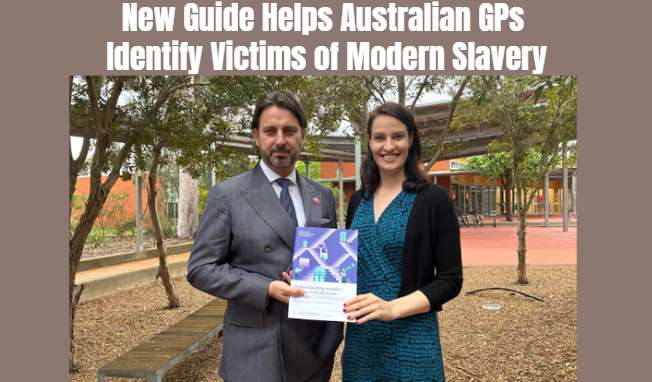
The guide was launched in Dubbo earlier this month and is expected to be distributed more widely across New South Wales. Although designed for the state's circumstances, its developers believe it could also help healthcare professionals in other parts of Australia.
The NSW Office of the Anti-slavery Commissioner estimates that around 16,400 people may be trapped in modern slavery in the state, with the national estimate reaching approximately 41,000. These figures highlight the potential scale of a problem that often remains hidden from public view.
The initiative aims to help healthcare workers recognise exploitation, offer safe support and connect affected people with specialist services. Its success will depend on professionals knowing the guide exists, understanding how to use it and having access to appropriate support pathways.
PeopleExploitationGuideHealthcareModern
Healthcare professionals across New South Wales are being given a new resource to help identify people who may be experiencing modern slavery, including forced labour, debt bondage and other forms of exploitation. The guide was developed with input from specialists and people who have survived modern slavery, with the aim of helping victims receive support earlier.
The resource recognises that modern slavery is not always easy to identify. Victims may not have physical restraints or obvious signs of abuse. Instead, they may be controlled through threats, manipulation, financial pressure, coercion or debts that they cannot realistically repay. Some people may not recognise that their circumstances amount to exploitation, while others may be too frightened to disclose what is happening.
The guide was informed by the experience of a survivor identified as Sarah, who escaped debt bondage six years ago after meeting a man who promised to help her establish a business. During the period when she was being exploited, she visited emergency departments, sexual health clinics and general practitioner practices. However, she said healthcare workers did not understand what was happening, and she did not feel safe or know how to explain her circumstances.
Sarah's experience demonstrates why healthcare settings can be important places for identifying exploitation. People experiencing abuse may seek medical attention for injuries, chronic pain, stress or mental health difficulties without telling anyone about the underlying cause. A doctor or nurse who recognises concerning patterns may be able to offer a safe opportunity for the person to disclose their situation.
The guide encourages healthcare workers to ask sensitive questions, build trust and respond without blaming or judging the patient. It also explains where professionals can seek advice and how they can direct people towards appropriate specialist services. The resource is not a mandatory reporting policy; instead, it is designed to improve recognition, communication and access to support.
NSW Anti-slavery Commissioner James Cockayne said the mechanisms used to control victims can be difficult for outsiders to recognise. Exploitation may be hidden behind employment arrangements, contracts, financial obligations or relationships that appear ordinary. A person may seem free to leave while facing threats, intimidation or circumstances that make leaving extremely difficult.
The Royal Australian College of General Practitioners contributed to the development of the resource. Jennifer Neil, deputy chair of its Specific Interest Group in Abuse and Violence in Families, said modern slavery can have serious physical and psychological consequences. General practitioners may be particularly well placed to identify warning signs because they often see patients repeatedly and can notice changes over time.
Possible warning signs include another person dominating conversations during appointments, answering questions on behalf of the patient, or a patient describing persistent debts and repayment obligations. Such signs do not automatically prove exploitation, but they may indicate that a private, sensitive conversation is needed.
The guide was launched in Dubbo earlier this month and is expected to be distributed more widely across New South Wales. Although designed for the state's circumstances, its developers believe it could also help healthcare professionals in other parts of Australia.
The NSW Office of the Anti-slavery Commissioner estimates that around 16,400 people may be trapped in modern slavery in the state, with the national estimate reaching approximately 41,000. These figures highlight the potential scale of a problem that often remains hidden from public view.
The initiative aims to help healthcare workers recognise exploitation, offer safe support and connect affected people with specialist services. Its success will depend on professionals knowing the guide exists, understanding how to use it and having access to appropriate support pathways.
The Northern Territory government plans to introduce legislation requiring future operators of Darwin Private Hospital to provide private maternity serv...
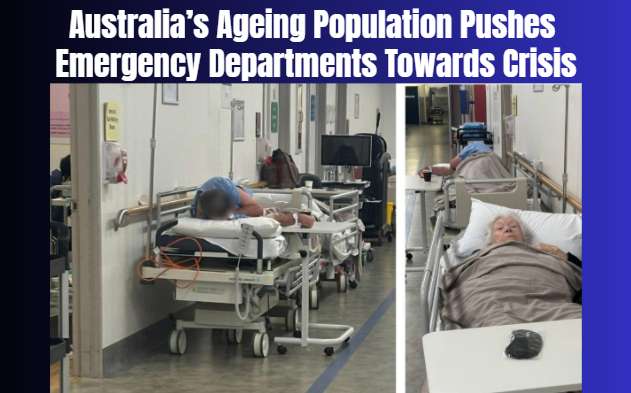
Emergency doctors warn that hospitals are struggling to accommodate older patients, with longer waits for inpatient beds, overcrowding and gaps in aged...
New government analysis estimates that 78,000 Australians aged 65 and over could leave private health insurance by 2030 if proposed changes to the rebat...
Queensland recorded 4,110 accepted mental injury compensation claims in the latest financial year, a 108 per cent increase since 2021–22, raising questi...
Emergency services have located a body during a search in the Royal National Park near Engadine. Police believe it may be a 23-year-old man reported mis...
Rugby league player Seriah Palepale has received a community-based sentence after a high-speed police pursuit in south-west Sydney, following guilty ple...
Queensland police are investigating the death of a 48-year-old man whose body was found in bushland near the location where two dogs seriously injured a...
Australian Greens leader David Shoebridge says Senator Jordon Steele-John should take personal leave while an independent investigation examines allegat...
Questions are growing over the collapse of the Whyalla steelworks, as the billionaire-backed company involved rejects responsibility for the facility’s...
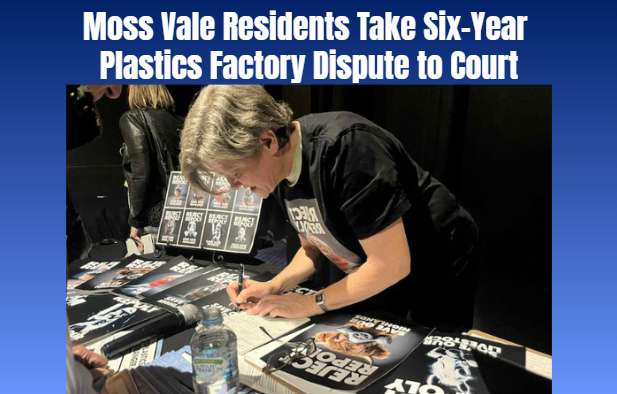
Hundreds of residents have gathered as a developer challenges the rejection of a proposed plastics recycling factory, with local families describing yea...