Moss Vale Residents Take Six-Year Plastics Factory Dispute to Court
By Chloe · Published 19 Oct 2026 · Updated 19 Oct 2026
Moss Vale, NSW
Safety note: Admin approval is an initial review, not a guarantee that every detail is correct. Check important or urgent claims with official sources and report anything inaccurate or unsafe.
Source and credit: Contributor's own report
Moss Vale Residents Take Six-Year Plastics Factory Dispute to Court - Moss Vale, NSW
Smart summary
Hundreds of residents have gathered as a developer challenges the rejection of a proposed plastics recycling factory, with local families describing years of stress and uncertainty.
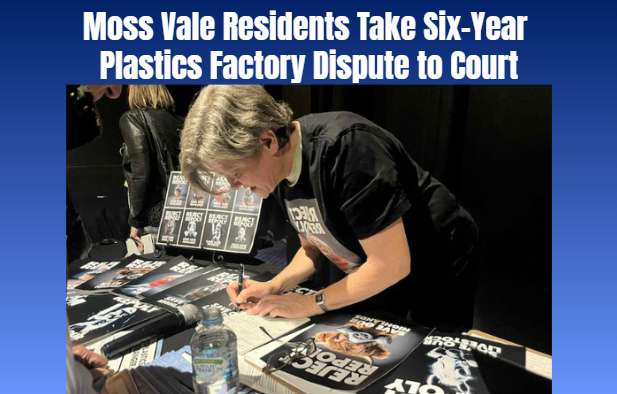
Residents of Moss Vale in New South Wales have told a court about the personal toll of a six-year dispute over a proposed plastics recycling factory. The hearing began on 19 October 2026 in the NSW Land and Environment Court, as developer Repoly appealed the rejection of its proposed facility. Hundreds of local residents gathered at the site to follow the proceedings.
The proposed factory, planned for Beaconsfield Road, would process up to 120,000 tonnes of mixed plastic waste each year. The developer says the facility could help Australia recycle more plastic, produce useful materials and support local manufacturing. However, nearby residents and Wingecarribee Shire Council have raised concerns about whether the location is appropriate for a project of this size.
The Independent Planning Commission rejected the proposal in January 2025, citing concerns that included fire risks and the suitability of the site. Repoly has since amended its plans and is seeking approval through the court appeal process. Changes reportedly include moving a building farther from neighbouring homes and arranging for process wastewater to be transported off-site for disposal.
During the opening day of the hearing, eight residents gave evidence about how the prolonged uncertainty had affected their lives. Jean McKern, who lives immediately beside the proposed site, told the court that the dispute had overshadowed her retirement. She described concerns about noise, lighting, pollution and fire risks, along with disrupted sleep and growing anxiety.
Other residents also described the emotional and financial consequences of waiting for a final decision. Some said the uncertainty had affected their retirement plans and their ability to feel settled in their homes. The dispute has continued through planning changes, deadlines and legal proceedings, leaving families unsure what may happen next.
Moss Vale mother Natalie Swainston raised concerns about the possible proximity of the facility to children’s outdoor activities and childcare. She told the court she worried about the potential impact if the factory operated less than a kilometre from places where children play. Her evidence reflected broader questions about how industrial developments should be assessed when homes, schools and other sensitive locations are nearby.
Palliative care doctor Jacqueline Duc also spoke about health concerns and the psychological pressure experienced by local families. She called for a precautionary approach, arguing that possible environmental impacts should be carefully considered before a project proceeds. Concerns raised by residents include potential microplastic pollution and the risk of fire.
Repoly maintains that the proposed facility can meet environmental requirements and contribute to Australia’s recycling capacity. Its appeal means the court must consider the amended proposal and the planning issues raised by the parties. The concerns expressed by residents are part of the evidence and do not, by themselves, establish that the facility would cause harm.
The dispute illustrates the challenge of balancing the need for better waste management and recycling infrastructure against community concerns about industrial development. Australia generates substantial amounts of plastic waste, and recycling facilities may play a role in reducing the volume sent to landfill. However, their location, design, environmental safeguards and effects on neighbouring communities remain important planning considerations.
The court hearing is scheduled to continue for another nine days. Wingecarribee Shire Council has arranged live-stream access at the Moss Vale Civic Centre from Tuesday so residents who cannot attend in person can follow the proceedings.
No final decision had been announced at the time of the report. The appeal will determine whether the amended project can proceed, while residents continue to seek clarity about the future of their neighbourhood.
ResidentsConcernsCourtDisputeFacility
Residents of Moss Vale in New South Wales have told a court about the personal toll of a six-year dispute over a proposed plastics recycling factory. The hearing began on 19 October 2026 in the NSW Land and Environment Court, as developer Repoly appealed the rejection of its proposed facility. Hundreds of local residents gathered at the site to follow the proceedings.
The proposed factory, planned for Beaconsfield Road, would process up to 120,000 tonnes of mixed plastic waste each year. The developer says the facility could help Australia recycle more plastic, produce useful materials and support local manufacturing. However, nearby residents and Wingecarribee Shire Council have raised concerns about whether the location is appropriate for a project of this size.
The Independent Planning Commission rejected the proposal in January 2025, citing concerns that included fire risks and the suitability of the site. Repoly has since amended its plans and is seeking approval through the court appeal process. Changes reportedly include moving a building farther from neighbouring homes and arranging for process wastewater to be transported off-site for disposal.
During the opening day of the hearing, eight residents gave evidence about how the prolonged uncertainty had affected their lives. Jean McKern, who lives immediately beside the proposed site, told the court that the dispute had overshadowed her retirement. She described concerns about noise, lighting, pollution and fire risks, along with disrupted sleep and growing anxiety.
Other residents also described the emotional and financial consequences of waiting for a final decision. Some said the uncertainty had affected their retirement plans and their ability to feel settled in their homes. The dispute has continued through planning changes, deadlines and legal proceedings, leaving families unsure what may happen next.
Moss Vale mother Natalie Swainston raised concerns about the possible proximity of the facility to children’s outdoor activities and childcare. She told the court she worried about the potential impact if the factory operated less than a kilometre from places where children play. Her evidence reflected broader questions about how industrial developments should be assessed when homes, schools and other sensitive locations are nearby.
Palliative care doctor Jacqueline Duc also spoke about health concerns and the psychological pressure experienced by local families. She called for a precautionary approach, arguing that possible environmental impacts should be carefully considered before a project proceeds. Concerns raised by residents include potential microplastic pollution and the risk of fire.
Repoly maintains that the proposed facility can meet environmental requirements and contribute to Australia’s recycling capacity. Its appeal means the court must consider the amended proposal and the planning issues raised by the parties. The concerns expressed by residents are part of the evidence and do not, by themselves, establish that the facility would cause harm.
The dispute illustrates the challenge of balancing the need for better waste management and recycling infrastructure against community concerns about industrial development. Australia generates substantial amounts of plastic waste, and recycling facilities may play a role in reducing the volume sent to landfill. However, their location, design, environmental safeguards and effects on neighbouring communities remain important planning considerations.
The court hearing is scheduled to continue for another nine days. Wingecarribee Shire Council has arranged live-stream access at the Moss Vale Civic Centre from Tuesday so residents who cannot attend in person can follow the proceedings.
No final decision had been announced at the time of the report. The appeal will determine whether the amended project can proceed, while residents continue to seek clarity about the future of their neighbourhood.
Queensland police are investigating the death of a 48-year-old man whose body was found in bushland near the location where two dogs seriously injured a...
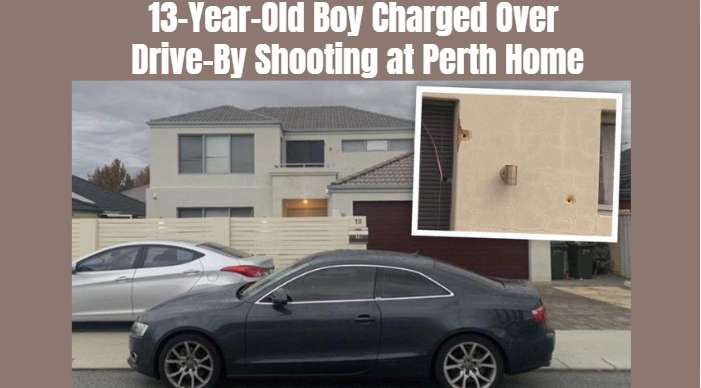
A teenager has been charged after multiple shots were fired at a house in Perth’s eastern suburbs. Three people were inside the property, but no injurie...
An Australian Defence Force member has been identified as a person of interest after a recording device was discovered aboard a Navy vessel docked in Ca...
A 32-year-old man has been charged with seven offences following an investigation into reports of an armed man in a stolen vehicle that was allegedly se...
New South Wales health authorities have warned about the risks of unapproved peptide products after monthly emergency department presentations linked to...
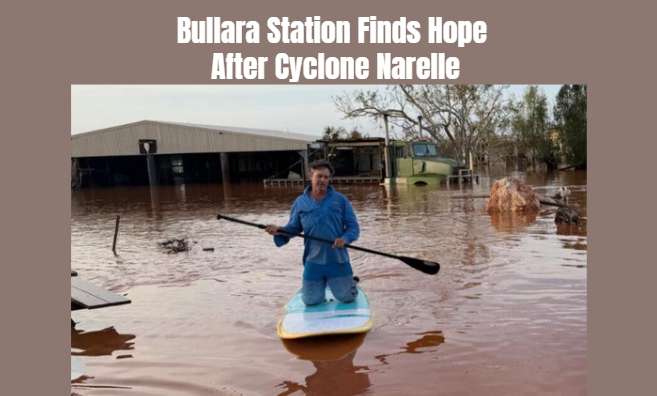
A remote Western Australian station is looking for positives after Cyclone Narelle brought damaging weather, highlighting the resilience of regional com...
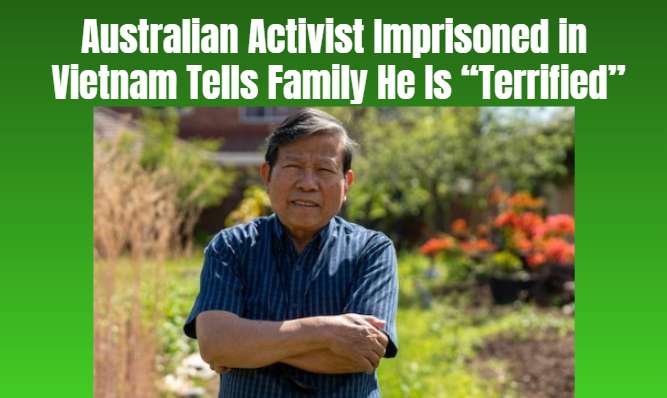
An Australian activist detained in Vietnam has reportedly told his family that he is frightened, renewing concerns about his welfare and circumstances i...
New South Wales health authorities have warned about the risks of unapproved peptide products after monthly emergency department presentations linked to...
Queensland police are investigating the death of a 48-year-old man whose body was found in bushland near the location where two dogs seriously injured a...
Australian Greens leader David Shoebridge says Senator Jordon Steele-John should take personal leave while an independent investigation examines allegat...
Questions are growing over the collapse of the Whyalla steelworks, as the billionaire-backed company involved rejects responsibility for the facility’s...