Safety note: Admin approval is an initial review, not a guarantee that every detail is correct. Check important or urgent claims with official sources and report anything inaccurate or unsafe.
Source and credit: Contributor's own report
Nearly 80,000 Older Australians Could Drop Private Health Cover Under Proposed Changes - Canberra, ACT
Smart summary
New government analysis estimates that 78,000 Australians aged 65 and over could leave private health insurance by 2030 if proposed changes to the rebate proceed.
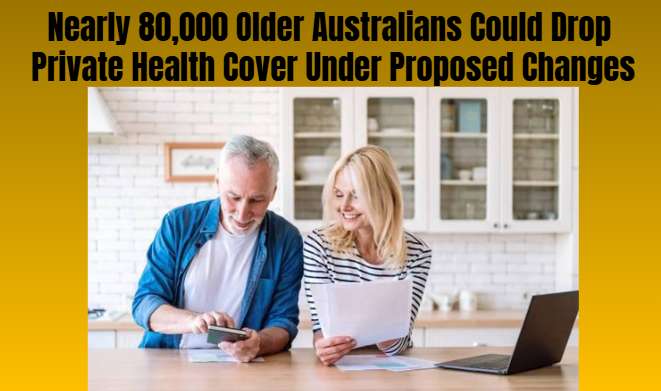
Nearly 80,000 Australians aged 65 and over could abandon their private health insurance by 2030 if the federal government's proposed changes to insurance rebates proceed, according to newly disclosed Health Department analysis published on Monday, 12 October 2026.
The estimate suggests that the number of older Australians expected to leave private health cover could reach approximately 78,000 by 2029–30. This is substantially higher than the figure of 44,000 that the government has repeatedly cited when explaining the proposed policy.
The changes would reduce the additional private health insurance rebate available to Australians aged 65 and over. The government expects the measure to generate approximately A$3 billion in savings, which it says would be redirected towards aged care services, including additional care beds and support packages.
The newly reported figures have intensified debate over the policy's potential effects on older people, particularly pensioners and households living on fixed incomes. Private health insurance can help cover hospital treatment and other eligible medical services, but premiums have become a significant expense for many Australian households.
According to the analysis, the estimated reduction in membership would rise over time. While approximately 44,000 older Australians are forecast to drop their cover in 2028–29, the number is expected to increase to 78,000 in the following financial year.
The Health Department has explained that the lower figure represents the policy's initial effect at a particular point in time. It has also cautioned that projections are uncertain because they rely on historical information and assumptions about how consumers might respond to the changes.
The Coalition has criticised the government over the difference between the two estimates. Opposition health spokesperson Anne Ruston argued that older Australians needed clear information about the potential consequences before the policy could proceed.
The proposal has also attracted opposition from aged care advocates, private health insurance representatives and state and territory governments. Critics have warned that if more older people leave private insurance, some may rely more heavily on the public hospital system, potentially increasing pressure on already stretched services.
However, supporters of the changes argue that reducing the additional rebate would allow taxpayer funding to be directed towards aged care, where demand for residential places and in-home support continues to grow. Some health policy experts have argued that the effect on public hospitals could be limited.
The legislation faces an uncertain path through Parliament. The Coalition has indicated that it will oppose the proposal in the Senate, meaning the government needs support from other parties to secure passage. The Greens have said they will not support the legislation in its current form and are considering possible amendments, including exemptions for pensioners. Independent representatives have also called for the proposal to be reconsidered.
The government maintains that its objective is to make private health insurance rebates fairer and direct public money towards aged care priorities. For older Australians, the final outcome could influence the cost of maintaining private cover and the choices available when planning for future healthcare needs.
The legislation has not yet become law. The projected membership figures describe a possible outcome rather than a confirmed number of people who will leave their insurance. The eventual impact will depend on the final policy, parliamentary decisions and how households respond to any changes.
HealthPrivateInsuranceAustraliansOlder
Nearly 80,000 Australians aged 65 and over could abandon their private health insurance by 2030 if the federal government's proposed changes to insurance rebates proceed, according to newly disclosed Health Department analysis published on Monday, 12 October 2026.
The estimate suggests that the number of older Australians expected to leave private health cover could reach approximately 78,000 by 2029–30. This is substantially higher than the figure of 44,000 that the government has repeatedly cited when explaining the proposed policy.
The changes would reduce the additional private health insurance rebate available to Australians aged 65 and over. The government expects the measure to generate approximately A$3 billion in savings, which it says would be redirected towards aged care services, including additional care beds and support packages.
The newly reported figures have intensified debate over the policy's potential effects on older people, particularly pensioners and households living on fixed incomes. Private health insurance can help cover hospital treatment and other eligible medical services, but premiums have become a significant expense for many Australian households.
According to the analysis, the estimated reduction in membership would rise over time. While approximately 44,000 older Australians are forecast to drop their cover in 2028–29, the number is expected to increase to 78,000 in the following financial year.
The Health Department has explained that the lower figure represents the policy's initial effect at a particular point in time. It has also cautioned that projections are uncertain because they rely on historical information and assumptions about how consumers might respond to the changes.
The Coalition has criticised the government over the difference between the two estimates. Opposition health spokesperson Anne Ruston argued that older Australians needed clear information about the potential consequences before the policy could proceed.
The proposal has also attracted opposition from aged care advocates, private health insurance representatives and state and territory governments. Critics have warned that if more older people leave private insurance, some may rely more heavily on the public hospital system, potentially increasing pressure on already stretched services.
However, supporters of the changes argue that reducing the additional rebate would allow taxpayer funding to be directed towards aged care, where demand for residential places and in-home support continues to grow. Some health policy experts have argued that the effect on public hospitals could be limited.
The legislation faces an uncertain path through Parliament. The Coalition has indicated that it will oppose the proposal in the Senate, meaning the government needs support from other parties to secure passage. The Greens have said they will not support the legislation in its current form and are considering possible amendments, including exemptions for pensioners. Independent representatives have also called for the proposal to be reconsidered.
The government maintains that its objective is to make private health insurance rebates fairer and direct public money towards aged care priorities. For older Australians, the final outcome could influence the cost of maintaining private cover and the choices available when planning for future healthcare needs.
The legislation has not yet become law. The projected membership figures describe a possible outcome rather than a confirmed number of people who will leave their insurance. The eventual impact will depend on the final policy, parliamentary decisions and how households respond to any changes.
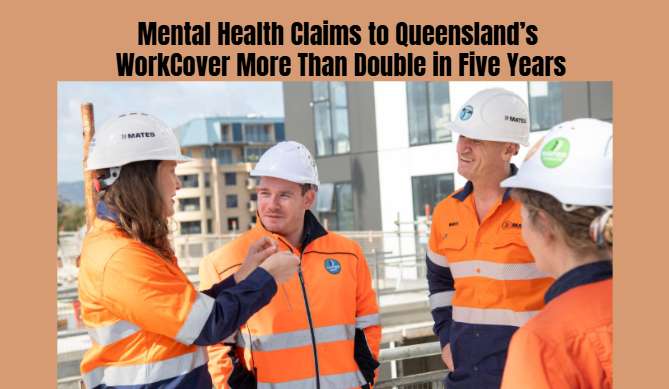
Queensland recorded 4,110 accepted mental injury compensation claims in the latest financial year, a 108 per cent increase since 2021–22, raising questi...
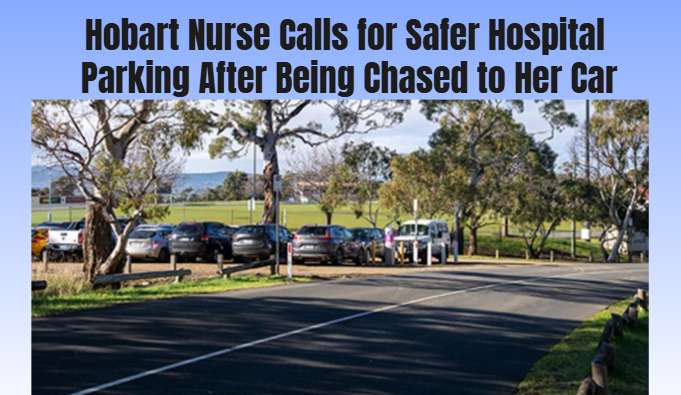
A Royal Hobart Hospital nurse says she was left shaken after a group of young men chased and yelled at her as she walked to her car after a late shift....
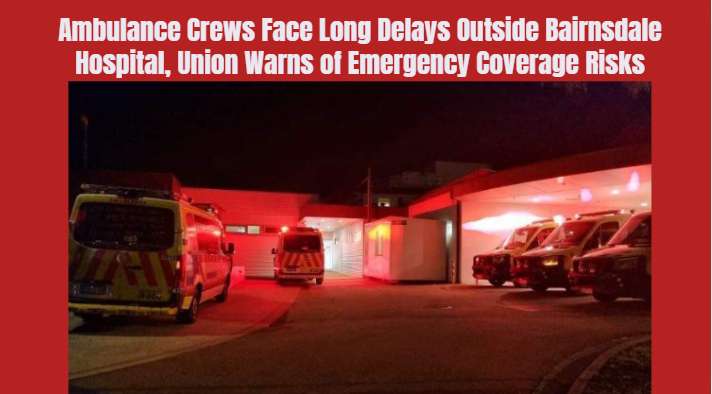
Ambulance crews in Bairnsdale have reportedly spent several hours waiting to transfer patients into hospital care, prompting concerns from the Victorian...
Labor drops a controversial ministerial-power provision as proposed digital safety legislation advances, while the Greens demand stronger protections ag...
Energy Minister Chris Bowen says Australia will maintain its approach of preventing Russian fuel from entering the country, while reporting that 51 fuel...
Energy Minister Chris Bowen says Australia will maintain its approach of preventing Russian fuel from entering the country, while reporting that 51 fuel...
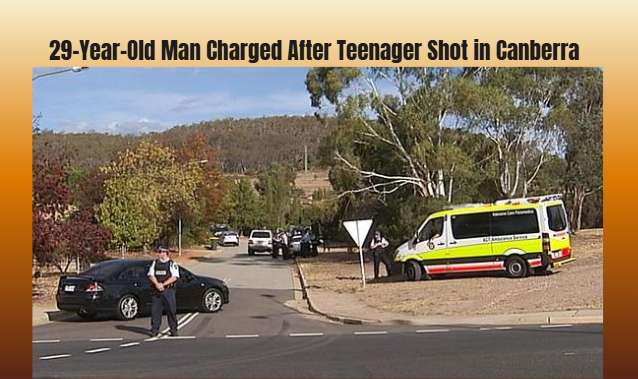
A teenager suffered serious injuries after a passenger in a car was allegedly shot at in Canberra’s south. A 29-year-old man has been charged, police say.
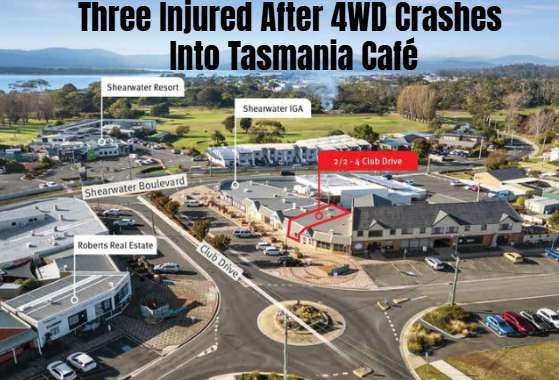
Two people were seriously injured when a four-wheel-drive vehicle crashed through the front of a café in Shearwater, near Devonport. Police are investig...
Adelaide runner Izzi Batt-Doyle clocked 2 hours, 20 minutes and 38 seconds to set a new Australian women’s marathon record, finishing sixth in the Chica...
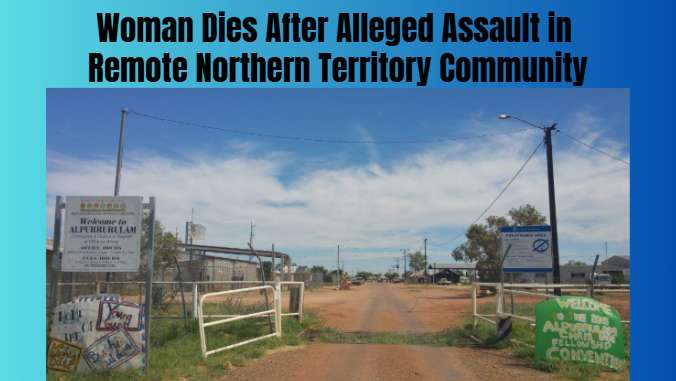
Police are investigating a suspicious death in Alpurrurulam, near the Queensland border, as detectives and forensic officers travel to the remote commun...
Queensland Rail reopened the affected tracks early Monday after a freight train derailed near Marlborough, while rail safety investigators examine the c...