Safety note: Admin approval is an initial review, not a guarantee that every detail is correct. Check important or urgent claims with official sources and report anything inaccurate or unsafe.
Source and credit: Contributor's own report
Hobart Nurse Calls for Safer Hospital Parking After Being Chased to Her Car - Hobart, TAS
Smart summary
A Royal Hobart Hospital nurse says she was left shaken after a group of young men chased and yelled at her as she walked to her car after a late shift. The incident has renewed calls for safer, affordable parking for...
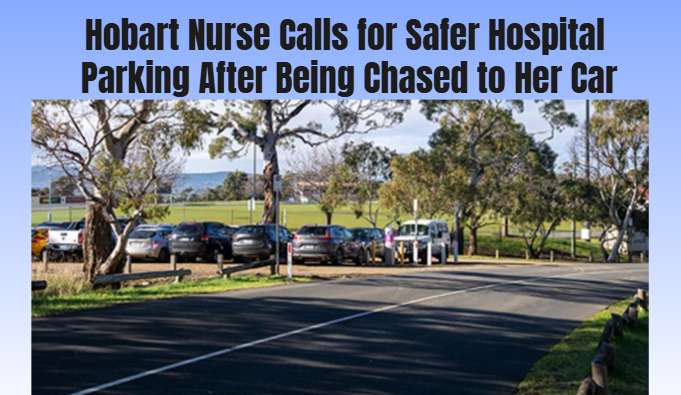
A nurse at Royal Hobart Hospital in Tasmania is calling for improved parking and security for healthcare workers after she was chased by a group of young men while walking to her vehicle following a late-night shift.
nurse Audrey McAllister finished work shortly after 11pm on Monday and began walking towards her car, which was parked at Queens Domain, around one kilometre from the hospital. As she walked through the area, a group of approximately seven young men began yelling at her and chasing her.
McAllister ran to her vehicle, locked the doors and contacted police. She was not physically injured, but said the incident had left her shaken and reluctant to park in the area again. She said she would consider using a paid city car park instead, despite the additional expense.
The incident has highlighted concerns about the limited parking options available to nurses, midwives and other hospital employees who work late shifts. Royal Hobart Hospital is centrally located in the city's business district, but nearby parking can be difficult to access, particularly outside standard business hours.
Queens Domain is used by some workers seeking to avoid expensive city parking fees. However, parts of the area are poorly lit and surrounded by bushland, creating concerns for people walking alone at night.
The Australian Nursing and Midwifery Federation's Tasmanian branch has called for better protection for staff travelling between the hospital and their vehicles. Branch secretary Emily Shepherd said the union was concerned that harassment and threatening behaviour could lead to a more serious incident if practical measures were not introduced.
Among the union's proposals are a shuttle service for workers finishing late shifts, security escorts to parking areas and improved facilities for staff who cycle to work. The union has also raised the issue of safer, affordable parking during workplace agreement negotiations.
McAllister said dedicated parking arrangements or discounted rates for healthcare workers would help reduce the financial burden on employees who regularly work overnight. She also noted that colleagues had raised concerns about harassment and safety in other parking areas.
The Tasmanian Government said violence and threatening behaviour towards healthcare staff was unacceptable, including when workers were travelling to or from their workplace. A government spokesperson confirmed that occupational-violence prevention risk assessments were being undertaken at hospital entrances.
The issue has raised wider questions about how hospitals can protect workers beyond their immediate clinical workplaces. Nurses and midwives frequently work late-night, overnight and early-morning shifts, when public transport and parking arrangements may be less convenient.
The union wants practical safety measures to be considered alongside parking access, so staff are not forced to choose between expensive parking and a potentially unsafe walk. The government has said it remains committed to discussions about nurses' working conditions.
The incident has not resulted in any reported physical injury to McAllister, but her experience has added urgency to calls for safer travel arrangements for healthcare workers.
ParkingHospitalWorkersWorkHealthcare
A nurse at Royal Hobart Hospital in Tasmania is calling for improved parking and security for healthcare workers after she was chased by a group of young men while walking to her vehicle following a late-night shift.
nurse Audrey McAllister finished work shortly after 11pm on Monday and began walking towards her car, which was parked at Queens Domain, around one kilometre from the hospital. As she walked through the area, a group of approximately seven young men began yelling at her and chasing her.
McAllister ran to her vehicle, locked the doors and contacted police. She was not physically injured, but said the incident had left her shaken and reluctant to park in the area again. She said she would consider using a paid city car park instead, despite the additional expense.
The incident has highlighted concerns about the limited parking options available to nurses, midwives and other hospital employees who work late shifts. Royal Hobart Hospital is centrally located in the city's business district, but nearby parking can be difficult to access, particularly outside standard business hours.
Queens Domain is used by some workers seeking to avoid expensive city parking fees. However, parts of the area are poorly lit and surrounded by bushland, creating concerns for people walking alone at night.
The Australian Nursing and Midwifery Federation's Tasmanian branch has called for better protection for staff travelling between the hospital and their vehicles. Branch secretary Emily Shepherd said the union was concerned that harassment and threatening behaviour could lead to a more serious incident if practical measures were not introduced.
Among the union's proposals are a shuttle service for workers finishing late shifts, security escorts to parking areas and improved facilities for staff who cycle to work. The union has also raised the issue of safer, affordable parking during workplace agreement negotiations.
McAllister said dedicated parking arrangements or discounted rates for healthcare workers would help reduce the financial burden on employees who regularly work overnight. She also noted that colleagues had raised concerns about harassment and safety in other parking areas.
The Tasmanian Government said violence and threatening behaviour towards healthcare staff was unacceptable, including when workers were travelling to or from their workplace. A government spokesperson confirmed that occupational-violence prevention risk assessments were being undertaken at hospital entrances.
The issue has raised wider questions about how hospitals can protect workers beyond their immediate clinical workplaces. Nurses and midwives frequently work late-night, overnight and early-morning shifts, when public transport and parking arrangements may be less convenient.
The union wants practical safety measures to be considered alongside parking access, so staff are not forced to choose between expensive parking and a potentially unsafe walk. The government has said it remains committed to discussions about nurses' working conditions.
The incident has not resulted in any reported physical injury to McAllister, but her experience has added urgency to calls for safer travel arrangements for healthcare workers.
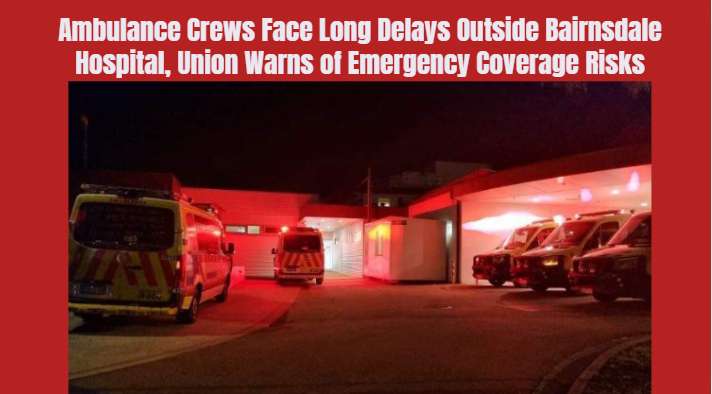
Ambulance crews in Bairnsdale have reportedly spent several hours waiting to transfer patients into hospital care, prompting concerns from the Victorian...
Central Coast New South Wales · Health News · 30 Sep 2026
Central Coast communities are set to receive more than $1.8 million in funding for health facility upgrades, with the money allocated to the Central Coast Local Health District...
A 44-year-old man has been charged after windows and doors were allegedly smashed at Tasmania’s Parliament House and a major Hobart entertainment venue.
The federal government will fund a temporary extension of credit card payments to the Australian Taxation Office, giving small businesses and taxpayers...
ACT Policing has identified two men and a teenager in an investigation into an alleged burglary and animal cruelty incident at a rural property near the...
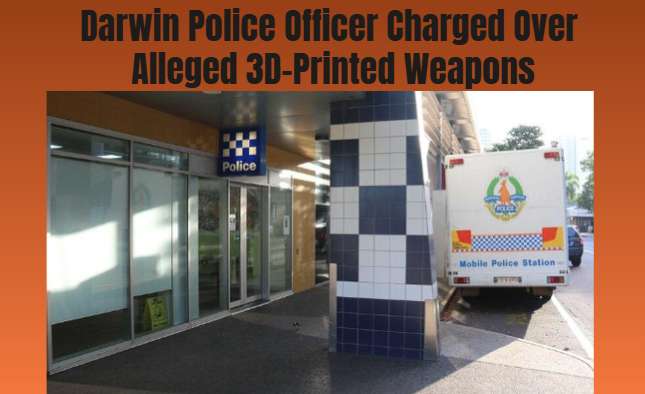
A probationary Northern Territory police constable has been charged with two alleged prohibited-weapon offences after officers reportedly found imitatio...
The planned opening of Broome’s multi-million-dollar Cable Beach foreshore redevelopment has been pushed back to 2027, leaving local residents and busin...