Safety note: Admin approval is an initial review, not a guarantee that every detail is correct. Check important or urgent claims with official sources and report anything inaccurate or unsafe.
Source and credit: Contributor's own report
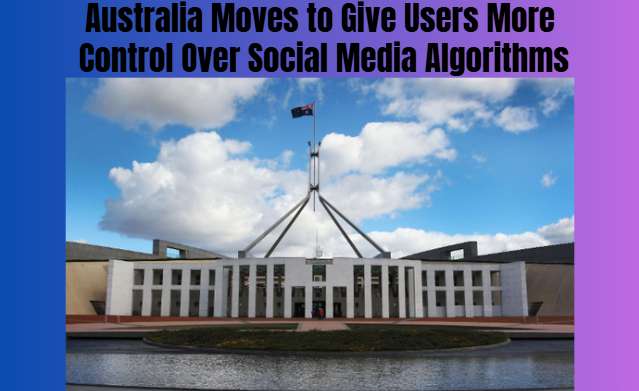
Australia Moves to Give Users More Control Over Social Media Algorithms - Canberra, ACT
Smart summary
Labor drops a controversial ministerial-power provision as proposed digital safety legislation advances, while the Greens demand stronger protections against online harm.
Australia's federal government is moving forward with proposed digital safety legislation designed to give users greater control over social media algorithms and strengthen protections against harmful online content.
The legislation, known as the Digital Duty of Care proposal, is part of a broader effort to make technology companies more accountable for the material accessible through their platforms. The proposal is being considered as Parliament resumes sitting in Canberra on Monday, 12 October 2026.
One of the most significant developments is Labor's decision to remove a controversial provision that would have allowed the communications minister to expand the categories of harm covered by the legislation through regulation. Under the revised approach, additional categories would need parliamentary approval rather than being added at the discretion of a single minister.
The change follows objections from both the Coalition and the Greens. Critics had raised concerns that broad ministerial powers could allow the government to influence what Australians are permitted to see or discuss online.
The proposed legislation would require social media companies and other covered digital services to take reasonable steps to reduce foreseeable harm. The planned protections include measures addressing pornography, bullying and material that glorifies crime or dangerous behaviour, particularly where children and teenagers are concerned.
Another important element is greater user control over algorithm-driven feeds. Algorithms determine which posts, videos and recommendations appear to users, often based on their activity and interests. Under the proposal, users aged over 16 would have tools to turn off algorithmically ranked content and exercise greater control over their feeds.
The Greens have indicated that removing the ministerial-discretion provision addresses one of their major concerns, but they are seeking further changes before committing their support. These include allowing Australians harmed by online content to take legal action against technology companies and seek compensation. The party has also called for tougher financial penalties, arguing that fixed fines may not be sufficient to change the behaviour of large international technology companies. Labor's proposal has included penalties exceeding A$100 million for certain failures to meet safety obligations.
The Coalition continues to oppose the legislation, arguing that its provisions could threaten freedom of expression and give regulators excessive influence over online activity. The government's challenge is to establish enforceable safety requirements while protecting legitimate debate and ensuring that regulatory powers are appropriately limited.
The bill's progress through Parliament remains subject to negotiations and the legislative process. Australians should therefore distinguish between the proposed changes and laws that have formally passed. If adopted, the measures could significantly affect how digital platforms manage harmful material and offer users choices about algorithmic recommendations. The final outcome will depend on parliamentary debate, amendments and the level of support secured by the government.
LegislationUsersCompaniesControlDigital
Australia's federal government is moving forward with proposed digital safety legislation designed to give users greater control over social media algorithms and strengthen protections against harmful online content.
The legislation, known as the Digital Duty of Care proposal, is part of a broader effort to make technology companies more accountable for the material accessible through their platforms. The proposal is being considered as Parliament resumes sitting in Canberra on Monday, 12 October 2026.
One of the most significant developments is Labor's decision to remove a controversial provision that would have allowed the communications minister to expand the categories of harm covered by the legislation through regulation. Under the revised approach, additional categories would need parliamentary approval rather than being added at the discretion of a single minister.
The change follows objections from both the Coalition and the Greens. Critics had raised concerns that broad ministerial powers could allow the government to influence what Australians are permitted to see or discuss online.
The proposed legislation would require social media companies and other covered digital services to take reasonable steps to reduce foreseeable harm. The planned protections include measures addressing pornography, bullying and material that glorifies crime or dangerous behaviour, particularly where children and teenagers are concerned.
Another important element is greater user control over algorithm-driven feeds. Algorithms determine which posts, videos and recommendations appear to users, often based on their activity and interests. Under the proposal, users aged over 16 would have tools to turn off algorithmically ranked content and exercise greater control over their feeds.
The Greens have indicated that removing the ministerial-discretion provision addresses one of their major concerns, but they are seeking further changes before committing their support. These include allowing Australians harmed by online content to take legal action against technology companies and seek compensation. The party has also called for tougher financial penalties, arguing that fixed fines may not be sufficient to change the behaviour of large international technology companies. Labor's proposal has included penalties exceeding A$100 million for certain failures to meet safety obligations.
The Coalition continues to oppose the legislation, arguing that its provisions could threaten freedom of expression and give regulators excessive influence over online activity. The government's challenge is to establish enforceable safety requirements while protecting legitimate debate and ensuring that regulatory powers are appropriately limited.
The bill's progress through Parliament remains subject to negotiations and the legislative process. Australians should therefore distinguish between the proposed changes and laws that have formally passed. If adopted, the measures could significantly affect how digital platforms manage harmful material and offer users choices about algorithmic recommendations. The final outcome will depend on parliamentary debate, amendments and the level of support secured by the government.
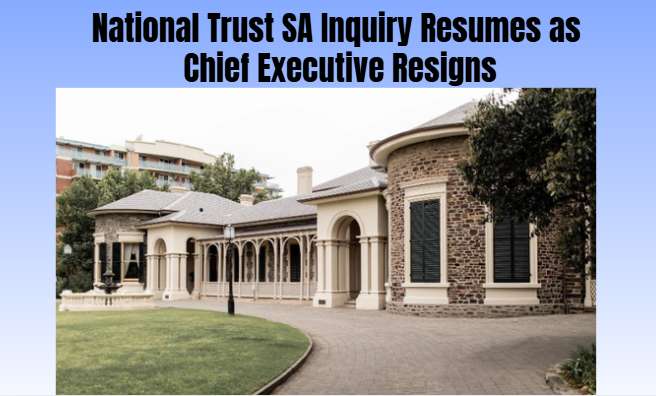
Nicolette Di Lernia steps down as a parliamentary inquiry examines governance, volunteer disputes and the management of South Australia's historic herit...
Darwin City Council plans to lead a business delegation to China and Vietnam in December, with approximately $18,000 in ratepayer funding drawing critic...
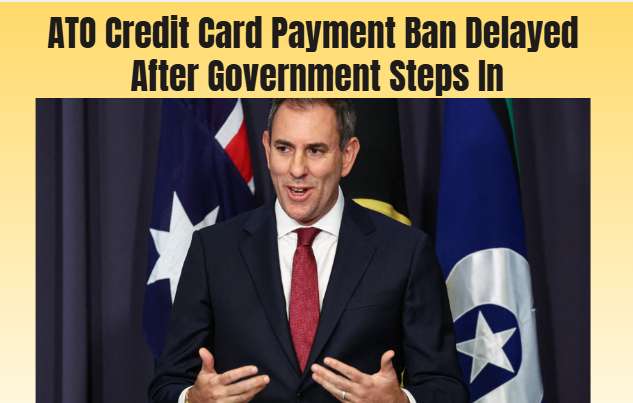
The federal government will fund a temporary extension of credit card payments to the Australian Taxation Office, giving small businesses and taxpayers...
The New South Wales government has taken control of the planning process for a proposed public plaza outside Sydney Town Hall, raising concerns that the...
New government analysis estimates that 78,000 Australians aged 65 and over could leave private health insurance by 2030 if proposed changes to the rebat...
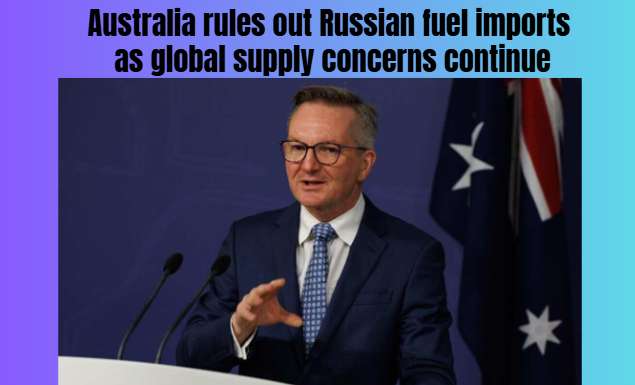
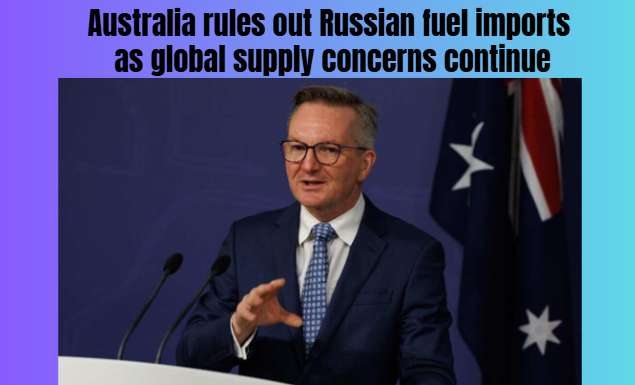
Energy Minister Chris Bowen says Australia will maintain its approach of preventing Russian fuel from entering the country, while reporting that 51 fuel...
Energy Minister Chris Bowen says Australia will maintain its approach of preventing Russian fuel from entering the country, while reporting that 51 fuel...
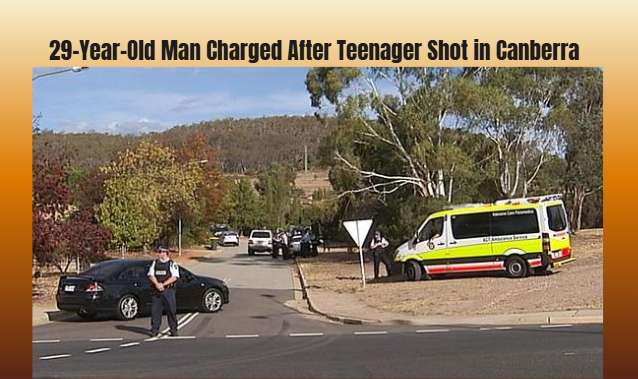
A teenager suffered serious injuries after a passenger in a car was allegedly shot at in Canberra’s south. A 29-year-old man has been charged, police say.
New government analysis estimates that 78,000 Australians aged 65 and over could leave private health insurance by 2030 if proposed changes to the rebat...
Nicolette Di Lernia steps down as a parliamentary inquiry examines governance, volunteer disputes and the management of South Australia's historic herit...
Buru Energy has referred its proposed Rafael conventional gas project for environmental assessment, with supporters citing regional energy security and...