Safety note: Admin approval is an initial review, not a guarantee that every detail is correct. Check important or urgent claims with official sources and report anything inaccurate or unsafe.
Source and credit: Contributor's own report
Kimberley Gas Project Faces Environmental Review Amid Fracking Concerns - Kimberley, WA
Smart summary
Buru Energy has referred its proposed Rafael conventional gas project for environmental assessment, with supporters citing regional energy security and environmental groups warning about possible future fracking.
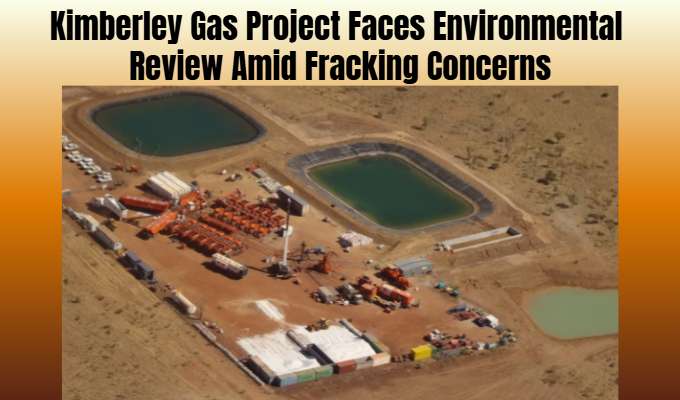
A proposed natural gas development in Western Australia's Kimberley region is facing environmental scrutiny after energy company Buru Energy referred its Rafael project to the state's Environmental Protection Authority for assessment.
The project is located in the Canning Basin, approximately 85 kilometres south of Derby. The company proposes to process conventional gas from two production wells at a dedicated facility, with the aim of supplying energy to the Kimberley and potentially other parts of northern Western Australia.
Buru Energy says the development could help reduce the region's reliance on energy transported from elsewhere. The Kimberley currently depends on supplies from sources outside the region, including other parts of Australia and international markets.
The company's executive chairman, David Maxwell, has argued that the Rafael project could strengthen regional energy security and provide a local source of gas and liquefied petroleum gas. According to the company, the proposed facility could produce up to 300 tonnes of liquefied natural gas per day, alongside other gas products.
Buru says this capacity could meet the Kimberley's gas requirements and potentially support demand in the northern Pilbara. The company hopes to begin producing gas by early 2029, subject to the necessary approvals and project development.
However, environmental advocates have raised concerns about the proposal's broader implications. Environs Kimberley, an environmental organisation campaigning to protect the region, has warned that the development could potentially encourage further unconventional gas exploration and hydraulic fracturing, commonly known as fracking.
Fracking involves injecting fluid under pressure into underground rock formations to release trapped gas. The technique has generated considerable debate in Western Australia because of concerns about groundwater, land use, environmental impacts and the long-term management of gas developments.
Environmental campaigners argue that expanding gas infrastructure could make future unconventional gas projects easier to pursue. They also contend that renewable energy, supported by battery storage, offers a cleaner long-term alternative for meeting the Kimberley's electricity needs.
Buru Energy has rejected suggestions that the Rafael proposal is a disguised fracking project. The company says its current application concerns conventional gas extraction and that any future proposal involving fracking would require a separate application and approval process.
The distinction between conventional gas extraction and hydraulic fracturing is central to the debate. While both involve natural gas, the extraction techniques and their potential environmental impacts differ.
The Western Australian Environmental Protection Authority's assessment will be an important step in determining how the proposal proceeds. The review will consider the project within the state's environmental assessment framework, although the final outcome and any conditions remain uncertain.
Buru Energy expects the authority to make a decision on the assessment process by the end of 2026. The project must still navigate the relevant regulatory requirements before development can proceed. The debate reflects a wider challenge facing regional Australia: balancing reliable and affordable energy supplies with environmental protection and the transition to renewable energy.
For Kimberley communities, the outcome could influence future energy planning, local infrastructure development and the direction of regional resource projects.
EnergyEnvironmentalKimberleyProjectCould
A proposed natural gas development in Western Australia's Kimberley region is facing environmental scrutiny after energy company Buru Energy referred its Rafael project to the state's Environmental Protection Authority for assessment.
The project is located in the Canning Basin, approximately 85 kilometres south of Derby. The company proposes to process conventional gas from two production wells at a dedicated facility, with the aim of supplying energy to the Kimberley and potentially other parts of northern Western Australia.
Buru Energy says the development could help reduce the region's reliance on energy transported from elsewhere. The Kimberley currently depends on supplies from sources outside the region, including other parts of Australia and international markets.
The company's executive chairman, David Maxwell, has argued that the Rafael project could strengthen regional energy security and provide a local source of gas and liquefied petroleum gas. According to the company, the proposed facility could produce up to 300 tonnes of liquefied natural gas per day, alongside other gas products.
Buru says this capacity could meet the Kimberley's gas requirements and potentially support demand in the northern Pilbara. The company hopes to begin producing gas by early 2029, subject to the necessary approvals and project development.
However, environmental advocates have raised concerns about the proposal's broader implications. Environs Kimberley, an environmental organisation campaigning to protect the region, has warned that the development could potentially encourage further unconventional gas exploration and hydraulic fracturing, commonly known as fracking.
Fracking involves injecting fluid under pressure into underground rock formations to release trapped gas. The technique has generated considerable debate in Western Australia because of concerns about groundwater, land use, environmental impacts and the long-term management of gas developments.
Environmental campaigners argue that expanding gas infrastructure could make future unconventional gas projects easier to pursue. They also contend that renewable energy, supported by battery storage, offers a cleaner long-term alternative for meeting the Kimberley's electricity needs.
Buru Energy has rejected suggestions that the Rafael proposal is a disguised fracking project. The company says its current application concerns conventional gas extraction and that any future proposal involving fracking would require a separate application and approval process.
The distinction between conventional gas extraction and hydraulic fracturing is central to the debate. While both involve natural gas, the extraction techniques and their potential environmental impacts differ.
The Western Australian Environmental Protection Authority's assessment will be an important step in determining how the proposal proceeds. The review will consider the project within the state's environmental assessment framework, although the final outcome and any conditions remain uncertain.
Buru Energy expects the authority to make a decision on the assessment process by the end of 2026. The project must still navigate the relevant regulatory requirements before development can proceed. The debate reflects a wider challenge facing regional Australia: balancing reliable and affordable energy supplies with environmental protection and the transition to renewable energy.
For Kimberley communities, the outcome could influence future energy planning, local infrastructure development and the direction of regional resource projects.
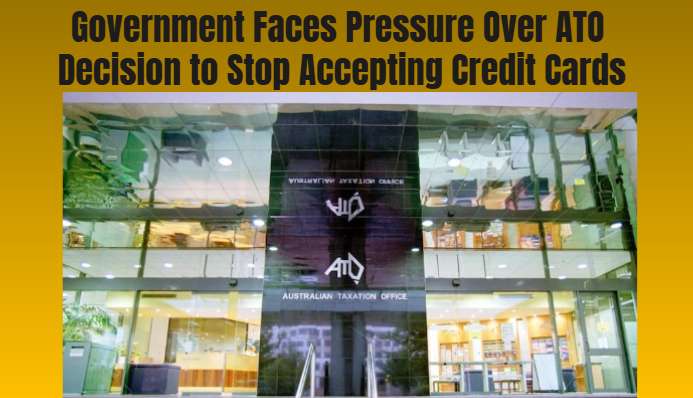
Small business groups and crossbench MPs are calling on the federal government to intervene after the Australian Taxation Office confirmed it will stop...
Darwin's Frontier Bar and Grill manager Aston Bell has received two industry awards, recognising her leadership, customer service and contribution to th...
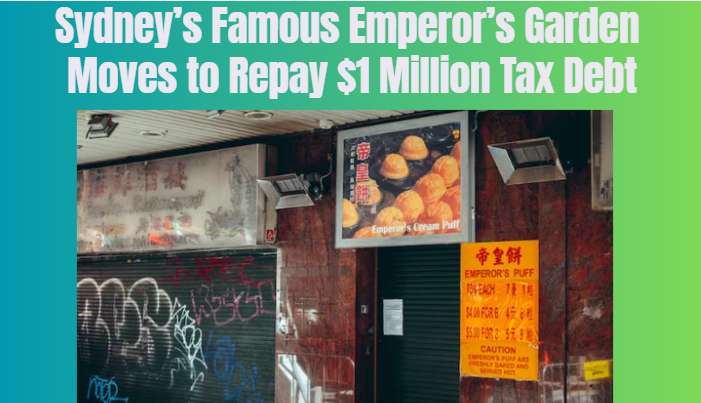
Sydney Chinatown institution Emperor’s Garden has reached an agreement to repay more than $1 million in tax debt, with discussions now underway about re...
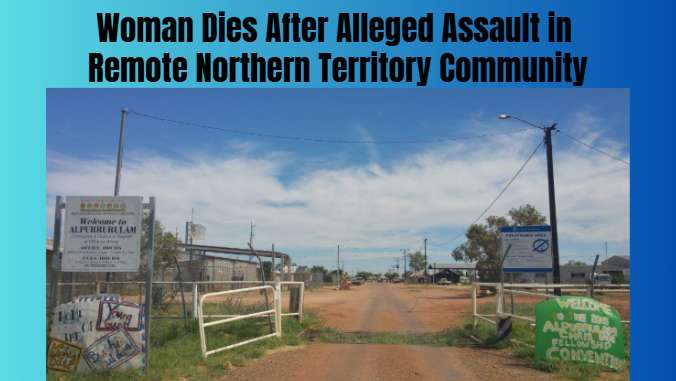
Police are investigating a suspicious death in Alpurrurulam, near the Queensland border, as detectives and forensic officers travel to the remote commun...
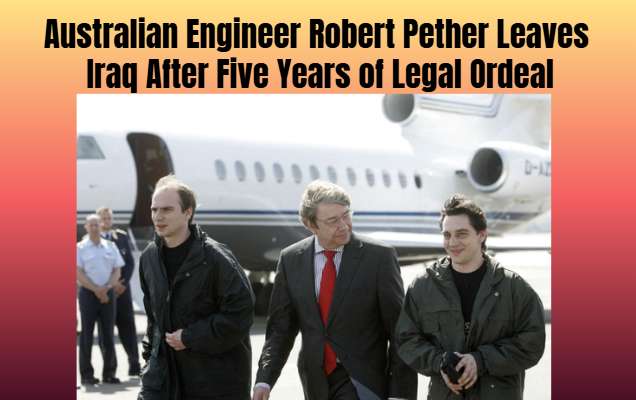
Robert Pether has been allowed to leave Iraq after years of imprisonment and travel restrictions, clearing the way for him to reunite with his family in...
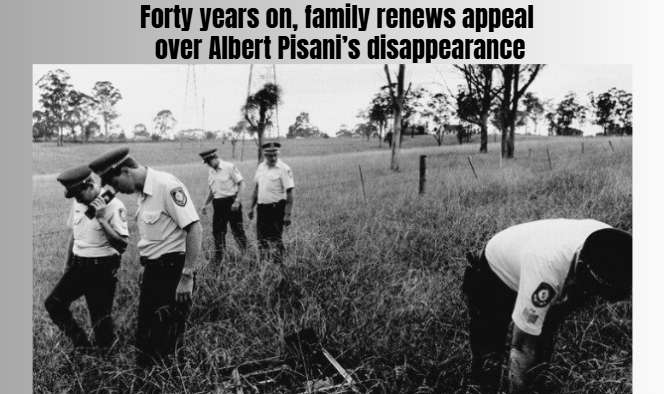
Victoria Police are renewing their appeal for information about the disappearance and suspected killing of Gippsland father Albert Pisani, whose remains...
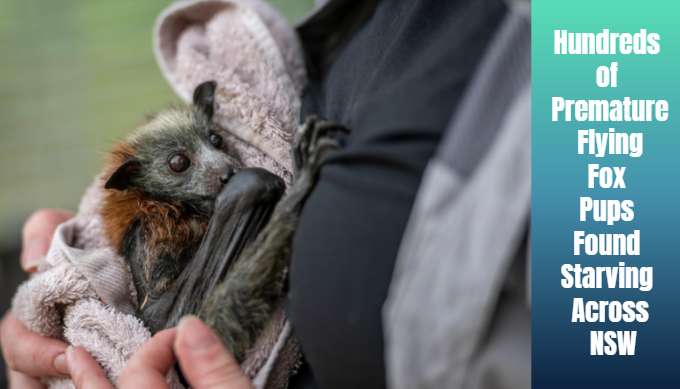
Wildlife rescuers are struggling to care for unusually large numbers of underweight baby flying foxes born prematurely, while the cause of the suspected...
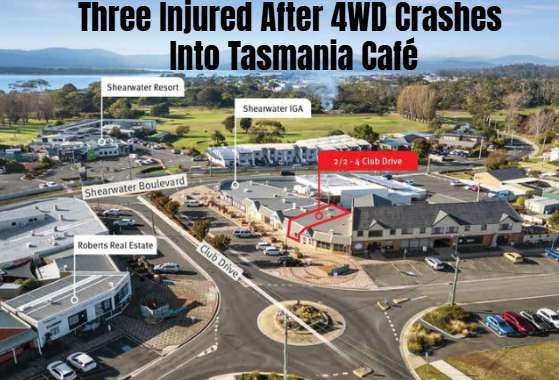
Two people were seriously injured when a four-wheel-drive vehicle crashed through the front of a café in Shearwater, near Devonport. Police are investig...
Adelaide runner Izzi Batt-Doyle clocked 2 hours, 20 minutes and 38 seconds to set a new Australian women’s marathon record, finishing sixth in the Chica...
Police are investigating a suspicious death in Alpurrurulam, near the Queensland border, as detectives and forensic officers travel to the remote commun...
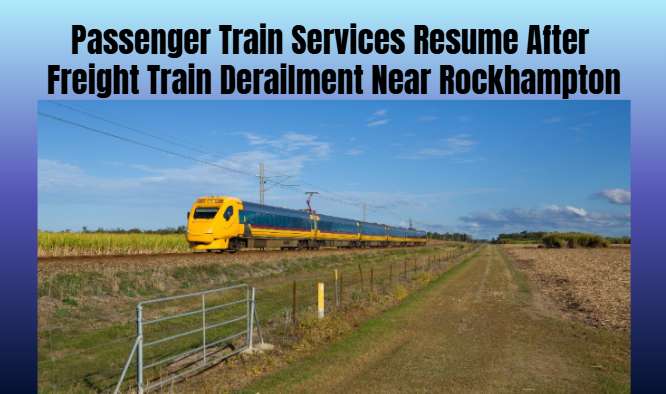
Queensland Rail reopened the affected tracks early Monday after a freight train derailed near Marlborough, while rail safety investigators examine the c...