Safety note: Admin approval is an initial review, not a guarantee that every detail is correct. Check important or urgent claims with official sources and report anything inaccurate or unsafe.
Source and credit: Contributor's own report
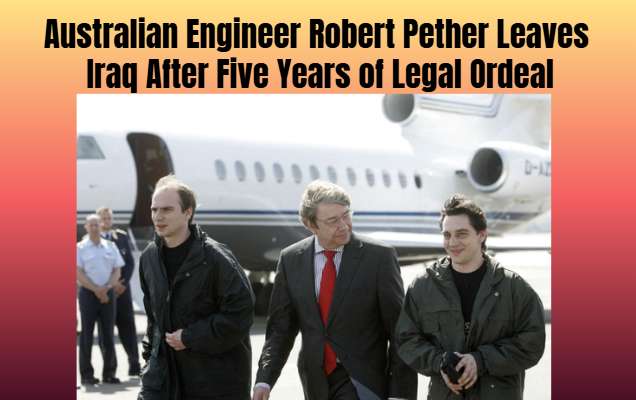
Australian Engineer Robert Pether Leaves Iraq After Five Years of Legal Ordeal - National, ACT
Smart summary
Robert Pether has been allowed to leave Iraq after years of imprisonment and travel restrictions, clearing the way for him to reunite with his family in Ireland.
Australian engineer Robert Pether has left Iraq after more than five years of legal uncertainty, bringing a significant development in a case that prompted sustained diplomatic efforts by the Australian government and concern from his family.
Foreign Minister Penny Wong confirmed on Monday, 12 October 2026, that Pether had departed Baghdad after Iraqi authorities lifted the restrictions that had prevented him from leaving the country. Pether, 51, was arrested in April 2021 alongside his Egyptian colleague while working on a project involving the construction of the new Central Bank of Iraq headquarters. The two men faced charges of deception connected to a commercial dispute involving the project.
Pether has consistently maintained his innocence. His family and legal representatives have argued that he became caught up in a wider dispute involving the construction contract and financial disagreements. In 2021, an Iraqi court sentenced Pether to five years in prison and imposed a substantial financial penalty. He remained behind bars for more than four years before being released from prison in June 2025. Although his release from prison brought some relief, it did not immediately allow him to return home. Travel restrictions remained in place, leaving him in Iraq while efforts continued to resolve the outstanding legal and administrative issues.
The Australian government repeatedly raised his case with Iraqi authorities and provided consular assistance to Pether and his family. Wong said the decision allowing him to leave followed years of diplomatic advocacy, including representations at senior government levels. The foreign minister also confirmed that she spoke with Pether shortly before his departure from Baghdad. She expressed relief at the outcome and wished him well as he prepared to reunite with his family and recover from the ordeal.
Pether's wife, Desree, welcomed the news and described the preceding months as extremely difficult. She said there had been numerous obstacles, including complications that continued almost until the final stages of his departure.
The family had previously expressed serious concerns about his physical and mental wellbeing during his imprisonment. His detention attracted international attention, including scrutiny of the legal proceedings and allegations of mistreatment.
A United Nations working group had previously raised concerns about the circumstances of his detention. Pether's case also prompted calls for stronger diplomatic support for Australians detained overseas and for greater attention to their legal rights and welfare.
The dispute originated in a major infrastructure project, but its consequences extended far beyond the commercial disagreement. Pether spent years separated from his family, while relatives and supporters worked to secure his release and eventual return.
His departure from Iraq marks an important step towards ending that separation. However, the immediate priority is his safe arrival and reunion with his family in Ireland, where he had lived before his arrest. The case highlights the difficulties governments can face when assisting citizens caught in foreign legal disputes. It also illustrates the difference between release from prison and obtaining permission to leave a country when travel restrictions remain in force.
For Pether and his family, the latest development offers the prospect of moving forward after years of uncertainty. The Australian government has acknowledged the work of officials involved in securing the outcome and the cooperation of Irish authorities.
His departure represents a major milestone in a prolonged case that drew attention to consular assistance, due process and the welfare of Australians detained abroad.
PetherFamilyLegalYearsCase
Australian engineer Robert Pether has left Iraq after more than five years of legal uncertainty, bringing a significant development in a case that prompted sustained diplomatic efforts by the Australian government and concern from his family.
Foreign Minister Penny Wong confirmed on Monday, 12 October 2026, that Pether had departed Baghdad after Iraqi authorities lifted the restrictions that had prevented him from leaving the country. Pether, 51, was arrested in April 2021 alongside his Egyptian colleague while working on a project involving the construction of the new Central Bank of Iraq headquarters. The two men faced charges of deception connected to a commercial dispute involving the project.
Pether has consistently maintained his innocence. His family and legal representatives have argued that he became caught up in a wider dispute involving the construction contract and financial disagreements. In 2021, an Iraqi court sentenced Pether to five years in prison and imposed a substantial financial penalty. He remained behind bars for more than four years before being released from prison in June 2025. Although his release from prison brought some relief, it did not immediately allow him to return home. Travel restrictions remained in place, leaving him in Iraq while efforts continued to resolve the outstanding legal and administrative issues.
The Australian government repeatedly raised his case with Iraqi authorities and provided consular assistance to Pether and his family. Wong said the decision allowing him to leave followed years of diplomatic advocacy, including representations at senior government levels. The foreign minister also confirmed that she spoke with Pether shortly before his departure from Baghdad. She expressed relief at the outcome and wished him well as he prepared to reunite with his family and recover from the ordeal.
Pether's wife, Desree, welcomed the news and described the preceding months as extremely difficult. She said there had been numerous obstacles, including complications that continued almost until the final stages of his departure.
The family had previously expressed serious concerns about his physical and mental wellbeing during his imprisonment. His detention attracted international attention, including scrutiny of the legal proceedings and allegations of mistreatment.
A United Nations working group had previously raised concerns about the circumstances of his detention. Pether's case also prompted calls for stronger diplomatic support for Australians detained overseas and for greater attention to their legal rights and welfare.
The dispute originated in a major infrastructure project, but its consequences extended far beyond the commercial disagreement. Pether spent years separated from his family, while relatives and supporters worked to secure his release and eventual return.
His departure from Iraq marks an important step towards ending that separation. However, the immediate priority is his safe arrival and reunion with his family in Ireland, where he had lived before his arrest. The case highlights the difficulties governments can face when assisting citizens caught in foreign legal disputes. It also illustrates the difference between release from prison and obtaining permission to leave a country when travel restrictions remain in force.
For Pether and his family, the latest development offers the prospect of moving forward after years of uncertainty. The Australian government has acknowledged the work of officials involved in securing the outcome and the cooperation of Irish authorities.
His departure represents a major milestone in a prolonged case that drew attention to consular assistance, due process and the welfare of Australians detained abroad.
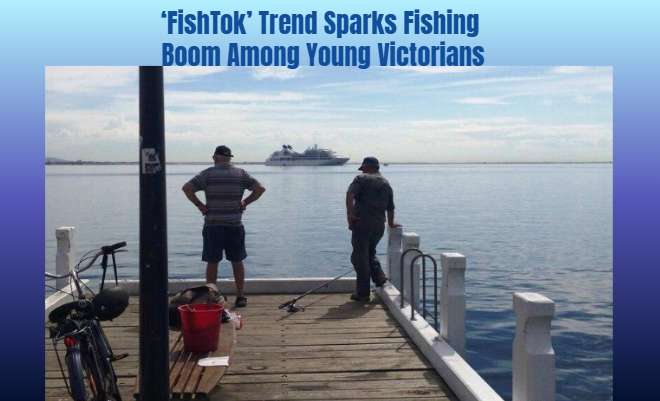
Social media, outdoor activities and a generation of young anglers are helping make recreational fishing popular again, but the industry is concerned ab...
Thirteen freshwater turtles rescued after a north-west New South Wales wetland dried out have been returned to their habitat. More than 250 eggs are als...
A woman has died following a serious three-vehicle collision involving a commercial bus and two cars in Glenburn, in Victoria’s Yarra Ranges, on Thursday, 24 September 2026. Eme...
A woman has died following a serious three-car collision in Leongatha, Victoria, on Wednesday afternoon, 23 September 2026. Emergency services were called to the Strzelecki High...
Emergency crews carried out a complex, hours-long rescue at a Grain Corp facility in Dunolly after a man in his 60s became trapped in grain. He was freed...
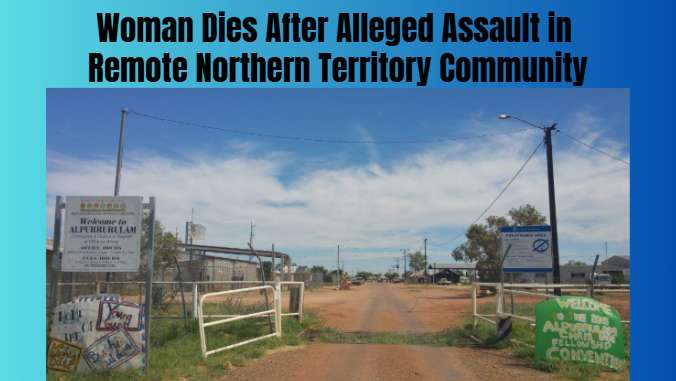
Police are investigating a suspicious death in Alpurrurulam, near the Queensland border, as detectives and forensic officers travel to the remote commun...
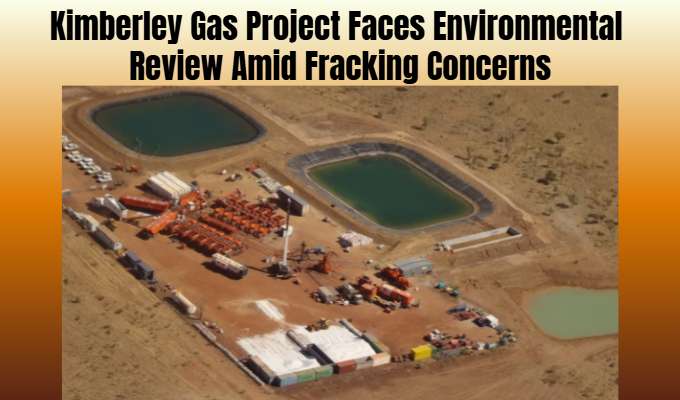
Buru Energy has referred its proposed Rafael conventional gas project for environmental assessment, with supporters citing regional energy security and...
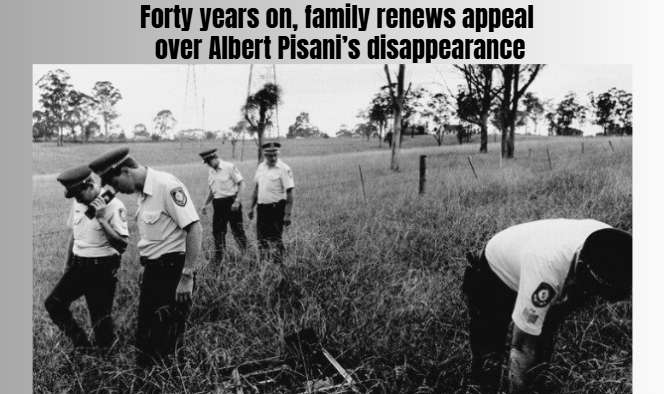
Victoria Police are renewing their appeal for information about the disappearance and suspected killing of Gippsland father Albert Pisani, whose remains...
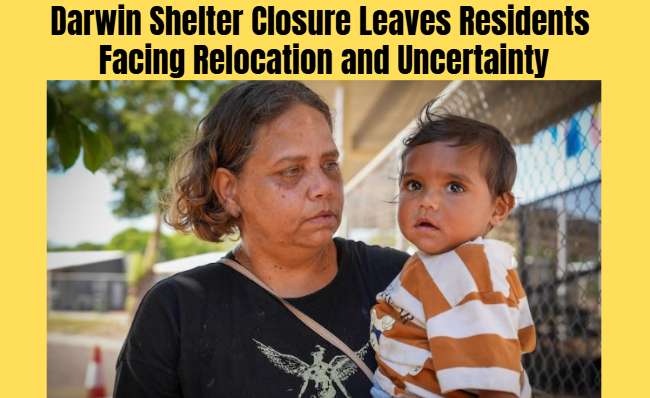
Residents of Darwin’s largest short-stay accommodation facility are facing relocation to Batchelor, around 100 kilometres away, amid concerns about acce...
Emergency crews carried out a complex, hours-long rescue at a Grain Corp facility in Dunolly after a man in his 60s became trapped in grain. He was freed...
Brisbane runner Nick Morrison completed the 42.2-kilometre Melbourne Marathon while pushing his 21-year-old cousin Toby Holt, who lives with juvenile Hu...
Two people were seriously injured when a four-wheel-drive vehicle crashed through the front of a café in Shearwater, near Devonport. Police are investig...