Safety note: Admin approval is an initial review, not a guarantee that every detail is correct. Check important or urgent claims with official sources and report anything inaccurate or unsafe.
Source and credit: Contributor's own report
Rescued Turtles Return to Rejuvenated NSW Wetland - Dubbo, NSW
Smart summary
Thirteen freshwater turtles rescued after a north-west New South Wales wetland dried out have been returned to their habitat. More than 250 eggs are also being incubated at Taronga Western Plains Zoo in Dubbo.
A wildlife conservation effort in north-west New South Wales has reached an encouraging milestone, with the first group of rescued freshwater turtles returning to Gingham Waterhole after months of rehabilitation. The development was reported by ABC News on 9 October 2026. ABC News
The turtles were rescued earlier this year when the waterhole in the Gwydir Wetlands near Moree dried out. As water levels fell, turtles burrowed deep into the mud to survive the harsh conditions. Thirty-nine turtles were rescued and transported to Taronga Western Plains Zoo in Dubbo, where specialist staff worked to restore their health.
In September, 13 turtles — ten broad-shelled turtles and three Murray River turtles — were released back into the wetland. Their return followed the restoration of water at Gingham Waterhole, allowing the area to begin recovering and providing suitable habitat for the reptiles.
At the zoo, the rescued turtles received health assessments and ongoing care. Many arrived covered in thick mud and needed to be cleaned and identified before keepers could monitor their recovery. Staff regularly checked their weight and condition and provided food to help them recover from the stress caused by the drying wetland.
The rehabilitation process also revealed an important opportunity to support the turtle population. Several female broad-shelled turtles were found to be carrying eggs when they arrived at the zoo. Keepers helped induce egg-laying and placed the eggs in an incubator. More than 250 eggs are now being cared for at the facility, with the aim of helping a new generation of turtles survive.
The hatchlings are expected to be returned to the wild by the end of next year, depending on their development and the condition of the wetland. Their survival could be particularly important because foxes and other introduced predators can dig up turtle nests and destroy eggs before they hatch.
The wetland's recovery follows the resumption of environmental water deliveries in late May. Water flows had been suspended earlier in the year amid concerns about flooding neighbouring private land. Authorities have since worked to restore the water while considering the needs of nearby landholders.
The NSW Department of Climate Change, Energy, the Environment and Water is progressively releasing the rehabilitated turtles as their health and local conditions allow. Officials are also working with landholders and an environmental water advisory group to plan future water deliveries, particularly as the region faces the possibility of another dry period.
The released turtles will not be individually tracked, but ecological monitoring is expected to help authorities assess the wetland's condition and guide future management decisions.
The return of the first 13 turtles marks a positive step for wildlife conservation, although the long-term recovery of the habitat and its turtle population will depend on reliable water conditions and continued protection.
TurtlesWaterWetlandRescuedEggs
A wildlife conservation effort in north-west New South Wales has reached an encouraging milestone, with the first group of rescued freshwater turtles returning to Gingham Waterhole after months of rehabilitation. The development was reported by ABC News on 9 October 2026. ABC News
The turtles were rescued earlier this year when the waterhole in the Gwydir Wetlands near Moree dried out. As water levels fell, turtles burrowed deep into the mud to survive the harsh conditions. Thirty-nine turtles were rescued and transported to Taronga Western Plains Zoo in Dubbo, where specialist staff worked to restore their health.
In September, 13 turtles — ten broad-shelled turtles and three Murray River turtles — were released back into the wetland. Their return followed the restoration of water at Gingham Waterhole, allowing the area to begin recovering and providing suitable habitat for the reptiles.
At the zoo, the rescued turtles received health assessments and ongoing care. Many arrived covered in thick mud and needed to be cleaned and identified before keepers could monitor their recovery. Staff regularly checked their weight and condition and provided food to help them recover from the stress caused by the drying wetland.
The rehabilitation process also revealed an important opportunity to support the turtle population. Several female broad-shelled turtles were found to be carrying eggs when they arrived at the zoo. Keepers helped induce egg-laying and placed the eggs in an incubator. More than 250 eggs are now being cared for at the facility, with the aim of helping a new generation of turtles survive.
The hatchlings are expected to be returned to the wild by the end of next year, depending on their development and the condition of the wetland. Their survival could be particularly important because foxes and other introduced predators can dig up turtle nests and destroy eggs before they hatch.
The wetland's recovery follows the resumption of environmental water deliveries in late May. Water flows had been suspended earlier in the year amid concerns about flooding neighbouring private land. Authorities have since worked to restore the water while considering the needs of nearby landholders.
The NSW Department of Climate Change, Energy, the Environment and Water is progressively releasing the rehabilitated turtles as their health and local conditions allow. Officials are also working with landholders and an environmental water advisory group to plan future water deliveries, particularly as the region faces the possibility of another dry period.
The released turtles will not be individually tracked, but ecological monitoring is expected to help authorities assess the wetland's condition and guide future management decisions.
The return of the first 13 turtles marks a positive step for wildlife conservation, although the long-term recovery of the habitat and its turtle population will depend on reliable water conditions and continued protection.
A woman has died following a serious three-vehicle collision involving a commercial bus and two cars in Glenburn, in Victoria’s Yarra Ranges, on Thursday, 24 September 2026. Eme...
A woman has died following a serious three-car collision in Leongatha, Victoria, on Wednesday afternoon, 23 September 2026. Emergency services were called to the Strzelecki High...
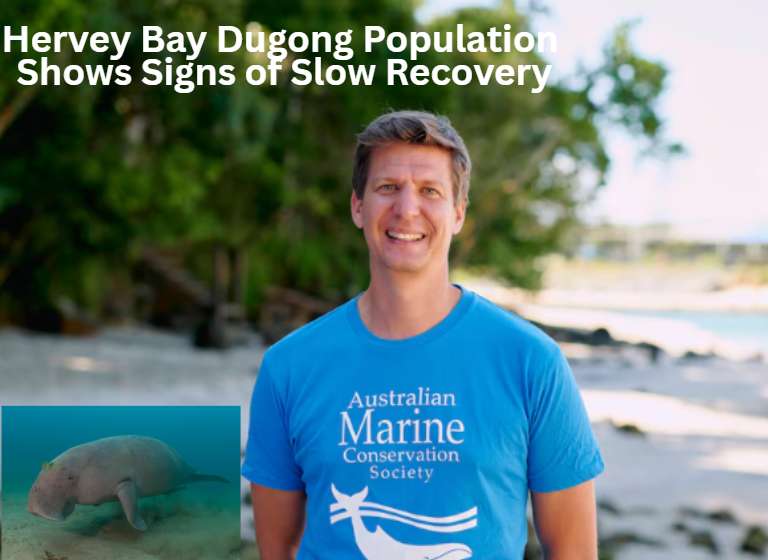
Researchers have recorded a small increase in dugong numbers around Hervey Bay and the Great Sandy Strait after severe flooding damaged seagrass habitat...
Isis Central Sugar Mill is seeking financial assistance from the Queensland Government after mechanical problems and weaker sugar prices put pressure on...
The New South Wales government has taken control of the planning process for a proposed public plaza outside Sydney Town Hall, raising concerns that the...
The federal government says artificial intelligence companies could be required to prove that their AI systems are properly tested and capable of preven...
A 39-year-old man has been charged over an alleged vehicle attack following a fatal shooting in northern New South Wales in December 2025. Police allege...
The federal government will fund a temporary extension of credit card payments to the Australian Taxation Office, giving small businesses and taxpayers...
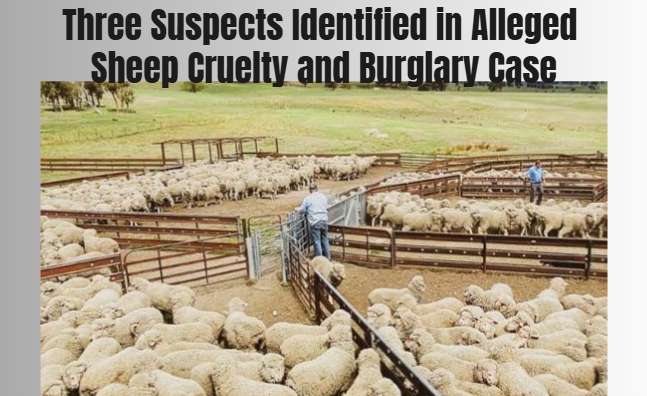
ACT Policing has identified two men and a teenager in an investigation into an alleged burglary and animal cruelty incident at a rural property near the...
A probationary Northern Territory police constable has been charged with two alleged prohibited-weapon offences after officers reportedly found imitatio...