University of Tasmania Cancels Aboriginal Artist's Exhibition After Opening Night
By Chloe · Published 02 Nov 2026 · Updated 02 Nov 2026
Hobart, TAS · Tasmania News
Safety note: Admin approval is an initial review, not a guarantee that every detail is correct. Check important or urgent claims with official sources and report anything inaccurate or unsafe.
Source and credit: Contributor's own report
University of Tasmania Cancels Aboriginal Artist's Exhibition After Opening Night - Hobart, TAS
Smart summary
The university has closed an exhibition by Palawa/Pakana artist Cody Gangell-Smith after one day, following complaints about its public visibility and concerns over electrical safety.
The University of Tasmania has cancelled a solo exhibition by Aboriginal artist and activist Cody Gangell-Smith after it remained open for only one day, sparking debate about artistic freedom, censorship and public safety.
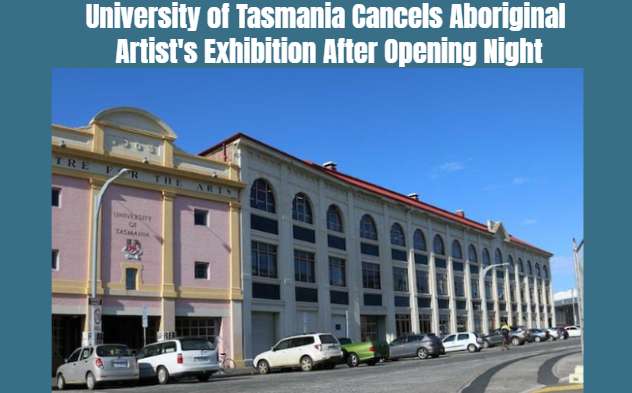
The exhibition, titled Radical Faggotry, was part of Hobiennale, a four-day arts festival held in Hobart from October 29 to November 1, 2026. The artwork was displayed at the university's Centre for the Arts building on Hunter Street in Hobart.
The exhibition explored queer identity, politics, culture and personal expression. It was originally planned to remain open for a month, allowing visitors to experience the artist's work beyond the festival period.
However, controversy emerged before the exhibition officially opened. During the installation process, a complaint was made about the visibility of some of the artwork from the street. The university raised concerns that members of the public, including children, could see sexually explicit material through the building's windows.
Gangell-Smith told ABC News that he responded by covering the windows and putting up signage to alert visitors about the nature of the exhibition. He said some of the works were also censored before the opening.
Despite these changes, the university requested further action. The head of its Creative and Performing Arts School, Professor Alexandra Lasczik, said the artwork had not been authorised for installation in that particular location and that concerns had been raised about its unrestricted visibility from a public street.
The exhibition opened briefly, but the university subsequently ordered it to close following a workplace health and safety inspection.
The university said electrical items found during the inspection did not meet safety requirements. Gangell-Smith identified the items as LED fairy lights that had not been tested and tagged. He also claimed that extension cords supplied by the university were overdue for testing.
Professor Lasczik maintained that the university's decision was based on approval procedures and public safety rather than an attempt to censor the artist's work. She said the exhibition could have proceeded if organisers had consulted the university about an appropriate display arrangement and complied with workplace safety requirements.
Hobiennale co-director Feras Shaheen said the festival's creative and curatorial decisions were independent and were not subject to the university's approval under their agreement.
Artist and curator Kirsha Kaechele, who attended the exhibition, criticised the closure and described the university's response as an example of outdated censorship practices.
The incident has raised questions about the relationship between universities, independent arts festivals and artists' freedom to present challenging work. It has also highlighted the importance of clear agreements about exhibition spaces, public access and safety responsibilities.
The University of Tasmania has maintained that its concerns were procedural and safety-related. Meanwhile, the artist and festival organisers have questioned the decision to close the exhibition after its content had already been modified.
The controversy has attracted attention across Tasmania's arts community, with the debate continuing over how creative expression should be balanced with institutional responsibilities.
UniversityExhibitionArtistSafetyArts
The University of Tasmania has cancelled a solo exhibition by Aboriginal artist and activist Cody Gangell-Smith after it remained open for only one day, sparking debate about artistic freedom, censorship and public safety.
The exhibition, titled Radical Faggotry, was part of Hobiennale, a four-day arts festival held in Hobart from October 29 to November 1, 2026. The artwork was displayed at the university's Centre for the Arts building on Hunter Street in Hobart.
The exhibition explored queer identity, politics, culture and personal expression. It was originally planned to remain open for a month, allowing visitors to experience the artist's work beyond the festival period.
However, controversy emerged before the exhibition officially opened. During the installation process, a complaint was made about the visibility of some of the artwork from the street. The university raised concerns that members of the public, including children, could see sexually explicit material through the building's windows.
Gangell-Smith told ABC News that he responded by covering the windows and putting up signage to alert visitors about the nature of the exhibition. He said some of the works were also censored before the opening.
Despite these changes, the university requested further action. The head of its Creative and Performing Arts School, Professor Alexandra Lasczik, said the artwork had not been authorised for installation in that particular location and that concerns had been raised about its unrestricted visibility from a public street.
The exhibition opened briefly, but the university subsequently ordered it to close following a workplace health and safety inspection.
The university said electrical items found during the inspection did not meet safety requirements. Gangell-Smith identified the items as LED fairy lights that had not been tested and tagged. He also claimed that extension cords supplied by the university were overdue for testing.
Professor Lasczik maintained that the university's decision was based on approval procedures and public safety rather than an attempt to censor the artist's work. She said the exhibition could have proceeded if organisers had consulted the university about an appropriate display arrangement and complied with workplace safety requirements.
Hobiennale co-director Feras Shaheen said the festival's creative and curatorial decisions were independent and were not subject to the university's approval under their agreement.
Artist and curator Kirsha Kaechele, who attended the exhibition, criticised the closure and described the university's response as an example of outdated censorship practices.
The incident has raised questions about the relationship between universities, independent arts festivals and artists' freedom to present challenging work. It has also highlighted the importance of clear agreements about exhibition spaces, public access and safety responsibilities.
The University of Tasmania has maintained that its concerns were procedural and safety-related. Meanwhile, the artist and festival organisers have questioned the decision to close the exhibition after its content had already been modified.
The controversy has attracted attention across Tasmania's arts community, with the debate continuing over how creative expression should be balanced with institutional responsibilities.
The new laboratory in Bundaberg will allow Indigenous rangers and traditional owner groups to test water locally, strengthening environmental management...
Conservation groups and landowners are opposing a proposed road through a protected sanctuary near Canberra, warning it could damage habitat for threate...
Liquidators have recovered just $8 million from more than $512 million invested in the collapsed First Guardian fund, leaving thousands of Australians u...
The university will introduce stronger in-person assessments and independent audits to help ensure students demonstrate their own knowledge as artificia...
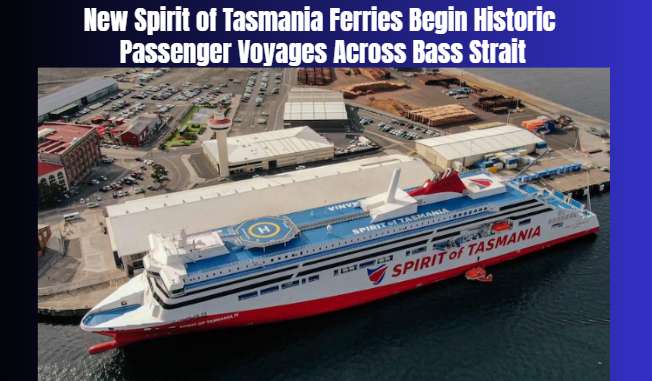
Two next-generation Spirit of Tasmania vessels begin their first passenger journeys between Victoria and Tasmania, bringing increased passenger capacity...
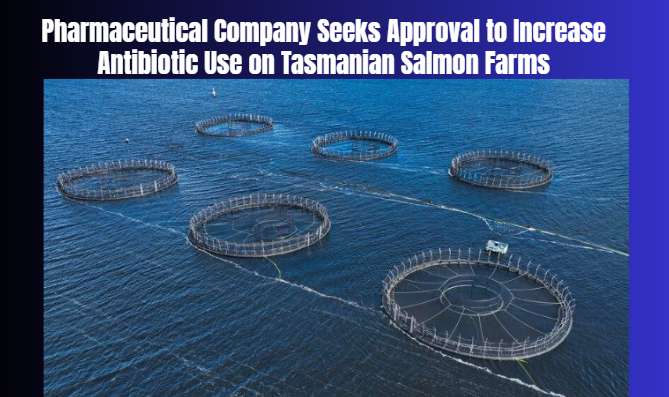
An animal health company has applied to increase antibiotic dosage levels and expand treatment areas in Tasmania's salmon farming industry, raising conc...
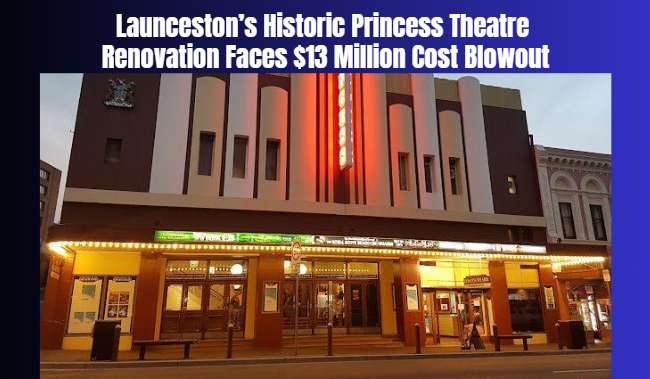
Restoration work on one of Tasmania’s oldest theatres is underway, but difficult site conditions have pushed costs more than $13 million above the origi...
A bill to prohibit conversion practices has passed Tasmania’s lower house, marking a significant step in the state’s debate over protections for LGBTQIA...
Two men have died after a ute collided with a heavy truck at Bluewater, north of Townsville, prompting a police investigation by Queensland's Forensic C...
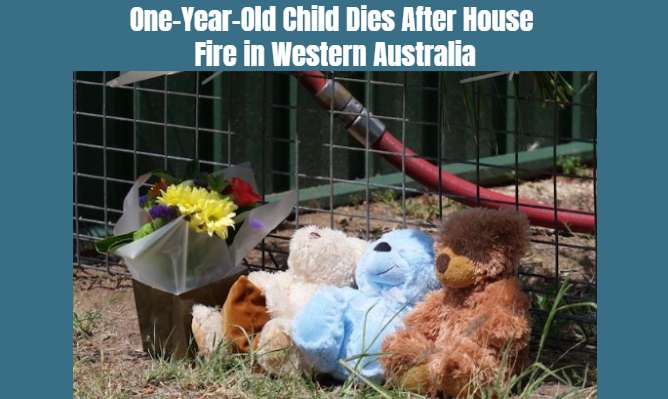
Police are investigating after a one-year-old child died following a house fire in Collie, while several other people inside the property escaped safely.
A psychiatric report presented to South Australia's Supreme Court has raised questions about Tamika Chesser's mental competence in the case involving th...