Tasmania Moves Closer to Banning Conversion Practices
By Chloe · Published 29 Oct 2026 · Updated 29 Oct 2026
Hobart, TAS · Tasmania News
Safety note: Admin approval is an initial review, not a guarantee that every detail is correct. Check important or urgent claims with official sources and report anything inaccurate or unsafe.
Source and credit: Contributor's own report
Smart summary
A bill to prohibit conversion practices has passed Tasmania’s lower house, marking a significant step in the state’s debate over protections for LGBTQIA+ people.
Tasmania has taken a significant step towards prohibiting conversion practices after the state’s House of Assembly passed the Conversion Practices Prohibition Bill 2026 on 29 October. The legislation now moves to the Legislative Council, where members will consider whether it should become law.
Conversion practices are activities intended to change, suppress or eliminate a person’s sexual orientation or gender identity. They can involve formal counselling or other interventions, as well as informal practices that pressure people to deny or hide their identity.
The bill was introduced by the Tasmanian Greens and received support across party lines. Labor backed the legislation, as did four independent MPs and three Liberal MPs: Premier Jeremy Rockliff, Bridget Archer and Roger Jaensch. The Liberal Party allowed its members to vote according to their own convictions rather than requiring a unified party position.
The lower-house debate continued for almost 20 hours, reflecting strong differences over the proposed law. Supporters described the legislation as an important protection for people who have experienced coercive or harmful attempts to change their identity. Opponents raised concerns about the scope of the bill and whether some of its definitions could be interpreted too broadly.
Advocates welcomed the outcome as a milestone after years of campaigning by LGBTQIA+ community members and organisations. Equality Tasmania campaigner Rodney Croome said the passage of the bill was important for survivors who had shared difficult personal experiences to support legal reform.
Greens leader Rosalie Woodruff also credited the community campaign and the contributions of survivors, families and advocates. Their efforts helped bring the issue into parliamentary debate and build support for stronger legal protections.
Research by La Trobe University, cited in reporting on the bill, found that one in 20 young queer people in Tasmania had experienced conversion practices. The research also associated these experiences with an increased risk of suicide, reinforcing concerns about the potential consequences for people subjected to pressure or coercion.
The legislation includes exclusions intended to distinguish conversion practices from other activities. These include appropriate healthcare provided in accordance with professional and legal requirements, participation in public debate, religious expression and prayer, and parents discussing matters relating to sexuality, gender identity, sexual activity or religion with their children.
Several amendments were made during the parliamentary process. One removed a provision that could have made employers legally liable for offences committed by employees in circumstances covered by the original wording. The changes reflect efforts to define the proposed restrictions and their limits more clearly.
Nevertheless, disagreement remains. Some opponents argued that the bill’s wording could create uncertainty about which actions might be investigated or prohibited. Supporters maintained that safeguards and exclusions were included while preserving the central objective of preventing harmful conversion practices.
The next stage will be consideration by Tasmania’s Legislative Council. The lower-house passage does not mean the bill has become law; further parliamentary approval is required before the proposed ban can take effect.
If passed, Tasmania would join several other Australian jurisdictions that have already prohibited conversion practices. Western Australia and the Northern Territory would remain the only Australian jurisdictions without such a ban,
The bill’s progress marks a major development in Tasmania’s discussion of equality, personal identity and protections against harmful treatment. Its final outcome will depend on the Legislative Council’s consideration of the amended legislation.
PracticesBillConversionTasmaniaIdentity
Tasmania has taken a significant step towards prohibiting conversion practices after the state’s House of Assembly passed the Conversion Practices Prohibition Bill 2026 on 29 October. The legislation now moves to the Legislative Council, where members will consider whether it should become law.
Conversion practices are activities intended to change, suppress or eliminate a person’s sexual orientation or gender identity. They can involve formal counselling or other interventions, as well as informal practices that pressure people to deny or hide their identity.
The bill was introduced by the Tasmanian Greens and received support across party lines. Labor backed the legislation, as did four independent MPs and three Liberal MPs: Premier Jeremy Rockliff, Bridget Archer and Roger Jaensch. The Liberal Party allowed its members to vote according to their own convictions rather than requiring a unified party position.
The lower-house debate continued for almost 20 hours, reflecting strong differences over the proposed law. Supporters described the legislation as an important protection for people who have experienced coercive or harmful attempts to change their identity. Opponents raised concerns about the scope of the bill and whether some of its definitions could be interpreted too broadly.
Advocates welcomed the outcome as a milestone after years of campaigning by LGBTQIA+ community members and organisations. Equality Tasmania campaigner Rodney Croome said the passage of the bill was important for survivors who had shared difficult personal experiences to support legal reform.
Greens leader Rosalie Woodruff also credited the community campaign and the contributions of survivors, families and advocates. Their efforts helped bring the issue into parliamentary debate and build support for stronger legal protections.
Research by La Trobe University, cited in reporting on the bill, found that one in 20 young queer people in Tasmania had experienced conversion practices. The research also associated these experiences with an increased risk of suicide, reinforcing concerns about the potential consequences for people subjected to pressure or coercion.
The legislation includes exclusions intended to distinguish conversion practices from other activities. These include appropriate healthcare provided in accordance with professional and legal requirements, participation in public debate, religious expression and prayer, and parents discussing matters relating to sexuality, gender identity, sexual activity or religion with their children.
Several amendments were made during the parliamentary process. One removed a provision that could have made employers legally liable for offences committed by employees in circumstances covered by the original wording. The changes reflect efforts to define the proposed restrictions and their limits more clearly.
Nevertheless, disagreement remains. Some opponents argued that the bill’s wording could create uncertainty about which actions might be investigated or prohibited. Supporters maintained that safeguards and exclusions were included while preserving the central objective of preventing harmful conversion practices.
The next stage will be consideration by Tasmania’s Legislative Council. The lower-house passage does not mean the bill has become law; further parliamentary approval is required before the proposed ban can take effect.
If passed, Tasmania would join several other Australian jurisdictions that have already prohibited conversion practices. Western Australia and the Northern Territory would remain the only Australian jurisdictions without such a ban,
The bill’s progress marks a major development in Tasmania’s discussion of equality, personal identity and protections against harmful treatment. Its final outcome will depend on the Legislative Council’s consideration of the amended legislation.
A fisherman escaped unharmed after a large crocodile climbed onto his boat while he was fishing alone on the Mary River, prompting renewed safety warnin...
Swan Hill Rural City Council will demolish the historic Robinvale Hotel after an independent engineering assessment found the fire-damaged building unsafe.
Re-elected Devonport mayor Alison Jarman has made council amalgamation a priority, arguing that neighbouring local governments could take cooperation a...
Plans to resume offshore sediment disposal near Magnetic Island have prompted concern from marine scientists and local tourism operators, who warn that...
Two next-generation Spirit of Tasmania vessels begin their first passenger journeys between Victoria and Tasmania, bringing increased passenger capacity...
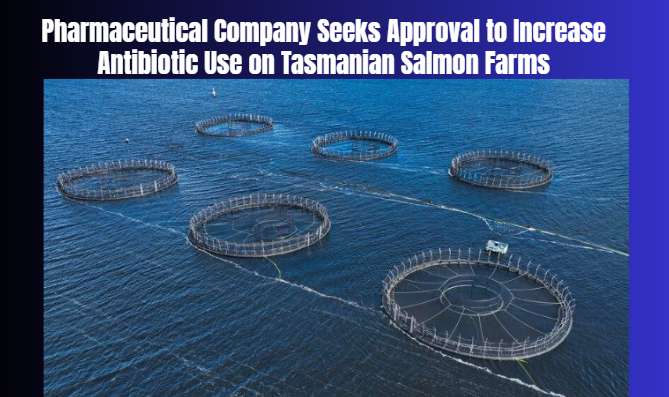
An animal health company has applied to increase antibiotic dosage levels and expand treatment areas in Tasmania's salmon farming industry, raising conc...
Restoration work on one of Tasmania’s oldest theatres is underway, but difficult site conditions have pushed costs more than $13 million above the origi...
Re-elected Devonport mayor Alison Jarman has made council amalgamation a priority, arguing that neighbouring local governments could take cooperation a...
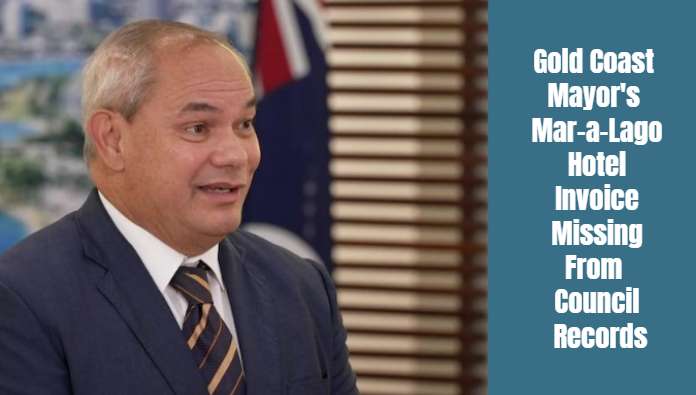
A freedom of information request has revealed that Gold Coast Council does not hold a copy of the invoice for Mayor Tom Tate's three-day stay at Donald...
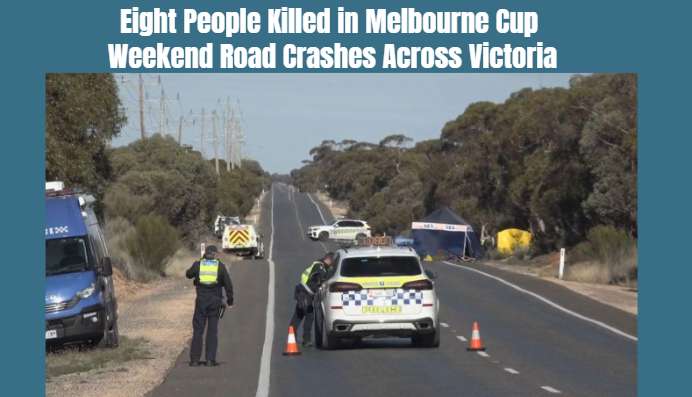
Eight people have died in separate road crashes across Victoria during the Melbourne Cup long weekend, with four of the fatal incidents involving motorc...
A fisherman escaped unharmed after a large crocodile climbed onto his boat while he was fishing alone on the Mary River, prompting renewed safety warnin...