Launceston’s Historic Princess Theatre Renovation Faces $13 Million Cost Blowout
By Chloe · Published 29 Oct 2026 · Updated 29 Oct 2026
Launceston, TAS · Tasmania News
Safety note: Admin approval is an initial review, not a guarantee that every detail is correct. Check important or urgent claims with official sources and report anything inaccurate or unsafe.
Source and credit: Contributor's own report
Launceston’s Historic Princess Theatre Renovation Faces $13 Million Cost Blowout - Launceston, TAS
Smart summary
Restoration work on one of Tasmania’s oldest theatres is underway, but difficult site conditions have pushed costs more than $13 million above the original estimates.
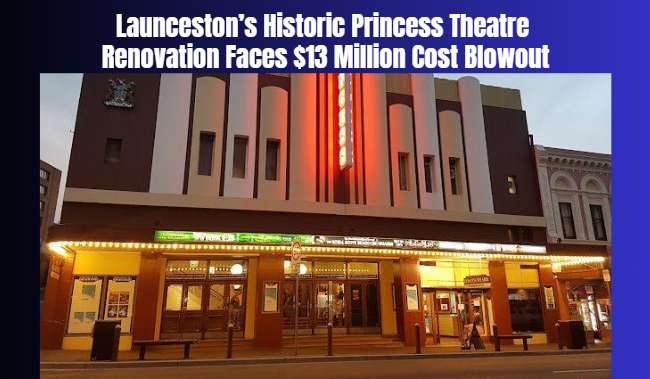
Renovation work has begun on Launceston’s historic Princess Theatre and the adjoining Earl Arts Centre, with the redevelopment facing significant construction challenges and a cost increase of more than $13 million compared with its original estimates.
The Princess Theatre, which is approximately 115 years old, is an important part of Launceston’s performing arts scene. The redevelopment is intended to improve the facilities available to performers, production teams and audiences while supporting the continued use of the historic venue.
According to ABC Northern Tasmania’s regional news briefing on 29 October 2026, the project includes additional seating, improved dressing rooms and new toilets. Completion is scheduled for February 2028.
The renovation involves work across both the Princess Theatre and Earl Arts Centre. Improving these facilities is expected to make the venues more practical for performances and events, while upgrading amenities for visitors and staff.
However, the age and condition of the buildings have created complications for construction teams. Fairbrother’s northern Tasmania general manager, Marcus Perkins, said the ground conditions had been particularly challenging.
One unexpected issue involved a brick wall approximately 20 metres high at the rear of the building. According to Perkins, the wall had no foundations beneath it in the area where the Earl Arts Centre had been demolished and a basement was being constructed.
Discovering such conditions during redevelopment can create additional engineering requirements. Construction teams may need to reconsider how nearby structures are supported, how excavation proceeds and what measures are necessary to maintain stability while work continues.
These challenges can affect both the construction schedule and the project budget. They are especially significant in older buildings, where original construction methods and hidden structural conditions may not match modern expectations.
The reported cost increase of more than $13 million highlights the financial risks involved in renovating heritage properties. Unlike a new building on a cleared site, a historic venue may require careful investigation and specialist construction methods to preserve existing structures while introducing modern facilities.
The project also needs to balance improvements in accessibility and visitor amenities with the character of the historic theatre. Additional seating and upgraded backstage areas can improve how the venues function, but changes must be coordinated with the existing buildings and the constraints of the site.
For Launceston’s arts community, the redevelopment is an investment in facilities that support live performance and cultural activity. The theatre and arts centre can provide venues for productions, local performers and visiting companies, contributing to the city’s cultural life.
The construction period will require continued coordination between developers, contractors and the organisations that use the venues. The February 2028 completion target provides a timeline for the redevelopment, although the challenges encountered so far demonstrate the complexity of the work.
The latest report confirms that renovations have started and outlines the major construction difficulties, but it does not provide a final revised project budget. The overall financial impact and any further schedule changes will depend on how the remaining work progresses.
The redevelopment remains a significant project for Launceston, aiming to preserve a longstanding cultural venue while upgrading the facilities needed for future performances.
ConstructionArtsRedevelopmentTheatreFacilities
Renovation work has begun on Launceston’s historic Princess Theatre and the adjoining Earl Arts Centre, with the redevelopment facing significant construction challenges and a cost increase of more than $13 million compared with its original estimates.
The Princess Theatre, which is approximately 115 years old, is an important part of Launceston’s performing arts scene. The redevelopment is intended to improve the facilities available to performers, production teams and audiences while supporting the continued use of the historic venue.
According to ABC Northern Tasmania’s regional news briefing on 29 October 2026, the project includes additional seating, improved dressing rooms and new toilets. Completion is scheduled for February 2028.
The renovation involves work across both the Princess Theatre and Earl Arts Centre. Improving these facilities is expected to make the venues more practical for performances and events, while upgrading amenities for visitors and staff.
However, the age and condition of the buildings have created complications for construction teams. Fairbrother’s northern Tasmania general manager, Marcus Perkins, said the ground conditions had been particularly challenging.
One unexpected issue involved a brick wall approximately 20 metres high at the rear of the building. According to Perkins, the wall had no foundations beneath it in the area where the Earl Arts Centre had been demolished and a basement was being constructed.
Discovering such conditions during redevelopment can create additional engineering requirements. Construction teams may need to reconsider how nearby structures are supported, how excavation proceeds and what measures are necessary to maintain stability while work continues.
These challenges can affect both the construction schedule and the project budget. They are especially significant in older buildings, where original construction methods and hidden structural conditions may not match modern expectations.
The reported cost increase of more than $13 million highlights the financial risks involved in renovating heritage properties. Unlike a new building on a cleared site, a historic venue may require careful investigation and specialist construction methods to preserve existing structures while introducing modern facilities.
The project also needs to balance improvements in accessibility and visitor amenities with the character of the historic theatre. Additional seating and upgraded backstage areas can improve how the venues function, but changes must be coordinated with the existing buildings and the constraints of the site.
For Launceston’s arts community, the redevelopment is an investment in facilities that support live performance and cultural activity. The theatre and arts centre can provide venues for productions, local performers and visiting companies, contributing to the city’s cultural life.
The construction period will require continued coordination between developers, contractors and the organisations that use the venues. The February 2028 completion target provides a timeline for the redevelopment, although the challenges encountered so far demonstrate the complexity of the work.
The latest report confirms that renovations have started and outlines the major construction difficulties, but it does not provide a final revised project budget. The overall financial impact and any further schedule changes will depend on how the remaining work progresses.
The redevelopment remains a significant project for Launceston, aiming to preserve a longstanding cultural venue while upgrading the facilities needed for future performances.
The Northern Territory government has admitted that its initial $500,000 school upgrade budget is insufficient, promising additional funding as two Alic...
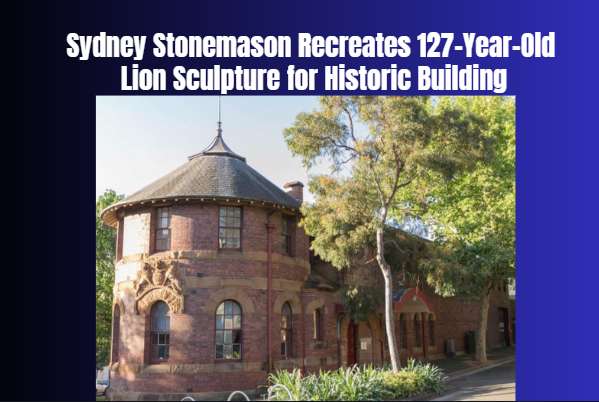
A specialist stonemason is carefully recreating an eroded sandstone lion on a historic Darlinghurst building in Sydney, using archival photographs and t...
A new flight from Sydney to the Gold Coast is drawing attention to a journey that began eight decades ago, connecting Australia’s aviation history with...
Sudden hail has damaged crops in parts of Australia just as farmers prepare for an important harvest season, raising concerns about crop quality and pot...
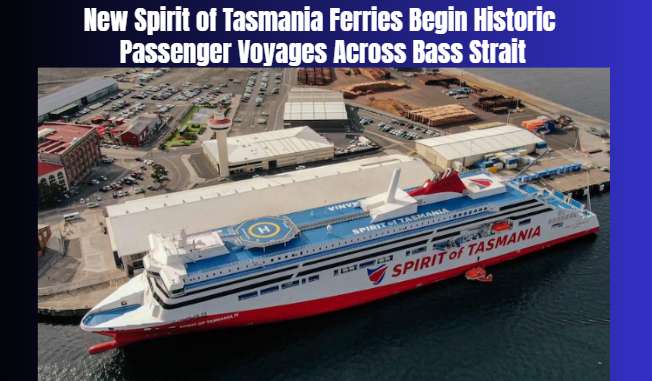
Two next-generation Spirit of Tasmania vessels begin their first passenger journeys between Victoria and Tasmania, bringing increased passenger capacity...
An animal health company has applied to increase antibiotic dosage levels and expand treatment areas in Tasmania's salmon farming industry, raising conc...
A bill to prohibit conversion practices has passed Tasmania’s lower house, marking a significant step in the state’s debate over protections for LGBTQIA...
Re-elected Devonport mayor Alison Jarman has made council amalgamation a priority, arguing that neighbouring local governments could take cooperation a...
A psychiatric report presented to South Australia's Supreme Court has raised questions about Tamika Chesser's mental competence in the case involving th...
A freedom of information request has revealed that Gold Coast Council does not hold a copy of the invoice for Mayor Tom Tate's three-day stay at Donald...
Eight people have died in separate road crashes across Victoria during the Melbourne Cup long weekend, with four of the fatal incidents involving motorc...