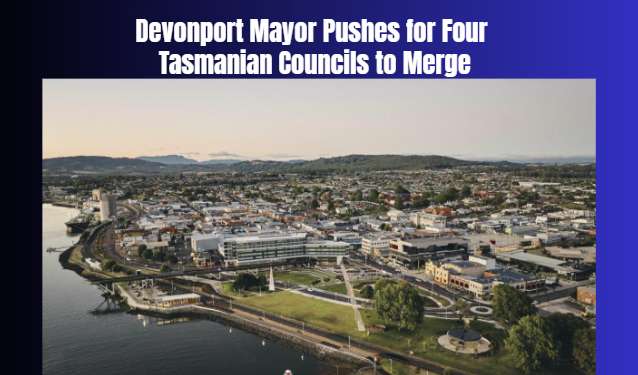
Devonport Mayor Pushes for Four Tasmanian Councils to Merge
By Chloe · Published 29 Oct 2026 · Updated 29 Oct 2026
Devonport, TAS · Tasmania News
Safety note: Admin approval is an initial review, not a guarantee that every detail is correct. Check important or urgent claims with official sources and report anything inaccurate or unsafe.
Source and credit: Contributor's own report
Devonport Mayor Pushes for Four Tasmanian Councils to Merge - Devonport, TAS
Smart summary
Re-elected Devonport mayor Alison Jarman has made council amalgamation a priority, arguing that neighbouring local governments could take cooperation a step further by becoming one council.
Devonport mayor-elect Alison Jarman has identified local government amalgamation as a major priority following her re-election to council, opening a fresh discussion about whether neighbouring councils in northern Tasmania should combine their operations.
In a regional briefing published on 29 October 2026, ABC News reported that Jarman received more than 9,000 first-preference votes. She has already contacted Tasmanian Premier Jeremy Rockliff to discuss the possibility of merging Devonport with three neighbouring councils.
The four councils have already established an alliance and are working together, including through cooperation between their staff. Jarman believes this existing relationship could provide a foundation for a more substantial arrangement in which the councils become a single local government authority.
Her proposal reflects a wider debate in Tasmania about the structure and efficiency of local government. Council amalgamation involves combining two or more local government areas into one organisation, potentially changing how services are delivered, budgets are managed and community priorities are represented.
Supporters of amalgamation often argue that larger councils can coordinate regional planning more effectively, share resources and reduce duplication in administration. Where neighbouring communities depend on the same roads, transport links, infrastructure and economic networks, a unified approach may also make it easier to plan services across local boundaries.
For northern Tasmania, cooperation between neighbouring councils can be particularly relevant when addressing regional development, infrastructure investment and population needs. Businesses and residents may interact with several council areas in their everyday lives, while transport routes and economic activity often extend beyond the boundaries of a single municipality.
Jarman's comments suggest that she sees the existing alliance as a starting point rather than the final arrangement. Her proposal would move the discussion from councils working together on selected matters to considering whether a single organisation could deliver services and make decisions across the combined area.
However, merging councils would involve significant decisions about governance and representation. Residents would need clarity about how elected representatives were selected, how local priorities were balanced and where council services would be delivered. Communities may also have different expectations about spending, development and the preservation of local identity.
Financial arrangements would be another important consideration. Any merger would require examination of council assets, liabilities, staffing structures, service costs and existing commitments. Potential efficiencies would need to be weighed against the cost and complexity of combining separate organisations.
The proposal remains at an early stage. The report confirms that Jarman has raised the idea with the Tasmanian premier, but it does not establish that the state government has approved a merger or that a final decision has been made. Further discussions would be required before any formal restructuring could proceed.
Tasmania has 29 councils, and the regional briefing noted that 16 mayors had been declared following the first day of counting in the local government elections, with additional results expected. The wider election process provides an opportunity for newly elected representatives to set priorities for their communities.
For Devonport and neighbouring areas, the coming discussions could help determine whether deeper cooperation or a formal merger is the preferred path. Any future change would need to consider service quality, financial sustainability and the views of the communities affected.
CouncilsWouldGovernmentCouncilJarman
Devonport mayor-elect Alison Jarman has identified local government amalgamation as a major priority following her re-election to council, opening a fresh discussion about whether neighbouring councils in northern Tasmania should combine their operations.
In a regional briefing published on 29 October 2026, ABC News reported that Jarman received more than 9,000 first-preference votes. She has already contacted Tasmanian Premier Jeremy Rockliff to discuss the possibility of merging Devonport with three neighbouring councils.
The four councils have already established an alliance and are working together, including through cooperation between their staff. Jarman believes this existing relationship could provide a foundation for a more substantial arrangement in which the councils become a single local government authority.
Her proposal reflects a wider debate in Tasmania about the structure and efficiency of local government. Council amalgamation involves combining two or more local government areas into one organisation, potentially changing how services are delivered, budgets are managed and community priorities are represented.
Supporters of amalgamation often argue that larger councils can coordinate regional planning more effectively, share resources and reduce duplication in administration. Where neighbouring communities depend on the same roads, transport links, infrastructure and economic networks, a unified approach may also make it easier to plan services across local boundaries.
For northern Tasmania, cooperation between neighbouring councils can be particularly relevant when addressing regional development, infrastructure investment and population needs. Businesses and residents may interact with several council areas in their everyday lives, while transport routes and economic activity often extend beyond the boundaries of a single municipality.
Jarman's comments suggest that she sees the existing alliance as a starting point rather than the final arrangement. Her proposal would move the discussion from councils working together on selected matters to considering whether a single organisation could deliver services and make decisions across the combined area.
However, merging councils would involve significant decisions about governance and representation. Residents would need clarity about how elected representatives were selected, how local priorities were balanced and where council services would be delivered. Communities may also have different expectations about spending, development and the preservation of local identity.
Financial arrangements would be another important consideration. Any merger would require examination of council assets, liabilities, staffing structures, service costs and existing commitments. Potential efficiencies would need to be weighed against the cost and complexity of combining separate organisations.
The proposal remains at an early stage. The report confirms that Jarman has raised the idea with the Tasmanian premier, but it does not establish that the state government has approved a merger or that a final decision has been made. Further discussions would be required before any formal restructuring could proceed.
Tasmania has 29 councils, and the regional briefing noted that 16 mayors had been declared following the first day of counting in the local government elections, with additional results expected. The wider election process provides an opportunity for newly elected representatives to set priorities for their communities.
For Devonport and neighbouring areas, the coming discussions could help determine whether deeper cooperation or a formal merger is the preferred path. Any future change would need to consider service quality, financial sustainability and the views of the communities affected.
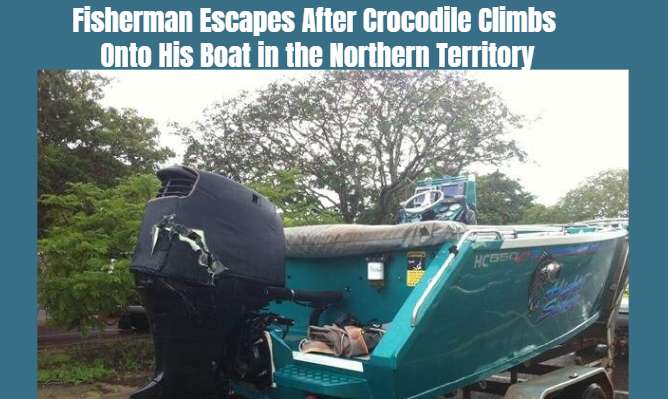
A fisherman escaped unharmed after a large crocodile climbed onto his boat while he was fishing alone on the Mary River, prompting renewed safety warnin...
Swan Hill Rural City Council will demolish the historic Robinvale Hotel after an independent engineering assessment found the fire-damaged building unsafe.
A bill to prohibit conversion practices has passed Tasmania’s lower house, marking a significant step in the state’s debate over protections for LGBTQIA...
Plans to resume offshore sediment disposal near Magnetic Island have prompted concern from marine scientists and local tourism operators, who warn that...
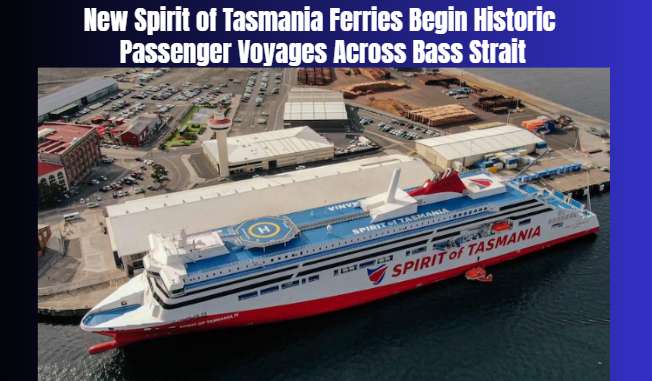
Two next-generation Spirit of Tasmania vessels begin their first passenger journeys between Victoria and Tasmania, bringing increased passenger capacity...
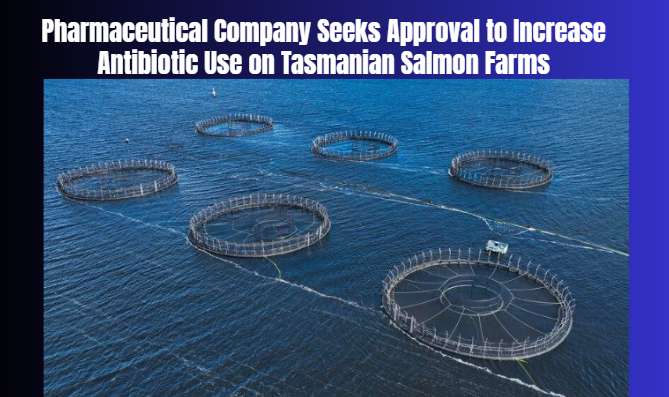
An animal health company has applied to increase antibiotic dosage levels and expand treatment areas in Tasmania's salmon farming industry, raising conc...
Restoration work on one of Tasmania’s oldest theatres is underway, but difficult site conditions have pushed costs more than $13 million above the origi...
A bill to prohibit conversion practices has passed Tasmania’s lower house, marking a significant step in the state’s debate over protections for LGBTQIA...
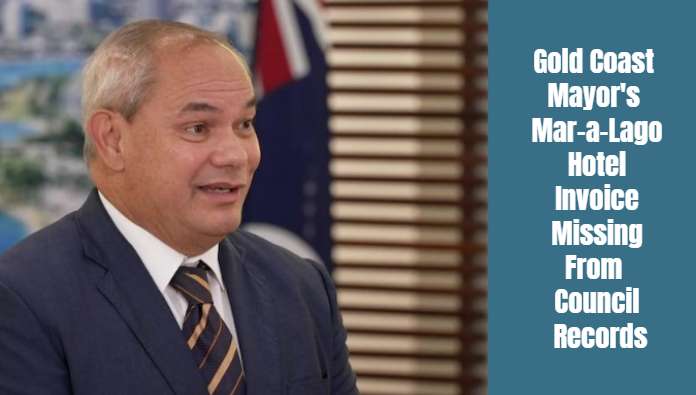
A freedom of information request has revealed that Gold Coast Council does not hold a copy of the invoice for Mayor Tom Tate's three-day stay at Donald...
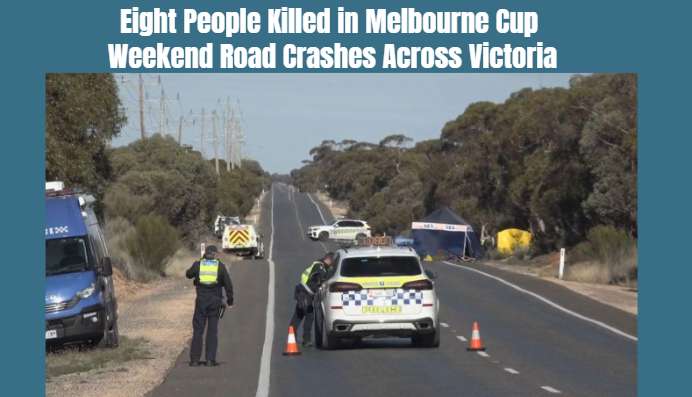
Eight people have died in separate road crashes across Victoria during the Melbourne Cup long weekend, with four of the fatal incidents involving motorc...
A fisherman escaped unharmed after a large crocodile climbed onto his boat while he was fishing alone on the Mary River, prompting renewed safety warnin...