Fisherman Escapes After Crocodile Climbs Onto His Boat in the Northern Territory
By Chloe · Published 02 Nov 2026 · Updated 02 Nov 2026
Mary River, NT
Safety note: Admin approval is an initial review, not a guarantee that every detail is correct. Check important or urgent claims with official sources and report anything inaccurate or unsafe.
Source and credit: Contributor's own report
Fisherman Escapes After Crocodile Climbs Onto His Boat in the Northern Territory - Mary River, NT
Smart summary
A fisherman escaped unharmed after a large crocodile climbed onto his boat while he was fishing alone on the Mary River, prompting renewed safety warnings ahead of crocodile breeding season.
An angler in the Northern Territory has experienced a frightening encounter after a large crocodile climbed onto his boat while he was fishing alone on the Mary River. The incident has prompted the Amateur Fishermen’s Association NT to remind people about the dangers of fishing in crocodile-inhabited waterways.
The fisherman, whose identity has not been made public, was reportedly fishing on the river earlier in November when the crocodile approached his small boat. According to association president David Ciaravolo, the man bent down towards his esky and turned around to find the animal extremely close to him.
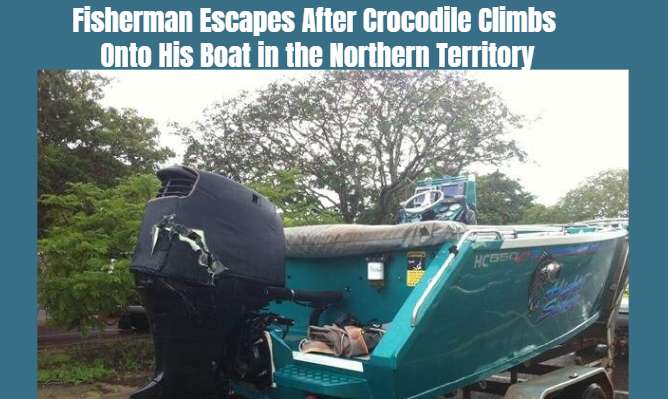
The crocodile had climbed onto the side of the boat, placing its claws into the gunwale and leaving visible damage. The fisherman used the fishing rod he was holding to strike the crocodile on the head and drive it away.
Although the encounter left him shaken, he was not physically injured. The damaged boat showed scratches and marks from the animal's claws and teeth.
The association said the incident demonstrated how quietly crocodiles can approach boats, even when people are experienced and familiar with fishing in the Territory. The fisherman was reportedly aware of crocodile safety precautions, but the animal still managed to surprise him at close range.
Parks and Wildlife NT confirmed that rangers had visited the location. Officials said management efforts would continue until the crocodile was removed.
The incident comes as the Top End moves into its hotter build-up period, when crocodiles can become more active and territorial ahead of breeding season. Crocodile researcher Grahame Webb explained that rising water temperatures and movement between territories can cause crocodiles to travel more frequently.
During this period, crocodiles may also need more food as they expend energy moving around. Experts are therefore urging fishers and other visitors to remain especially alert near rivers, lagoons and other waterways.
Parks and Wildlife NT has advised people to stay away from the water's edge, particularly when launching or retrieving boats. Fishers are also encouraged to avoid attracting crocodiles by handling fish carefully and remaining aware of their surroundings.
The department has reminded people not to swim fish before releasing them and to use safe methods that minimise the time spent near the water.
The encounter highlights the importance of following crocodile safety advice throughout the Northern Territory. Authorities and fishing organisations are encouraging residents and visitors to remain cautious, even in locations they know well, because crocodiles can approach without warning.
CrocodileCrocodilesFishingBoatFisherman
An angler in the Northern Territory has experienced a frightening encounter after a large crocodile climbed onto his boat while he was fishing alone on the Mary River. The incident has prompted the Amateur Fishermen’s Association NT to remind people about the dangers of fishing in crocodile-inhabited waterways.
The fisherman, whose identity has not been made public, was reportedly fishing on the river earlier in November when the crocodile approached his small boat. According to association president David Ciaravolo, the man bent down towards his esky and turned around to find the animal extremely close to him.
The crocodile had climbed onto the side of the boat, placing its claws into the gunwale and leaving visible damage. The fisherman used the fishing rod he was holding to strike the crocodile on the head and drive it away.
Although the encounter left him shaken, he was not physically injured. The damaged boat showed scratches and marks from the animal's claws and teeth.
The association said the incident demonstrated how quietly crocodiles can approach boats, even when people are experienced and familiar with fishing in the Territory. The fisherman was reportedly aware of crocodile safety precautions, but the animal still managed to surprise him at close range.
Parks and Wildlife NT confirmed that rangers had visited the location. Officials said management efforts would continue until the crocodile was removed.
The incident comes as the Top End moves into its hotter build-up period, when crocodiles can become more active and territorial ahead of breeding season. Crocodile researcher Grahame Webb explained that rising water temperatures and movement between territories can cause crocodiles to travel more frequently.
During this period, crocodiles may also need more food as they expend energy moving around. Experts are therefore urging fishers and other visitors to remain especially alert near rivers, lagoons and other waterways.
Parks and Wildlife NT has advised people to stay away from the water's edge, particularly when launching or retrieving boats. Fishers are also encouraged to avoid attracting crocodiles by handling fish carefully and remaining aware of their surroundings.
The department has reminded people not to swim fish before releasing them and to use safe methods that minimise the time spent near the water.
The encounter highlights the importance of following crocodile safety advice throughout the Northern Territory. Authorities and fishing organisations are encouraging residents and visitors to remain cautious, even in locations they know well, because crocodiles can approach without warning.
Swan Hill Rural City Council will demolish the historic Robinvale Hotel after an independent engineering assessment found the fire-damaged building unsafe.
A bill to prohibit conversion practices has passed Tasmania’s lower house, marking a significant step in the state’s debate over protections for LGBTQIA...
Re-elected Devonport mayor Alison Jarman has made council amalgamation a priority, arguing that neighbouring local governments could take cooperation a...
Plans to resume offshore sediment disposal near Magnetic Island have prompted concern from marine scientists and local tourism operators, who warn that...
A filmmaker from Bourke in western New South Wales has taken over leadership of an Indigenous film festival in Paris, creating an opportunity to bring A...
Concerns are growing over the reliability and availability of Australia's public electric vehicle charging network, with thousands of charging points po...
Indigenous women are using traditional weaving and craft-making to strengthen cultural connections, preserve knowledge passed down through generations a...
A nationwide survey of 4,000 Australians reveals declining confidence in politicians, growing dissatisfaction with democracy and significant differences...
Eight people have died in separate road crashes across Victoria during the Melbourne Cup long weekend, with four of the fatal incidents involving motorc...
New South Wales has begun accepting firearms under the national gun buyback scheme, but limited appointment availability has created an early challenge...
The new laboratory in Bundaberg will allow Indigenous rangers and traditional owner groups to test water locally, strengthening environmental management...
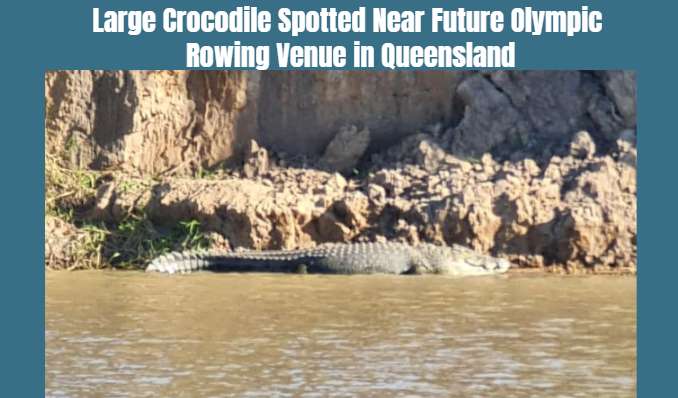
A large crocodile sighting near Rockhampton's proposed Olympic rowing venue has renewed concerns about public safety, wildlife management and the risks...