Large Crocodile Spotted Near Future Olympic Rowing Venue in Queensland
By Chloe · Published 02 Nov 2026 · Updated 02 Nov 2026
Rockhampton, QLD · Queensland News
Safety note: Admin approval is an initial review, not a guarantee that every detail is correct. Check important or urgent claims with official sources and report anything inaccurate or unsafe.
Source and credit: Contributor's own report
Large Crocodile Spotted Near Future Olympic Rowing Venue in Queensland - Rockhampton, QLD
Smart summary
A large crocodile sighting near Rockhampton's proposed Olympic rowing venue has renewed concerns about public safety, wildlife management and the risks associated with Queensland's waterways.
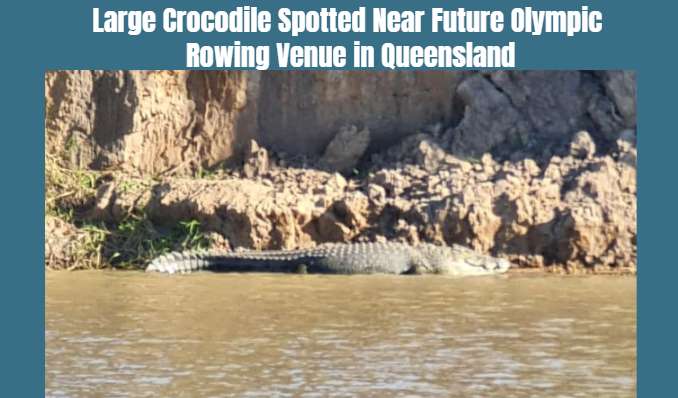
A large crocodile has been spotted near Rockhampton's proposed Olympic rowing venue in Central Queensland, raising fresh questions about wildlife safety and the management of crocodile populations in the region.
The sighting was reported on 2 November 2026 and has attracted attention because the location is being considered for future international sporting activities.
Rockhampton is an important regional centre in Queensland and has been associated with plans to develop facilities for major sporting events. The proposed rowing venue could attract athletes, spectators, officials and visitors from across Australia and overseas.
However, the presence of a large crocodile near the proposed site highlights the challenges of organising water-based sporting events in areas where dangerous wildlife may be present.
Queensland is home to both freshwater and saltwater crocodiles. Saltwater crocodiles are particularly important to monitor because they can inhabit rivers, estuaries, coastal waterways and other connected water systems.
Although crocodile sightings are not unusual in parts of northern and central Queensland, a large animal near a potential sporting venue creates additional safety considerations.
Crocodiles are powerful predators and can remain largely hidden beneath the water's surface. Their presence may not always be obvious to people visiting rivers and other waterways.
The latest sighting has revived discussions about how authorities should manage crocodile populations while allowing communities to continue using natural waterways.
For the proposed Olympic rowing location, wildlife monitoring could become an important part of future planning. Organisers and relevant authorities would need to consider water safety, crocodile detection, public access restrictions and emergency response arrangements before major events could take place.
Queensland's crocodile management program includes public education, monitoring and targeted responses to animals considered dangerous to people.
Residents and visitors are generally advised to follow warning signs, avoid swimming in crocodile habitats and keep away from riverbanks where crocodiles may be present.
The sighting also highlights the importance of balancing environmental protection with public safety. Crocodiles are a protected part of Queensland's natural ecosystem, and wildlife management decisions must consider both conservation and the risks posed to people.
Rockhampton's proposed sporting developments could bring economic opportunities to the region through tourism, accommodation, hospitality and local employment. However, the safety of athletes and visitors will remain a key consideration.
Authorities will need to assess the location carefully and determine whether additional crocodile monitoring or other protective measures are necessary.
The latest report has brought attention to an important issue for Queensland: how communities can safely develop and use waterways while living alongside protected native wildlife.
CrocodileQueenslandCrocodilesProposedSafety
A large crocodile has been spotted near Rockhampton's proposed Olympic rowing venue in Central Queensland, raising fresh questions about wildlife safety and the management of crocodile populations in the region.
The sighting was reported on 2 November 2026 and has attracted attention because the location is being considered for future international sporting activities.
Rockhampton is an important regional centre in Queensland and has been associated with plans to develop facilities for major sporting events. The proposed rowing venue could attract athletes, spectators, officials and visitors from across Australia and overseas.
However, the presence of a large crocodile near the proposed site highlights the challenges of organising water-based sporting events in areas where dangerous wildlife may be present.
Queensland is home to both freshwater and saltwater crocodiles. Saltwater crocodiles are particularly important to monitor because they can inhabit rivers, estuaries, coastal waterways and other connected water systems.
Although crocodile sightings are not unusual in parts of northern and central Queensland, a large animal near a potential sporting venue creates additional safety considerations.
Crocodiles are powerful predators and can remain largely hidden beneath the water's surface. Their presence may not always be obvious to people visiting rivers and other waterways.
The latest sighting has revived discussions about how authorities should manage crocodile populations while allowing communities to continue using natural waterways.
For the proposed Olympic rowing location, wildlife monitoring could become an important part of future planning. Organisers and relevant authorities would need to consider water safety, crocodile detection, public access restrictions and emergency response arrangements before major events could take place.
Queensland's crocodile management program includes public education, monitoring and targeted responses to animals considered dangerous to people.
Residents and visitors are generally advised to follow warning signs, avoid swimming in crocodile habitats and keep away from riverbanks where crocodiles may be present.
The sighting also highlights the importance of balancing environmental protection with public safety. Crocodiles are a protected part of Queensland's natural ecosystem, and wildlife management decisions must consider both conservation and the risks posed to people.
Rockhampton's proposed sporting developments could bring economic opportunities to the region through tourism, accommodation, hospitality and local employment. However, the safety of athletes and visitors will remain a key consideration.
Authorities will need to assess the location carefully and determine whether additional crocodile monitoring or other protective measures are necessary.
The latest report has brought attention to an important issue for Queensland: how communities can safely develop and use waterways while living alongside protected native wildlife.
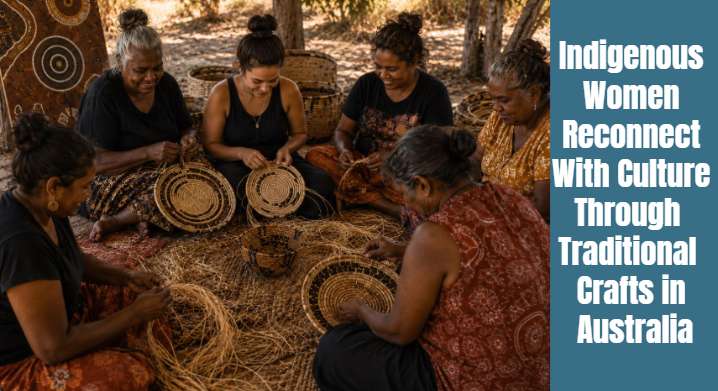
Indigenous women are using traditional weaving and craft-making to strengthen cultural connections, preserve knowledge passed down through generations a...
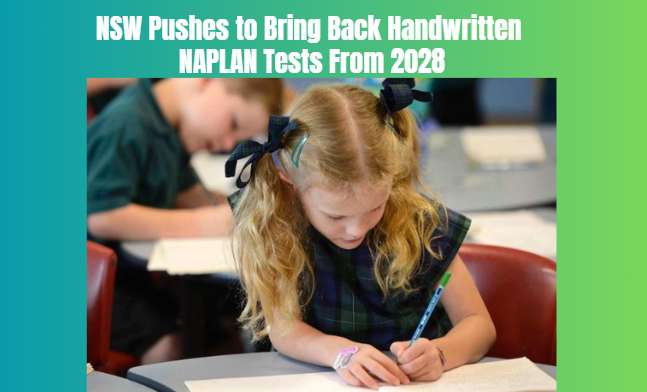
Education experts support New South Wales' proposal to replace computer-based NAPLAN writing tests with traditional pen-and-paper examinations for stude...
A pay dispute involving specialist electricity-market workers has escalated, with Australia's energy operator warning that industrial action could creat...
Work has restarted on a $4.5 million community splash park in central Queensland after wet weather and unexpected ground conditions delayed construction...
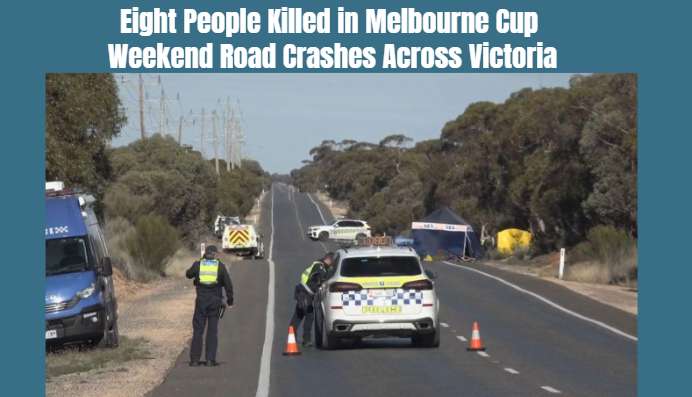
Eight people have died in separate road crashes across Victoria during the Melbourne Cup long weekend, with four of the fatal incidents involving motorc...
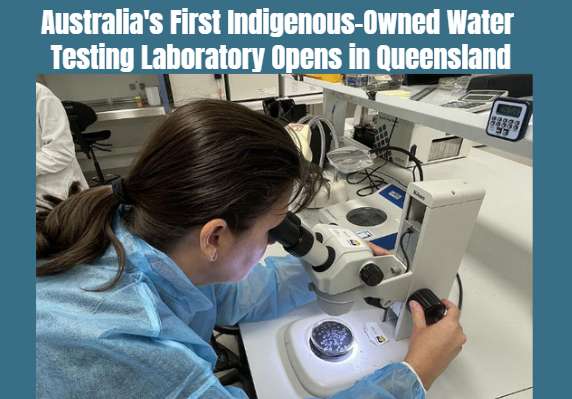
The new laboratory in Bundaberg will allow Indigenous rangers and traditional owner groups to test water locally, strengthening environmental management...
A grandstand collapse at a sold-out music festival on the Gold Coast left three people with minor injuries, prompting an investigation by workplace safe...
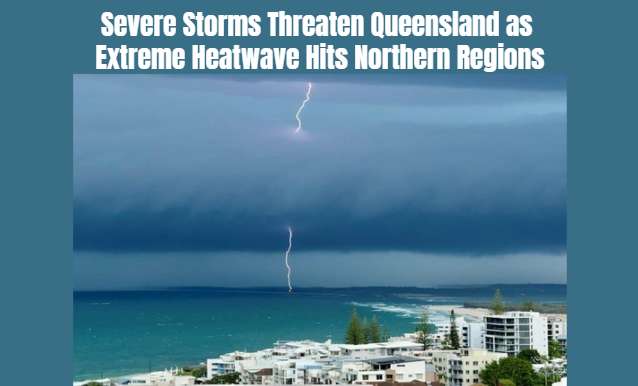
Severe thunderstorms bringing possible large hail, damaging winds and flash flooding are forecast across south-east Queensland, while temperatures in th...
Eight people have died in separate road crashes across Victoria during the Melbourne Cup long weekend, with four of the fatal incidents involving motorc...
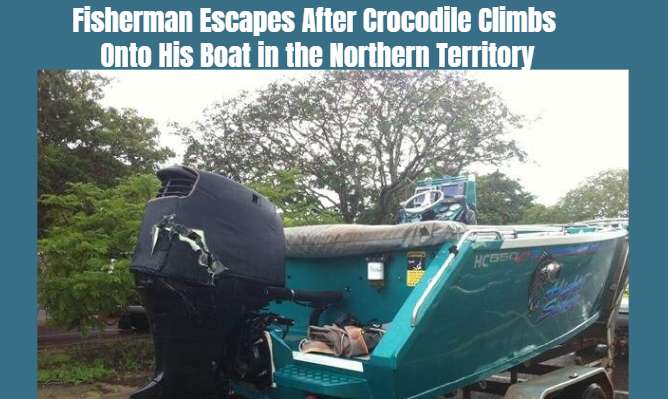
A fisherman escaped unharmed after a large crocodile climbed onto his boat while he was fishing alone on the Mary River, prompting renewed safety warnin...
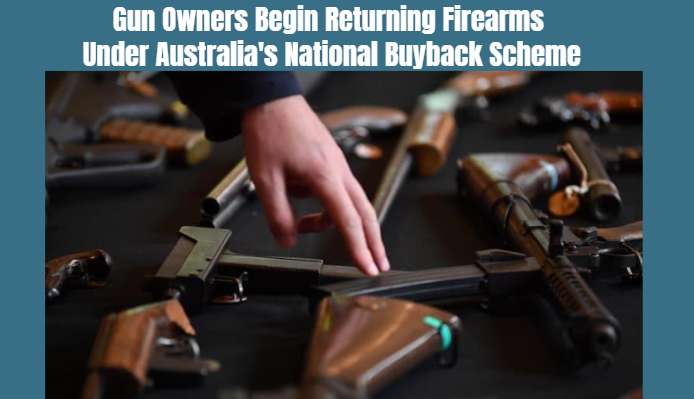
New South Wales has begun accepting firearms under the national gun buyback scheme, but limited appointment availability has created an early challenge...
The new laboratory in Bundaberg will allow Indigenous rangers and traditional owner groups to test water locally, strengthening environmental management...