Indigenous Women Reconnect With Culture Through Traditional Crafts in Australia
By Chloe · Published 02 Nov 2026 · Updated 02 Nov 2026
National, ACT
Safety note: Admin approval is an initial review, not a guarantee that every detail is correct. Check important or urgent claims with official sources and report anything inaccurate or unsafe.
Source and credit: Contributor's own report
Indigenous Women Reconnect With Culture Through Traditional Crafts in Australia - National, ACT
Smart summary
Indigenous women are using traditional weaving and craft-making to strengthen cultural connections, preserve knowledge passed down through generations and bring communities together.
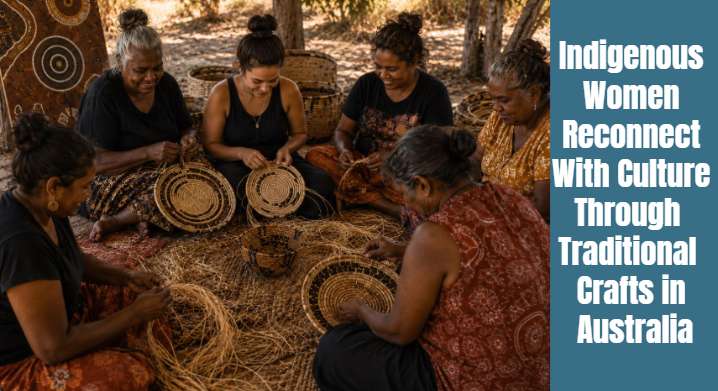
A community-led cultural initiative in Woorabinda, Central Queensland, is helping Aboriginal and Torres Strait Islander women reconnect with their heritage through traditional weaving, jewellery-making, painting and other creative activities.
At the centre of the initiative is Vivianne-Lee Watson, a Wadja Wadja woman who has turned a traditional craft into a way of supporting women in her community. Her journey began approximately seven years ago when she was working at a local women's shelter and was invited to participate in a weaving workshop.
Initially, Watson did not consider herself artistic. However, after learning how to use raffia and a needle, she created her first basket within 24 hours. What began as a simple activity gradually developed into a passion that changed her professional direction.
Earlier in 2026, Watson made the decision to leave her stable full-time employment and concentrate on her weaving business and community workshops.
Over recent months, she has organised free workshops in Woorabinda, an Indigenous community located approximately 170 kilometres south-west of Rockhampton. The activities are open to women interested in learning traditional crafts and connecting with others.
The workshops provide opportunities for participants to learn different techniques, including basket weaving, beadwork, jewellery-making and painting. Women of different ages and backgrounds attend the sessions, creating opportunities for cultural exchange and friendship.
One important aspect of the workshops is the opportunity for older generations to share their knowledge with younger women. Elders who have spent years learning traditional techniques can pass those skills to participants who may not have previously had access to such cultural experiences.
The gatherings have also become informal yarning circles, where women can talk about their experiences, share stories and support one another in a welcoming environment.
Woorabinda resident Annie Asse said the workshops provided a valuable opportunity for women to spend time together without feeling judged. For participants who have recently moved to the community, the activities can also help establish friendships and a stronger sense of belonging.
Veronica Johnson, a Bwgcolman woman who moved to Woorabinda from Palm Island earlier in 2026, said joining the workshops helped her become more confident and connected with other women.
Traditional weaving has a long history among Aboriginal and Torres Strait Islander communities. For thousands of years, Indigenous Australians have used natural materials such as reeds, grasses, bark and other plant resources to create baskets, bags, fishing equipment and other practical objects.
These techniques are more than artistic skills. They represent knowledge about the environment, family traditions and cultural identity that have been passed between generations.
For Watson, sharing these practices is particularly important because weaving has helped her reconnect with different parts of her own family heritage, including her Wadja Wadja and Torres Strait Islander connections.
She has also found special meaning in teaching her two daughters, aged seven and ten, to make traditional crafts. Her eldest daughter has already started creating handmade earrings and recently received a commission from a local health service worker.
The initiative demonstrates how traditional cultural practices can create opportunities for education, community participation and small business development.
By making workshops accessible and welcoming, Watson hopes more women and younger generations will have opportunities to learn skills that might otherwise become less familiar over time.
The Woorabinda workshops show how community-led cultural activities can strengthen relationships, encourage creativity and help preserve Indigenous knowledge for future generations.
WomenTraditionalWorkshopsCulturalWeaving
A community-led cultural initiative in Woorabinda, Central Queensland, is helping Aboriginal and Torres Strait Islander women reconnect with their heritage through traditional weaving, jewellery-making, painting and other creative activities.
At the centre of the initiative is Vivianne-Lee Watson, a Wadja Wadja woman who has turned a traditional craft into a way of supporting women in her community. Her journey began approximately seven years ago when she was working at a local women's shelter and was invited to participate in a weaving workshop.
Initially, Watson did not consider herself artistic. However, after learning how to use raffia and a needle, she created her first basket within 24 hours. What began as a simple activity gradually developed into a passion that changed her professional direction.
Earlier in 2026, Watson made the decision to leave her stable full-time employment and concentrate on her weaving business and community workshops.
Over recent months, she has organised free workshops in Woorabinda, an Indigenous community located approximately 170 kilometres south-west of Rockhampton. The activities are open to women interested in learning traditional crafts and connecting with others.
The workshops provide opportunities for participants to learn different techniques, including basket weaving, beadwork, jewellery-making and painting. Women of different ages and backgrounds attend the sessions, creating opportunities for cultural exchange and friendship.
One important aspect of the workshops is the opportunity for older generations to share their knowledge with younger women. Elders who have spent years learning traditional techniques can pass those skills to participants who may not have previously had access to such cultural experiences.
The gatherings have also become informal yarning circles, where women can talk about their experiences, share stories and support one another in a welcoming environment.
Woorabinda resident Annie Asse said the workshops provided a valuable opportunity for women to spend time together without feeling judged. For participants who have recently moved to the community, the activities can also help establish friendships and a stronger sense of belonging.
Veronica Johnson, a Bwgcolman woman who moved to Woorabinda from Palm Island earlier in 2026, said joining the workshops helped her become more confident and connected with other women.
Traditional weaving has a long history among Aboriginal and Torres Strait Islander communities. For thousands of years, Indigenous Australians have used natural materials such as reeds, grasses, bark and other plant resources to create baskets, bags, fishing equipment and other practical objects.
These techniques are more than artistic skills. They represent knowledge about the environment, family traditions and cultural identity that have been passed between generations.
For Watson, sharing these practices is particularly important because weaving has helped her reconnect with different parts of her own family heritage, including her Wadja Wadja and Torres Strait Islander connections.
She has also found special meaning in teaching her two daughters, aged seven and ten, to make traditional crafts. Her eldest daughter has already started creating handmade earrings and recently received a commission from a local health service worker.
The initiative demonstrates how traditional cultural practices can create opportunities for education, community participation and small business development.
By making workshops accessible and welcoming, Watson hopes more women and younger generations will have opportunities to learn skills that might otherwise become less familiar over time.
The Woorabinda workshops show how community-led cultural activities can strengthen relationships, encourage creativity and help preserve Indigenous knowledge for future generations.
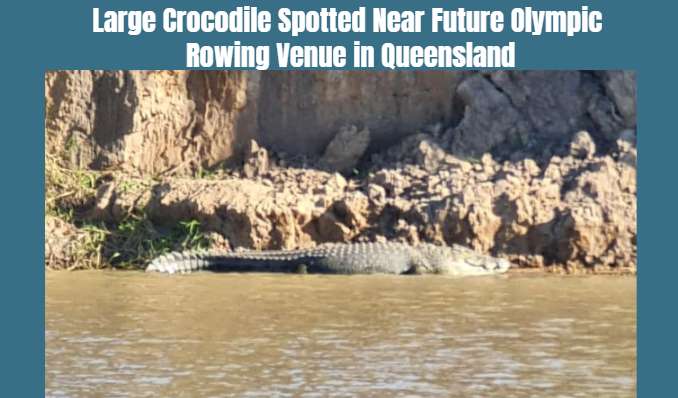
A large crocodile sighting near Rockhampton's proposed Olympic rowing venue has renewed concerns about public safety, wildlife management and the risks...
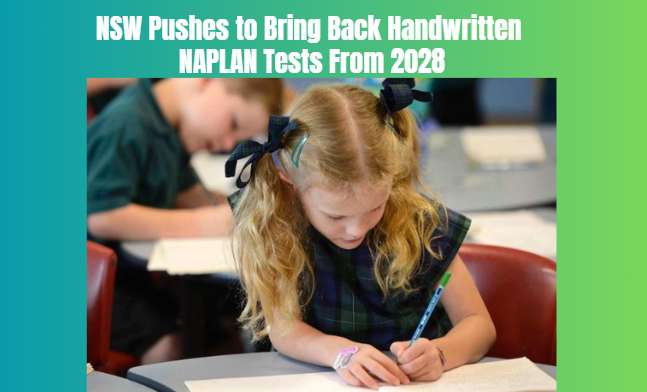
Education experts support New South Wales' proposal to replace computer-based NAPLAN writing tests with traditional pen-and-paper examinations for stude...
A pay dispute involving specialist electricity-market workers has escalated, with Australia's energy operator warning that industrial action could creat...
Work has restarted on a $4.5 million community splash park in central Queensland after wet weather and unexpected ground conditions delayed construction...
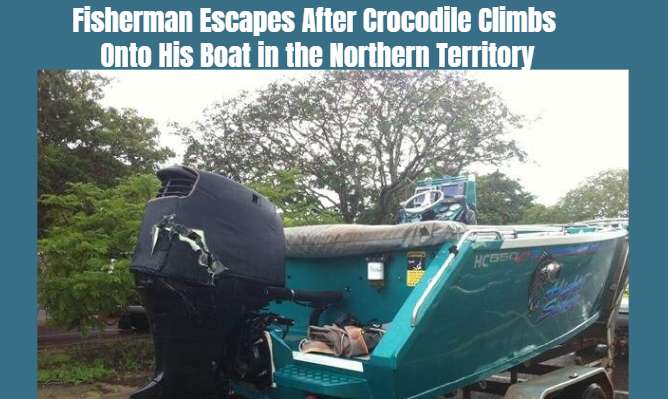
A fisherman escaped unharmed after a large crocodile climbed onto his boat while he was fishing alone on the Mary River, prompting renewed safety warnin...
A filmmaker from Bourke in western New South Wales has taken over leadership of an Indigenous film festival in Paris, creating an opportunity to bring A...
Concerns are growing over the reliability and availability of Australia's public electric vehicle charging network, with thousands of charging points po...
A nationwide survey of 4,000 Australians reveals declining confidence in politicians, growing dissatisfaction with democracy and significant differences...
Eight people have died in separate road crashes across Victoria during the Melbourne Cup long weekend, with four of the fatal incidents involving motorc...
A fisherman escaped unharmed after a large crocodile climbed onto his boat while he was fishing alone on the Mary River, prompting renewed safety warnin...
New South Wales has begun accepting firearms under the national gun buyback scheme, but limited appointment availability has created an early challenge...
The new laboratory in Bundaberg will allow Indigenous rangers and traditional owner groups to test water locally, strengthening environmental management...