Bourke Filmmaker Takes Leadership Role at Indigenous Film Festival in Paris
By Chloe · Published 02 Nov 2026 · Updated 02 Nov 2026
Bourke, NSW
Safety note: Admin approval is an initial review, not a guarantee that every detail is correct. Check important or urgent claims with official sources and report anything inaccurate or unsafe.
Source and credit: Contributor's own report
Bourke Filmmaker Takes Leadership Role at Indigenous Film Festival in Paris - Bourke, NSW
Smart summary
A filmmaker from Bourke in western New South Wales has taken over leadership of an Indigenous film festival in Paris, creating an opportunity to bring Australian First Nations stories to international audiences.
Australian filmmaker and investigative journalist Allan Clarke from Bourke, in far-western New South Wales, has been appointed artistic director of an Indigenous film festival in Paris, France. The appointment is an important opportunity to bring contemporary Aboriginal filmmaking and First Nations perspectives to an international audience.
Clarke is a Muruwari and Gomeroi filmmaker whose work focuses on Indigenous identity, cultural representation and the experiences of Aboriginal communities. Growing up in far-western NSW, he experienced negative portrayals of Indigenous people in mainstream media. These experiences influenced his interest in filmmaking and investigative journalism.
He is now working to challenge stereotypes by presenting more authentic and complex stories about Aboriginal Australians.
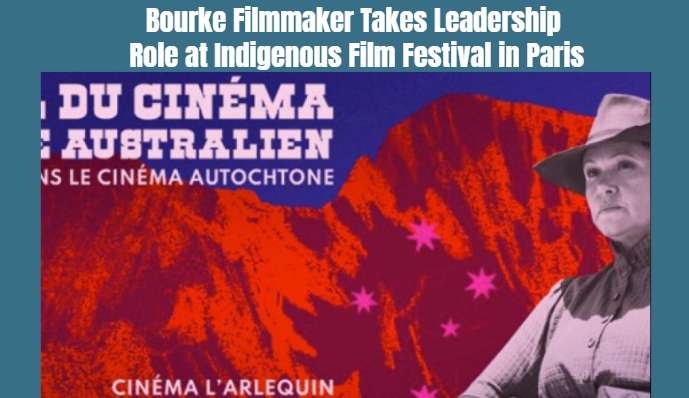
Clarke will lead the artistic direction of the 11th annual Festival du Cinéma Aborigène Australien, which is scheduled to take place in Paris from 4 to 6 December 2026.
The festival provides a platform for Australian First Nations filmmakers to showcase their work outside Australia. It also gives international audiences an opportunity to learn about Aboriginal history, contemporary experiences, cultural traditions and social issues through cinema.
The festival will be hosted at the Cinémas l'Arlequin and Reflet Médicis venues in Paris.
This year's theme is Kinetic, Tradition in Motion: Cinema in Revolt. The theme highlights the relationship between cultural traditions and contemporary creative expression, encouraging filmmakers to explore new approaches to storytelling.
Clarke's appointment is particularly significant because Indigenous filmmakers have historically faced challenges in gaining international recognition and securing opportunities to present their stories to global audiences.
For many First Nations filmmakers, cinema is not simply entertainment. It is also a way to preserve cultural knowledge, communicate community experiences and challenge inaccurate representations.
Clarke wants international audiences to understand Aboriginal stories from the perspectives of the people who experience them. His work aims to move beyond familiar stereotypes and present the diversity of modern Indigenous Australian life.
Festival founder Greta Morton-Elangué has also emphasised the importance of bringing First Nations cinema to international audiences.
The event is expected to create opportunities for cultural exchange between Australian filmmakers, French audiences and the wider international film community.
For Bourke and the surrounding communities in western NSW, Clarke's international appointment represents an opportunity to highlight regional Australian creative talent.
His leadership also demonstrates how filmmakers from smaller regional communities can contribute to important international cultural events.
The festival's December program will provide a platform for contemporary Aboriginal filmmaking and encourage conversations about identity, history, cultural continuity and representation.
Clarke's appointment marks another important step in increasing the international visibility of Australian First Nations cinema.
InternationalClarkeCulturalFestivalAboriginal
Australian filmmaker and investigative journalist Allan Clarke from Bourke, in far-western New South Wales, has been appointed artistic director of an Indigenous film festival in Paris, France. The appointment is an important opportunity to bring contemporary Aboriginal filmmaking and First Nations perspectives to an international audience.
Clarke is a Muruwari and Gomeroi filmmaker whose work focuses on Indigenous identity, cultural representation and the experiences of Aboriginal communities. Growing up in far-western NSW, he experienced negative portrayals of Indigenous people in mainstream media. These experiences influenced his interest in filmmaking and investigative journalism.
He is now working to challenge stereotypes by presenting more authentic and complex stories about Aboriginal Australians.
Clarke will lead the artistic direction of the 11th annual Festival du Cinéma Aborigène Australien, which is scheduled to take place in Paris from 4 to 6 December 2026.
The festival provides a platform for Australian First Nations filmmakers to showcase their work outside Australia. It also gives international audiences an opportunity to learn about Aboriginal history, contemporary experiences, cultural traditions and social issues through cinema.
The festival will be hosted at the Cinémas l'Arlequin and Reflet Médicis venues in Paris.
This year's theme is Kinetic, Tradition in Motion: Cinema in Revolt. The theme highlights the relationship between cultural traditions and contemporary creative expression, encouraging filmmakers to explore new approaches to storytelling.
Clarke's appointment is particularly significant because Indigenous filmmakers have historically faced challenges in gaining international recognition and securing opportunities to present their stories to global audiences.
For many First Nations filmmakers, cinema is not simply entertainment. It is also a way to preserve cultural knowledge, communicate community experiences and challenge inaccurate representations.
Clarke wants international audiences to understand Aboriginal stories from the perspectives of the people who experience them. His work aims to move beyond familiar stereotypes and present the diversity of modern Indigenous Australian life.
Festival founder Greta Morton-Elangué has also emphasised the importance of bringing First Nations cinema to international audiences.
The event is expected to create opportunities for cultural exchange between Australian filmmakers, French audiences and the wider international film community.
For Bourke and the surrounding communities in western NSW, Clarke's international appointment represents an opportunity to highlight regional Australian creative talent.
His leadership also demonstrates how filmmakers from smaller regional communities can contribute to important international cultural events.
The festival's December program will provide a platform for contemporary Aboriginal filmmaking and encourage conversations about identity, history, cultural continuity and representation.
Clarke's appointment marks another important step in increasing the international visibility of Australian First Nations cinema.
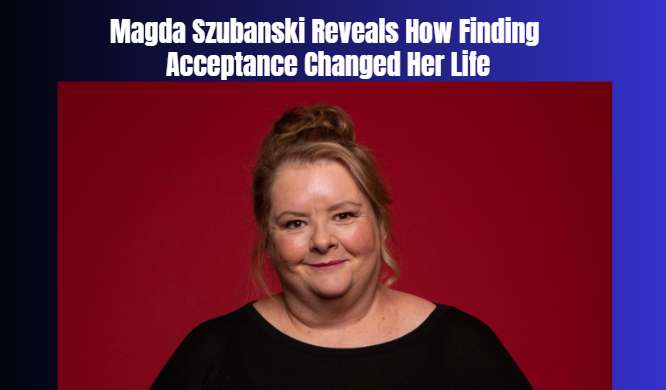
Australian comedian and actor Magda Szubanski has spoken about the isolation she experienced while growing up and how finding a supportive community hel...
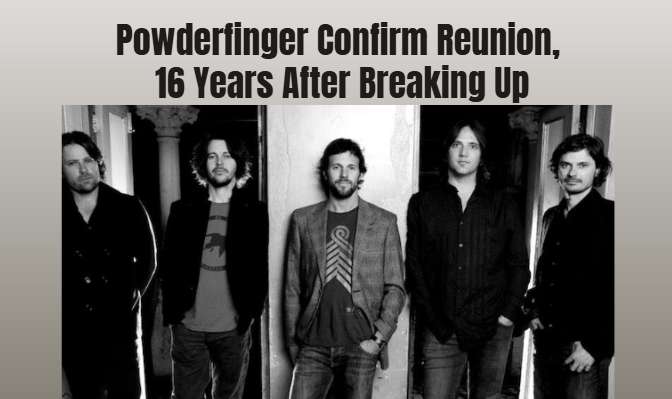
Australian rock band Powderfinger has confirmed it is reuniting 16 years after announcing its split, bringing one of the country's best-known music acts...
Darwin-based Aboriginal hip-hop artist Yung Milla has been crowned the winner of The Voice Australia 2026 after receiving audience votes across the coun...
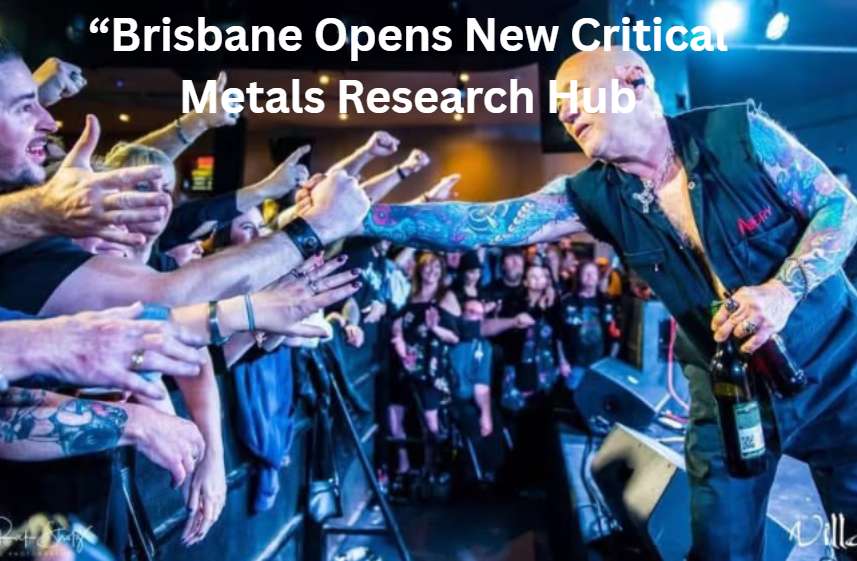
Rose Tattoo frontman Gary “Angry” Anderson has died at 79 after a five-decade career spanning Australian rock music, television, film and youth advocacy.
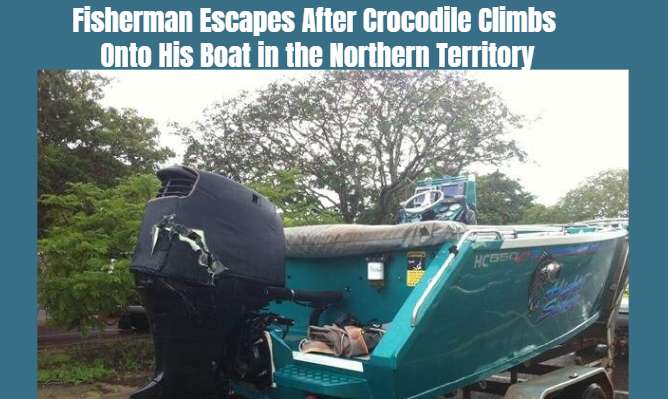
A fisherman escaped unharmed after a large crocodile climbed onto his boat while he was fishing alone on the Mary River, prompting renewed safety warnin...
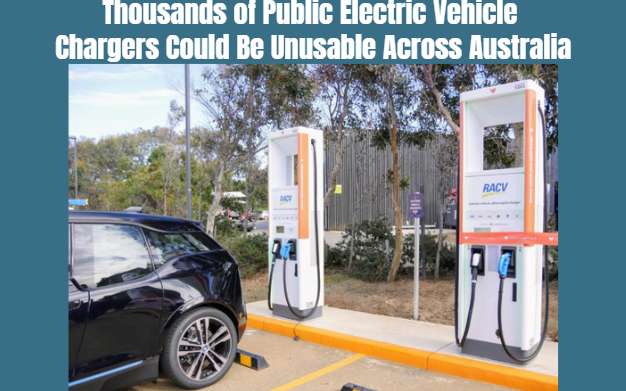
Concerns are growing over the reliability and availability of Australia's public electric vehicle charging network, with thousands of charging points po...
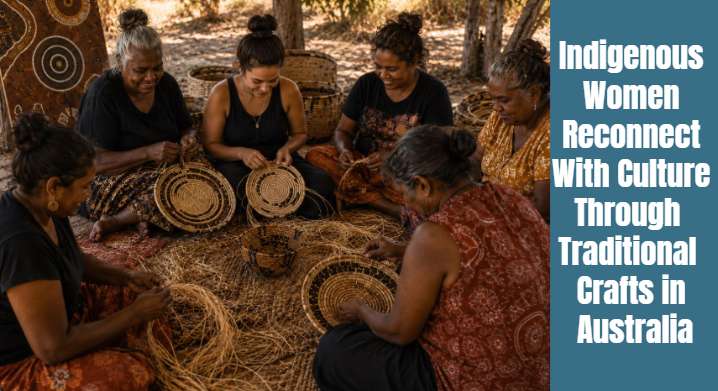
Indigenous women are using traditional weaving and craft-making to strengthen cultural connections, preserve knowledge passed down through generations a...
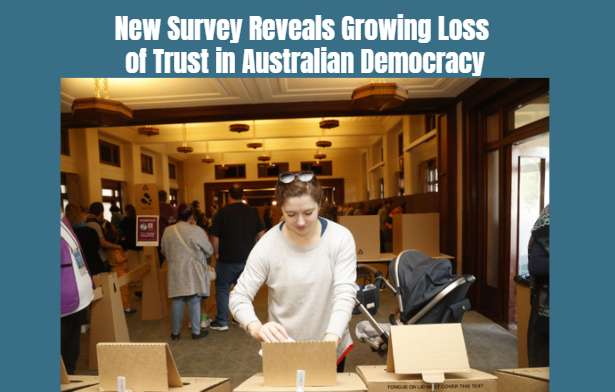
A nationwide survey of 4,000 Australians reveals declining confidence in politicians, growing dissatisfaction with democracy and significant differences...
Eight people have died in separate road crashes across Victoria during the Melbourne Cup long weekend, with four of the fatal incidents involving motorc...
A fisherman escaped unharmed after a large crocodile climbed onto his boat while he was fishing alone on the Mary River, prompting renewed safety warnin...
New South Wales has begun accepting firearms under the national gun buyback scheme, but limited appointment availability has created an early challenge...
The new laboratory in Bundaberg will allow Indigenous rangers and traditional owner groups to test water locally, strengthening environmental management...