Magda Szubanski Reveals How Finding Acceptance Changed Her Life
By Chloe · Published 24 Oct 2026 · Updated 24 Oct 2026
Melbourne, VIC · Victoria News
Safety note: Admin approval is an initial review, not a guarantee that every detail is correct. Check important or urgent claims with official sources and report anything inaccurate or unsafe.
Source and credit: Contributor's own report
Magda Szubanski Reveals How Finding Acceptance Changed Her Life - Melbourne, VIC
Smart summary
Australian comedian and actor Magda Szubanski has spoken about the isolation she experienced while growing up and how finding a supportive community helped her through a difficult period in her early life.
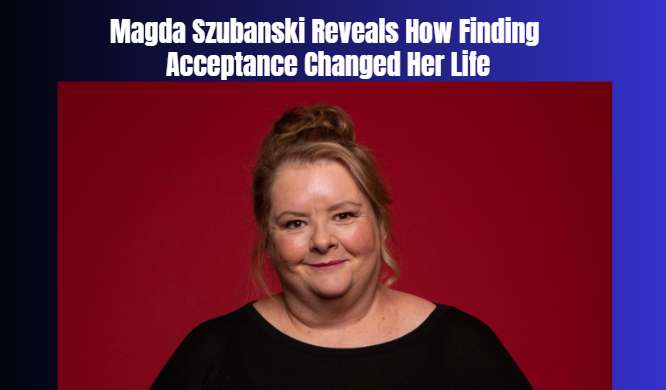
Australian comedian and actor Magda Szubanski has shared how finding acceptance and a supportive community helped her overcome the isolation she experienced while growing up. In an interview published on 24 October 2026, she reflected on her early life, her career in entertainment, her advocacy for marriage equality and her recent experience with cancer.
Szubanski is widely recognised for playing Sharon Strzelecki in the popular Australian television comedy Kath & Kim. Her career has also included stage performances, films and other television programs. However, behind her public success, she experienced significant personal challenges as a young person who struggled to accept her sexuality in a society where homosexuality was heavily stigmatised.
Raised in a practising Catholic family with a Polish father and Scottish mother, Szubanski grew up hearing negative messages about homosexuality. She described the fear she experienced when she realised she was gay, worrying about rejection and feeling unable to share an important part of herself with those closest to her.
During her teenage years, she became increasingly withdrawn because she was afraid her family might discover her secret. Eventually, she confided in her sister when the emotional pressure became overwhelming. That support was an important first step, although she continued to feel uncertain about telling the rest of her family.
A major turning point came when Szubanski began studying at the University of Melbourne. Through the university's Women's Room, she found a community where she felt accepted and safe. She has described that experience as life-changing because it helped her move beyond the shame and isolation that had affected her earlier years.
Her experiences later influenced her public advocacy for LGBTQIA+ rights and marriage equality. In February 2012, she publicly spoke about her sexuality on television during Australia's renewed debate over same-sex marriage. Her appearance helped bring wider attention to the personal impact of discrimination and the importance of equal rights.
When Australians voted in favour of marriage equality in 2017, Szubanski celebrated the result as an important step towards safety and acceptance. She has also spoken about the practical importance of legal recognition, including ensuring that people can care for their partners during serious illness and difficult moments at the end of life.
More recently, Szubanski faced another major challenge after being diagnosed with stage-four mantle cell lymphoma in May 2025. She described reaching out to friends and family immediately after receiving the diagnosis, drawing on the support network she had developed throughout her life.
In the October 2026 interview, she said she was in deep remission following chemotherapy. Although she continued to experience physical weakness during recovery, she described feeling stronger emotionally and reconnecting with her usual personality.
Her story highlights the importance of community, acceptance and meaningful personal relationships during difficult periods. It also demonstrates how support from others can make a difference when people face discrimination, isolation or serious illness.
Szubanski's reflections offer a personal perspective on the connection between belonging and wellbeing, while reinforcing the value of creating communities where people can live openly without fear of rejection.
SzubanskiDuringWhenAcceptanceDescribed
Australian comedian and actor Magda Szubanski has shared how finding acceptance and a supportive community helped her overcome the isolation she experienced while growing up. In an interview published on 24 October 2026, she reflected on her early life, her career in entertainment, her advocacy for marriage equality and her recent experience with cancer.
Szubanski is widely recognised for playing Sharon Strzelecki in the popular Australian television comedy Kath & Kim. Her career has also included stage performances, films and other television programs. However, behind her public success, she experienced significant personal challenges as a young person who struggled to accept her sexuality in a society where homosexuality was heavily stigmatised.
Raised in a practising Catholic family with a Polish father and Scottish mother, Szubanski grew up hearing negative messages about homosexuality. She described the fear she experienced when she realised she was gay, worrying about rejection and feeling unable to share an important part of herself with those closest to her.
During her teenage years, she became increasingly withdrawn because she was afraid her family might discover her secret. Eventually, she confided in her sister when the emotional pressure became overwhelming. That support was an important first step, although she continued to feel uncertain about telling the rest of her family.
A major turning point came when Szubanski began studying at the University of Melbourne. Through the university's Women's Room, she found a community where she felt accepted and safe. She has described that experience as life-changing because it helped her move beyond the shame and isolation that had affected her earlier years.
Her experiences later influenced her public advocacy for LGBTQIA+ rights and marriage equality. In February 2012, she publicly spoke about her sexuality on television during Australia's renewed debate over same-sex marriage. Her appearance helped bring wider attention to the personal impact of discrimination and the importance of equal rights.
When Australians voted in favour of marriage equality in 2017, Szubanski celebrated the result as an important step towards safety and acceptance. She has also spoken about the practical importance of legal recognition, including ensuring that people can care for their partners during serious illness and difficult moments at the end of life.
More recently, Szubanski faced another major challenge after being diagnosed with stage-four mantle cell lymphoma in May 2025. She described reaching out to friends and family immediately after receiving the diagnosis, drawing on the support network she had developed throughout her life.
In the October 2026 interview, she said she was in deep remission following chemotherapy. Although she continued to experience physical weakness during recovery, she described feeling stronger emotionally and reconnecting with her usual personality.
Her story highlights the importance of community, acceptance and meaningful personal relationships during difficult periods. It also demonstrates how support from others can make a difference when people face discrimination, isolation or serious illness.
Szubanski's reflections offer a personal perspective on the connection between belonging and wellbeing, while reinforcing the value of creating communities where people can live openly without fear of rejection.
Australian rock band Powderfinger has confirmed it is reuniting 16 years after announcing its split, bringing one of the country's best-known music acts...
Darwin-based Aboriginal hip-hop artist Yung Milla has been crowned the winner of The Voice Australia 2026 after receiving audience votes across the coun...
Rose Tattoo frontman Gary “Angry” Anderson has died at 79 after a five-decade career spanning Australian rock music, television, film and youth advocacy.
The American singer has cancelled his six scheduled Australia and New Zealand arena shows in November, with ticket holders set to receive automatic refu...
Shipra Saini, an Indian citizen living in Ballarat, Victoria, says she must return to India before the end of October despite still needing to settle he...
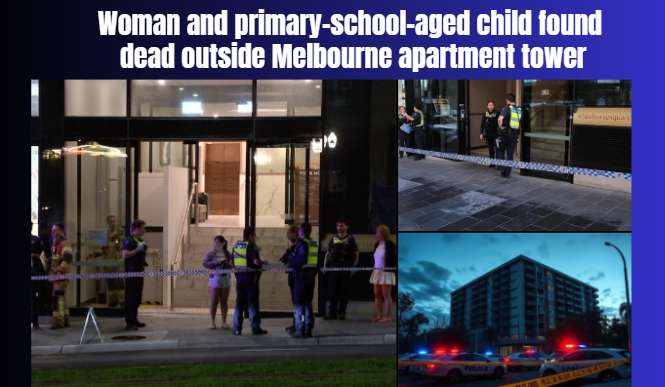
Victoria Police are investigating after a woman and a young child were found unresponsive outside an apartment building in Box Hill, in Melbourne’s east...
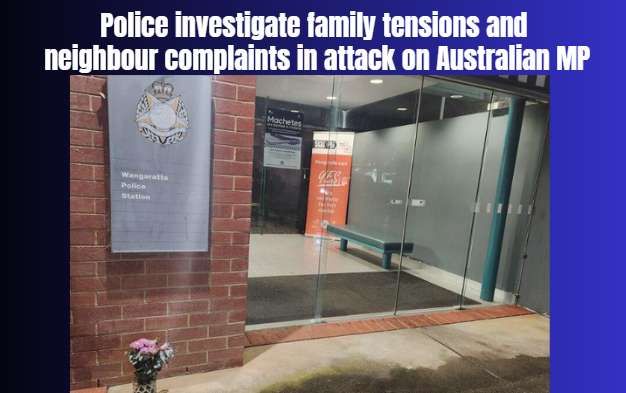
Victoria Police are examining the accused man's family relationships and previous interactions with neighbours as part of their investigation into the a...
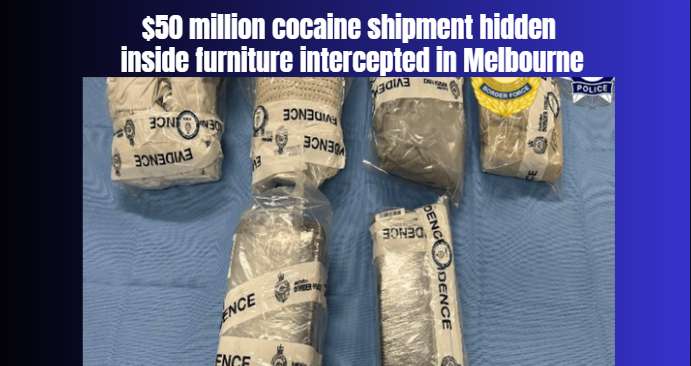
Australian authorities have charged three people after allegedly discovering 120 kilograms of cocaine concealed inside furniture shipped from Greece to...
Shipra Saini, an Indian citizen living in Ballarat, Victoria, says she must return to India before the end of October despite still needing to settle he...
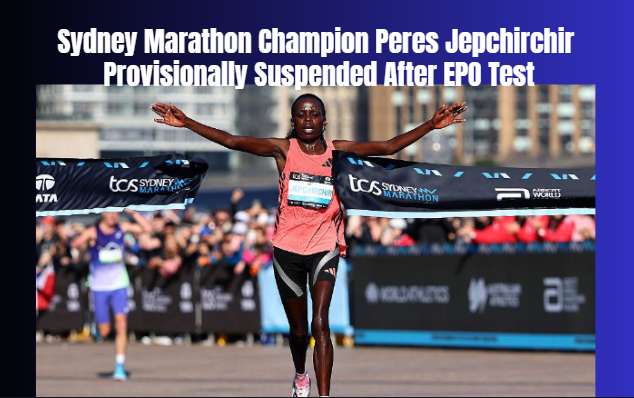
Kenyan marathon star Peres Jepchirchir has received a provisional suspension after an out-of-competition sample tested positive for the banned substance...
A large sperm whale carcass has been buried near Turners Beach after the animal stranded on Tasmania’s north-west coast, raising concerns about environm...
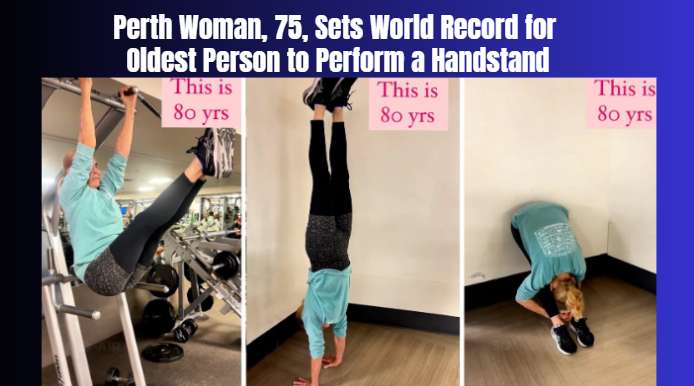
A 75-year-old Perth woman has achieved a remarkable fitness milestone by becoming the oldest person to perform a handstand, demonstrating that strength...