Indian Woman Faces Visa Deadline While Settling Late Brother’s Estate in Australia
By Chloe · Published 24 Oct 2026 · Updated 24 Oct 2026
Ballarat, VIC · Victoria News
Safety note: Admin approval is an initial review, not a guarantee that every detail is correct. Check important or urgent claims with official sources and report anything inaccurate or unsafe.
Source and credit: Contributor's own report
Indian Woman Faces Visa Deadline While Settling Late Brother’s Estate in Australia - Ballarat, VIC
Smart summary
Shipra Saini, an Indian citizen living in Ballarat, Victoria, says she must return to India before the end of October despite still needing to settle her late brother’s estate. She has criticised Australia’s visa proc...
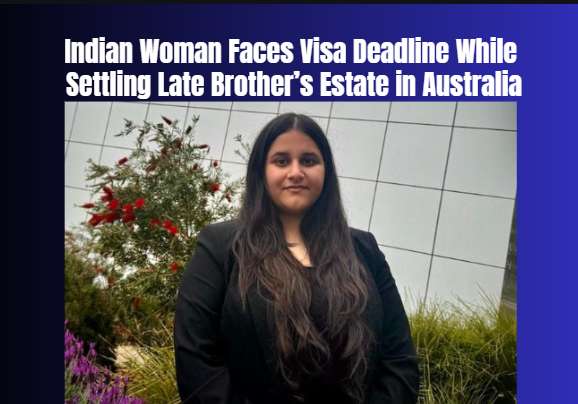
Shipra Saini travelled from Delhi to Australia in 2025 to care for her brother, who was seriously ill. After he died from a brain haemorrhage on 1 November 2025, she took responsibility for managing his affairs and settling his estate in Ballarat. What began as a family responsibility has become a difficult combination of grief, legal paperwork, financial pressure and an approaching visa deadline.
Settling the estate requires several steps, including obtaining a death certificate, securing a grant of probate, selling her brother’s home and belongings, arranging the shipment of possessions to India, opening an estate bank account and paying outstanding expenses. Any remaining assets must then be distributed appropriately.
Saini said the process had taken longer than expected, particularly because some steps depended on legal and property procedures outside her control. She had been advised by her solicitor that she might need another six months to complete the work.
In August 2026, she applied for additional time, supported by a letter from her solicitor. However, her request was declined, leaving her original visa deadline of 30 October in place.
The visa condition attached to her stay, known as condition 8503 or the “No Further Stay” condition, generally prevents holders from applying for most other visas while in Australia unless a waiver is granted. The Department of Home Affairs says a waiver requires compelling and compassionate circumstances that developed beyond the visa holder’s control and resulted in a major change in circumstances.
Saini believes the time needed to complete probate and sell a property should have been considered when her application was assessed. She also said the uncertainty had affected the sale of her brother’s home, as she felt pressured to accept an offer rather than wait for a potentially better one.
The financial burden has added to her difficulties. Because of restrictions on her ability to work under her visa, she said she had relied on a loan to meet living expenses and estimated that she had spent more than $40,000 on visa applications and related costs.
She now plans to return to India while parts of the estate remain unresolved. This means she may be unable to attend a memorial service for her brother in November, be present for the property settlement or complete certain employment-related financial matters in person. She expects to continue dealing with outstanding responsibilities remotely with assistance from her solicitor.
The Department of Home Affairs declined to comment on her individual case, citing privacy reasons.
Immigration lawyer Jordan Tew said people administering a deceased relative’s estate can face circumstances quite different from those of visitors seeking extra time for leisure or work. He argued that estate administration, particularly selling property, can take much longer than anticipated and called for flexibility in cases involving compelling and compassionate circumstances.
Saini’s experience highlights the practical challenges that can arise when immigration deadlines collide with bereavement and legal responsibilities. Her case also illustrates the importance of understanding visa conditions and seeking qualified legal advice when circumstances change during a stay in Australia.
VisaEstateBrotherCircumstancesHome
Shipra Saini travelled from Delhi to Australia in 2025 to care for her brother, who was seriously ill. After he died from a brain haemorrhage on 1 November 2025, she took responsibility for managing his affairs and settling his estate in Ballarat. What began as a family responsibility has become a difficult combination of grief, legal paperwork, financial pressure and an approaching visa deadline.
Settling the estate requires several steps, including obtaining a death certificate, securing a grant of probate, selling her brother’s home and belongings, arranging the shipment of possessions to India, opening an estate bank account and paying outstanding expenses. Any remaining assets must then be distributed appropriately.
Saini said the process had taken longer than expected, particularly because some steps depended on legal and property procedures outside her control. She had been advised by her solicitor that she might need another six months to complete the work.
In August 2026, she applied for additional time, supported by a letter from her solicitor. However, her request was declined, leaving her original visa deadline of 30 October in place.
The visa condition attached to her stay, known as condition 8503 or the “No Further Stay” condition, generally prevents holders from applying for most other visas while in Australia unless a waiver is granted. The Department of Home Affairs says a waiver requires compelling and compassionate circumstances that developed beyond the visa holder’s control and resulted in a major change in circumstances.
Saini believes the time needed to complete probate and sell a property should have been considered when her application was assessed. She also said the uncertainty had affected the sale of her brother’s home, as she felt pressured to accept an offer rather than wait for a potentially better one.
The financial burden has added to her difficulties. Because of restrictions on her ability to work under her visa, she said she had relied on a loan to meet living expenses and estimated that she had spent more than $40,000 on visa applications and related costs.
She now plans to return to India while parts of the estate remain unresolved. This means she may be unable to attend a memorial service for her brother in November, be present for the property settlement or complete certain employment-related financial matters in person. She expects to continue dealing with outstanding responsibilities remotely with assistance from her solicitor.
The Department of Home Affairs declined to comment on her individual case, citing privacy reasons.
Immigration lawyer Jordan Tew said people administering a deceased relative’s estate can face circumstances quite different from those of visitors seeking extra time for leisure or work. He argued that estate administration, particularly selling property, can take much longer than anticipated and called for flexibility in cases involving compelling and compassionate circumstances.
Saini’s experience highlights the practical challenges that can arise when immigration deadlines collide with bereavement and legal responsibilities. Her case also illustrates the importance of understanding visa conditions and seeking qualified legal advice when circumstances change during a stay in Australia.
A large sperm whale carcass has been buried near Turners Beach after the animal stranded on Tasmania’s north-west coast, raising concerns about environm...
A 75-year-old Perth woman has achieved a remarkable fitness milestone by becoming the oldest person to perform a handstand, demonstrating that strength...
A community group is offering free vegetarian noodles cooked on induction equipment to demonstrate that households can move away from gas cooking withou...
An unconventional mosaic featuring sequins, high heels and discarded beauty items is bringing a celebrated Australian drag performer’s image into the wo...
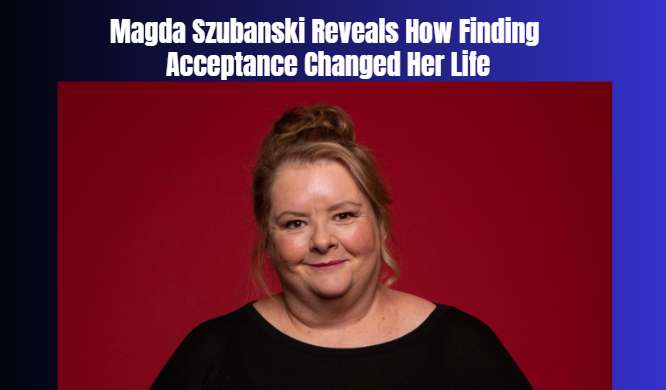
Australian comedian and actor Magda Szubanski has spoken about the isolation she experienced while growing up and how finding a supportive community hel...
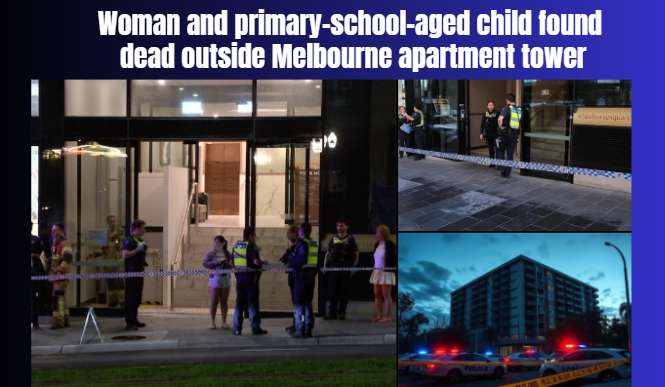
Victoria Police are investigating after a woman and a young child were found unresponsive outside an apartment building in Box Hill, in Melbourne’s east...
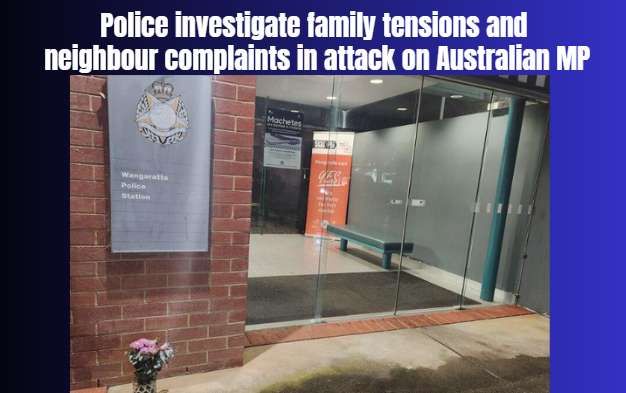
Victoria Police are examining the accused man's family relationships and previous interactions with neighbours as part of their investigation into the a...
Australian authorities have charged three people after allegedly discovering 120 kilograms of cocaine concealed inside furniture shipped from Greece to...
A new flight from Sydney to the Gold Coast is drawing attention to a journey that began eight decades ago, connecting Australia’s aviation history with...
Kenyan marathon star Peres Jepchirchir has received a provisional suspension after an out-of-competition sample tested positive for the banned substance...
A large sperm whale carcass has been buried near Turners Beach after the animal stranded on Tasmania’s north-west coast, raising concerns about environm...
A 75-year-old Perth woman has achieved a remarkable fitness milestone by becoming the oldest person to perform a handstand, demonstrating that strength...