Safety note: Admin approval is an initial review, not a guarantee that every detail is correct. Check important or urgent claims with official sources and report anything inaccurate or unsafe.
Source and credit: Contributor's own report
Australian Rock Legend Angry Anderson Dies Aged 79 - Melbourne, VIC
Smart summary
Rose Tattoo frontman Gary “Angry” Anderson has died at 79 after a five-decade career spanning Australian rock music, television, film and youth advocacy.
Australian rock singer Gary “Angry” Anderson, the longtime frontman of Rose Tattoo, has died aged 79. His family and bandmates announced his death on 23 September 2026, saying he died on Monday surrounded by loved ones in Australia.
Anderson had spent around 50 years at the centre of Australia's rock music scene. He became widely recognised as the lead singer of Rose Tattoo, a hard-rock band formed in the 1970s that became an important part of Australia's pub-rock culture.
The singer was born Gary Stephen Anderson in Melbourne on 5 August 1947. His musical career began before Rose Tattoo, including a period with Buster Brown, a band that also featured future AC/DC drummer Phil Rudd.
Anderson joined Rose Tattoo in 1976 and remained closely associated with the group for the rest of his career. The band's music included songs such as “Bad Boy for Love”, “Rock 'n' Roll Outlaw” and “We Can't Be Beaten”. Rose Tattoo went on to build an international following while maintaining a strong connection with Australia's rock music community.
The band was inducted into the ARIA Hall of Fame in 2006, recognising its contribution to Australian music. Anderson remained the longest-serving central member of Rose Tattoo as the group went through multiple changes to its lineup over the decades.
Anderson also achieved success outside the band. His solo career included the song “Suddenly”, which became a major hit in Australia and internationally during the 1980s. The song reached No. 2 in Australia and No. 3 in the United Kingdom.
His career extended into acting and television as well. Anderson appeared as Ironbar Bassey in the 1985 film Mad Max Beyond Thunderdome and later made appearances in Australian television and film productions.
Beyond entertainment, Anderson was involved in charity and youth advocacy. He was appointed a Member of the Order of Australia in 1993 for his community work, particularly his contribution to youth advocacy.
His death follows a medical emergency earlier in the year. Anderson suffered a cardiac arrest while Rose Tattoo was touring Europe, after which the band cancelled the remainder of its European tour. The group had been planning further Australian performances later in 2026.
Rose Tattoo and Anderson's family asked for privacy following his death and said they would not be giving interviews while they grieved.
News of Anderson's death prompted coverage across Australian and international music media, reflecting his long career and influence on the country's rock scene. He remained associated with Rose Tattoo for five decades, making his career one of the longer-running frontman partnerships in Australian rock.
Anderson's musical legacy includes his work with Rose Tattoo, his solo recording career and his appearances in film and television. His contribution also extended beyond entertainment through his community and youth advocacy work.
He leaves behind a body of work that spans several generations of Australian music, from the development of the country's hard-rock scene in the 1970s to Rose Tattoo's later tours and recordings.
AndersonRoseTattooCareerRock
Australian rock singer Gary “Angry” Anderson, the longtime frontman of Rose Tattoo, has died aged 79. His family and bandmates announced his death on 23 September 2026, saying he died on Monday surrounded by loved ones in Australia.
Anderson had spent around 50 years at the centre of Australia's rock music scene. He became widely recognised as the lead singer of Rose Tattoo, a hard-rock band formed in the 1970s that became an important part of Australia's pub-rock culture.
The singer was born Gary Stephen Anderson in Melbourne on 5 August 1947. His musical career began before Rose Tattoo, including a period with Buster Brown, a band that also featured future AC/DC drummer Phil Rudd.
Anderson joined Rose Tattoo in 1976 and remained closely associated with the group for the rest of his career. The band's music included songs such as “Bad Boy for Love”, “Rock 'n' Roll Outlaw” and “We Can't Be Beaten”. Rose Tattoo went on to build an international following while maintaining a strong connection with Australia's rock music community.
The band was inducted into the ARIA Hall of Fame in 2006, recognising its contribution to Australian music. Anderson remained the longest-serving central member of Rose Tattoo as the group went through multiple changes to its lineup over the decades.
Anderson also achieved success outside the band. His solo career included the song “Suddenly”, which became a major hit in Australia and internationally during the 1980s. The song reached No. 2 in Australia and No. 3 in the United Kingdom.
His career extended into acting and television as well. Anderson appeared as Ironbar Bassey in the 1985 film Mad Max Beyond Thunderdome and later made appearances in Australian television and film productions.
Beyond entertainment, Anderson was involved in charity and youth advocacy. He was appointed a Member of the Order of Australia in 1993 for his community work, particularly his contribution to youth advocacy.
His death follows a medical emergency earlier in the year. Anderson suffered a cardiac arrest while Rose Tattoo was touring Europe, after which the band cancelled the remainder of its European tour. The group had been planning further Australian performances later in 2026.
Rose Tattoo and Anderson's family asked for privacy following his death and said they would not be giving interviews while they grieved.
News of Anderson's death prompted coverage across Australian and international music media, reflecting his long career and influence on the country's rock scene. He remained associated with Rose Tattoo for five decades, making his career one of the longer-running frontman partnerships in Australian rock.
Anderson's musical legacy includes his work with Rose Tattoo, his solo recording career and his appearances in film and television. His contribution also extended beyond entertainment through his community and youth advocacy work.
He leaves behind a body of work that spans several generations of Australian music, from the development of the country's hard-rock scene in the 1970s to Rose Tattoo's later tours and recordings.
The American singer has cancelled his six scheduled Australia and New Zealand arena shows in November, with ticket holders set to receive automatic refu...
A 65-year-old Melbourne man has been arrested by counter-terrorism police, who allege he pledged allegiance to ISIS and distributed thousands of violent...
A 17-year-old has been sentenced to two years and nine months in detention for his role in a violent home invasion in Melbourne's east that left a man w...
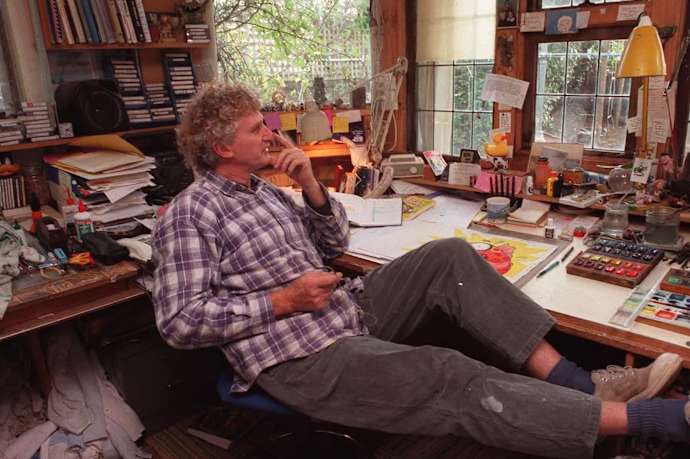
Australian children's author and illustrator Terry Denton, best known for his long-running creative partnership on the popular Treehouse books, has died...
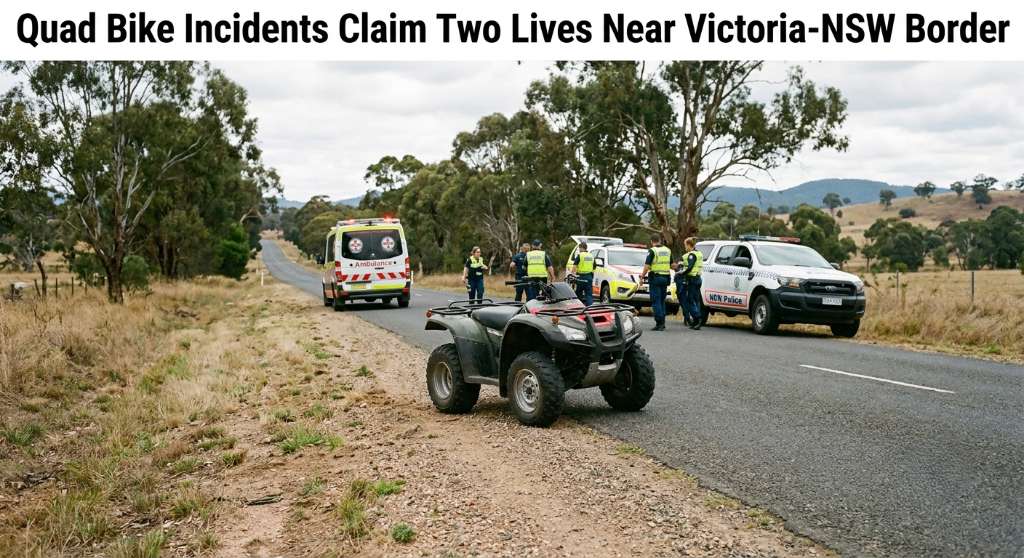
A 42-year-old man has died after a quad bike crash near Wodonga, while another fatal quad bike incident was recorded in regional New South Wales within...
A Chinese private processor has purchased 68,000 tonnes of new-season Australian canola for shipment in March, marking the first known private-sector pu...
A new Cooperative Research Centre based at the University of Queensland's Brisbane city campus will bring researchers, industry and government together...
A British traveller was left behind at a remote South Australian roadside stop after her Greyhound bus departed during a scheduled overnight break near...
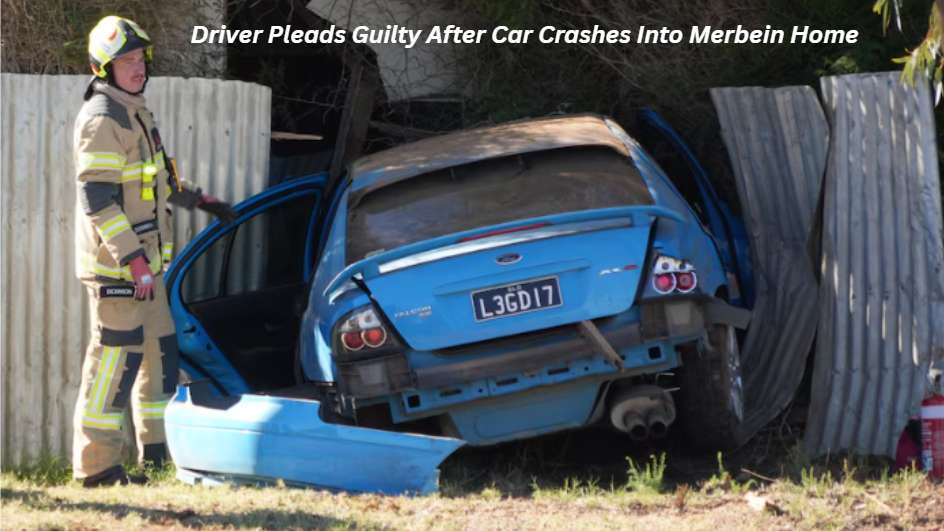
A Victorian man has pleaded guilty to multiple driving offences after crashing through a power pole and into a Merbein home, causing more than $180,000...