Five AI-Powered Bushfire Cameras Planned for Gippsland
By Chloe · Published 04 Nov 2026 · Updated 04 Nov 2026
Traralgon, VIC · Victoria News
Safety note: Admin approval is an initial review, not a guarantee that every detail is correct. Check important or urgent claims with official sources and report anything inaccurate or unsafe.
Source and credit: Contributor's own report
Five AI-Powered Bushfire Cameras Planned for Gippsland - Traralgon, VIC
Smart summary
Five artificial intelligence-powered cameras are expected to be installed across Gippsland ahead of the 2027 fire season, helping emergency services detect bushfires earlier.
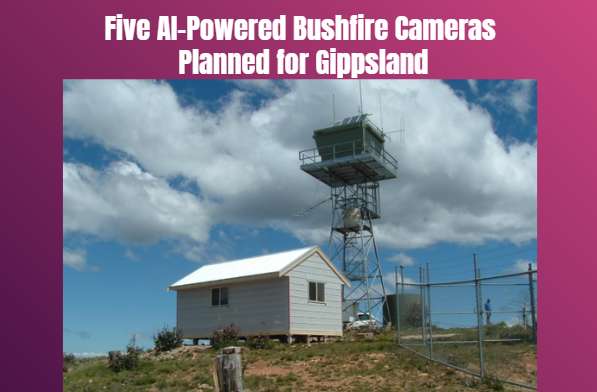
Gippsland is set to receive five artificial intelligence-powered bushfire detection cameras as part of an expansion of technology designed to help emergency services identify fires more quickly.
The cameras are expected to be installed ahead of Victoria's 2027 fire season. They will provide continuous monitoring of surrounding landscapes, scanning for visible signs of smoke and fire throughout the day and night.
The technology is intended to give emergency services an additional way to identify potential bushfires, particularly in areas where fires may begin far from populated communities. Early detection can be important because a small fire can spread rapidly when weather conditions are hot, dry or windy.
Unlike traditional monitoring that relies heavily on people observing the landscape, AI-powered systems can continuously analyse camera images and identify unusual changes that may indicate smoke or flames. When a possible fire is detected, the information can help alert relevant authorities so that the situation can be checked and an appropriate response considered.
The Gippsland installations form part of a wider effort by the Victorian government and industry organisations to expand technology-based fire detection across the state.
HVP Plantations Gippsland regional manager Troy Sawyer said the cameras would help protect communities and essential infrastructure. The technology is expected to support monitoring in areas where plantations, forests, roads and other assets may be exposed to bushfire risks.
Gippsland contains extensive areas of forest and plantation land, along with regional towns and important transport connections. During the fire season, incidents in remote areas can be difficult to observe from populated locations. Continuous camera monitoring may help reduce the time between a fire starting and authorities becoming aware of it.
The cameras are not intended to replace firefighters, emergency call systems or existing fire surveillance methods. Instead, they are expected to provide another source of information that can support decision-making. Any automated detection still needs to be assessed, as weather conditions, dust, cloud and other environmental factors can sometimes resemble smoke.
The introduction of AI monitoring also reflects the growing role of technology in emergency management. Similar systems can help authorities observe large areas more consistently and provide information that may be difficult to collect through manual monitoring alone.
For residents, the planned installation is a potentially important addition to regional fire preparedness. Earlier identification of a fire may give emergency services more time to investigate, assess risks and organise resources.
The five cameras are expected to be operational for the 2027 fire season. Their effectiveness will depend on camera placement, monitoring arrangements and how quickly alerts can be verified and acted upon.
The project highlights how technology is increasingly being used to support bushfire prevention and community safety across regional Victoria.
FireMonitoringCamerasAreasEmergency
Gippsland is set to receive five artificial intelligence-powered bushfire detection cameras as part of an expansion of technology designed to help emergency services identify fires more quickly.
The cameras are expected to be installed ahead of Victoria's 2027 fire season. They will provide continuous monitoring of surrounding landscapes, scanning for visible signs of smoke and fire throughout the day and night.
The technology is intended to give emergency services an additional way to identify potential bushfires, particularly in areas where fires may begin far from populated communities. Early detection can be important because a small fire can spread rapidly when weather conditions are hot, dry or windy.
Unlike traditional monitoring that relies heavily on people observing the landscape, AI-powered systems can continuously analyse camera images and identify unusual changes that may indicate smoke or flames. When a possible fire is detected, the information can help alert relevant authorities so that the situation can be checked and an appropriate response considered.
The Gippsland installations form part of a wider effort by the Victorian government and industry organisations to expand technology-based fire detection across the state.
HVP Plantations Gippsland regional manager Troy Sawyer said the cameras would help protect communities and essential infrastructure. The technology is expected to support monitoring in areas where plantations, forests, roads and other assets may be exposed to bushfire risks.
Gippsland contains extensive areas of forest and plantation land, along with regional towns and important transport connections. During the fire season, incidents in remote areas can be difficult to observe from populated locations. Continuous camera monitoring may help reduce the time between a fire starting and authorities becoming aware of it.
The cameras are not intended to replace firefighters, emergency call systems or existing fire surveillance methods. Instead, they are expected to provide another source of information that can support decision-making. Any automated detection still needs to be assessed, as weather conditions, dust, cloud and other environmental factors can sometimes resemble smoke.
The introduction of AI monitoring also reflects the growing role of technology in emergency management. Similar systems can help authorities observe large areas more consistently and provide information that may be difficult to collect through manual monitoring alone.
For residents, the planned installation is a potentially important addition to regional fire preparedness. Earlier identification of a fire may give emergency services more time to investigate, assess risks and organise resources.
The five cameras are expected to be operational for the 2027 fire season. Their effectiveness will depend on camera placement, monitoring arrangements and how quickly alerts can be verified and acted upon.
The project highlights how technology is increasingly being used to support bushfire prevention and community safety across regional Victoria.
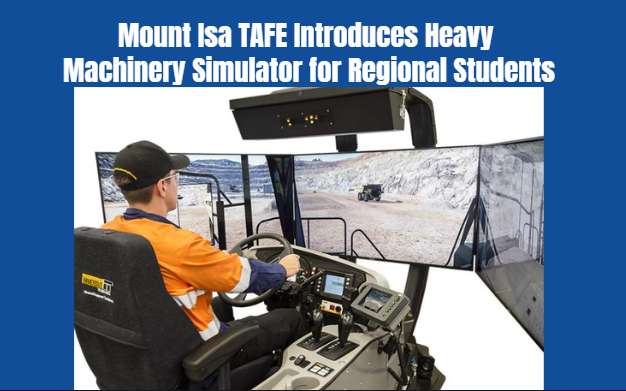
New training technology at Mount Isa TAFE is giving students the opportunity to experience mining, construction and transport machinery before entering...
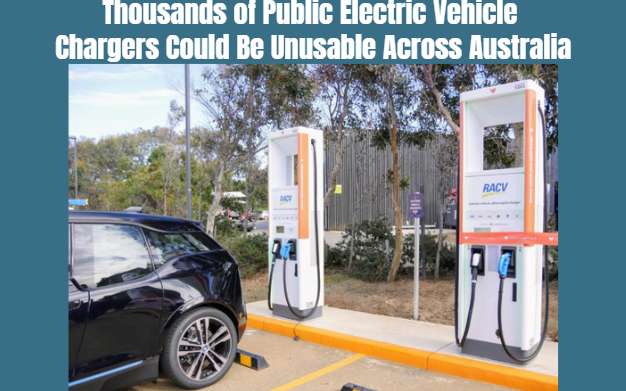
Concerns are growing over the reliability and availability of Australia's public electric vehicle charging network, with thousands of charging points po...
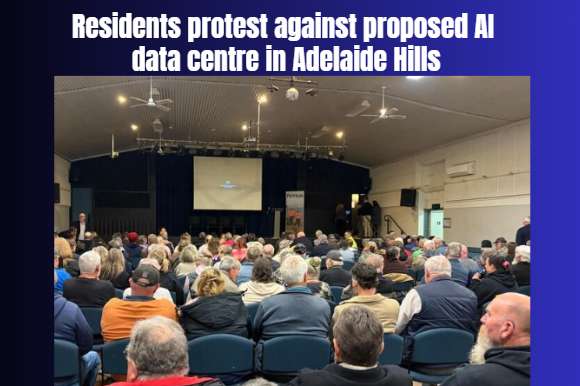
Residents have rallied against a proposed 1,200-megawatt artificial intelligence data centre near Tungkillo, raising concerns about water supplies, land...
Students at the University of New South Wales are learning how artificial intelligence bots operate, how to identify them online and how to reduce their...
A proposed new suburb around 100 kilometres from Melbourne is expected to accommodate up to 13,000 people, as Victoria continues planning for future hou...
Australia's iconic department store retailer David Jones is facing renewed financial scrutiny amid concerns about its business outlook, while its lender...
Australian all-rounder Glenn Maxwell ends his international career after representing Australia in 286 matches, but will continue playing franchise T20...
Victorian Police have arrested eight people following an alleged group assault involving an off-duty police officer, prompting a criminal investigation.
Residents near Orange in regional New South Wales are calling for dust testing on four unsealed roads amid concerns about naturally occurring asbestos.
A local resident has called for better lighting along a coastal walkway in Geraldton after a woman was assaulted in the area, renewing concerns about sa...
Regional leaders have called for action on deteriorating roads, water security and essential services during a meeting with Queensland ministers and sen...
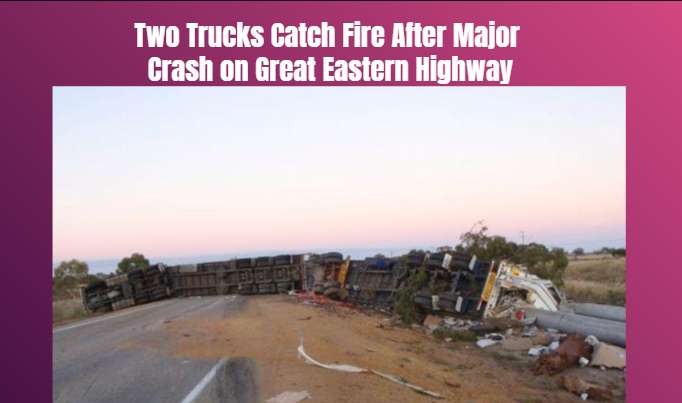
A collision involving two heavy vehicles has closed part of the Great Eastern Highway near Meckering in Western Australia's Wheatbelt, prompting an emer...