Residents protest against proposed AI data centre in Adelaide Hills
By Chloe · Published 31 Oct 2026 · Updated 31 Oct 2026
Adelaide, SA · South Australia News
Safety note: Admin approval is an initial review, not a guarantee that every detail is correct. Check important or urgent claims with official sources and report anything inaccurate or unsafe.
Source and credit: Contributor's own report
Residents protest against proposed AI data centre in Adelaide Hills - Adelaide, SA
Smart summary
Residents have rallied against a proposed 1,200-megawatt artificial intelligence data centre near Tungkillo, raising concerns about water supplies, land use, noise and the impact on surrounding communities.
Residents in South Australia's Adelaide Hills region have organised protests against a proposed large-scale artificial intelligence data centre, saying the development could place pressure on local land, water resources and the surrounding rural environment.
The project, proposed by technology infrastructure company Quantum DC, would involve a 1,200-megawatt hyperscale data centre across approximately 120 hectares on Collins Road near Tungkillo. The proposed site is about 41 kilometres east of Adelaide's central business district.
The development would also include supporting energy infrastructure. The company has indicated that the first stage of construction could begin in 2028, subject to planning approvals and the completion of consultation with the community.
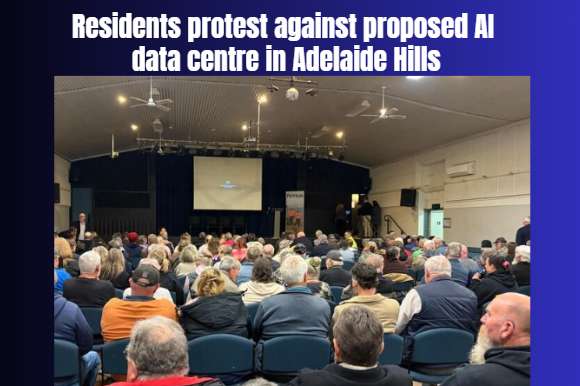
Opposition to the proposal has grown among residents of Tungkillo and nearby towns. On Saturday, 31 October, community members gathered at a public rally in Mannum to express their concerns. The protest followed another local meeting held in Tungkillo earlier in the week.
Residents have raised questions about the amount of land required for the development and its possible effects on nearby agricultural activities and rural lifestyles. They are also concerned about noise and light pollution from a large industrial facility operating close to their properties.
Local organiser Magdalene Lippett said residents intended to continue opposing the proposal through available legal and planning processes. Community representatives have stressed that their concerns are about the scale and location of the proposed facility rather than opposition to all new technology or infrastructure.
The company had originally planned two community consultation sessions during the week but postponed them until late November, citing safety concerns. The sessions are now scheduled for November 20 and 21.
Quantum DC chief executive Alby Tomassi said the company respected the community's concerns and wanted to hear residents' views before submitting a formal development application.
He said approximately 80 per cent of the facility's electricity requirements would be supplied through two on-site substations connected to existing Electra Net power lines, supported by solar and wind energy contracts.
The proposal also includes an on-site gas-fired power station to provide additional electricity when required. Tomassi said the facility would use captured and recirculated rainwater and would not draw water from the nearby River Murray or existing groundwater reserves.
The proposal has attracted attention from several South Australian political parties. Representatives from the Liberal Party, Greens and One Nation attended the community rally and expressed support for residents seeking further scrutiny of the project.
Greens leader Robert Simms called for a pause on new data centre developments in the state, while Liberal representatives said community concerns should be considered during the planning process.
South Australia's Planning Minister Nick Champion said any formal application would be assessed through the state's planning system, including examination of its electricity and water requirements.
No formal development application has yet been lodged. The company plans to conduct community consultation before deciding how to proceed.
The dispute highlights the growing challenge of balancing Australia's demand for artificial intelligence infrastructure with local concerns about land, energy, water and environmental impacts.
CommunityResidentsConcernsWouldCompany
Residents in South Australia's Adelaide Hills region have organised protests against a proposed large-scale artificial intelligence data centre, saying the development could place pressure on local land, water resources and the surrounding rural environment.
The project, proposed by technology infrastructure company Quantum DC, would involve a 1,200-megawatt hyperscale data centre across approximately 120 hectares on Collins Road near Tungkillo. The proposed site is about 41 kilometres east of Adelaide's central business district.
The development would also include supporting energy infrastructure. The company has indicated that the first stage of construction could begin in 2028, subject to planning approvals and the completion of consultation with the community.
Opposition to the proposal has grown among residents of Tungkillo and nearby towns. On Saturday, 31 October, community members gathered at a public rally in Mannum to express their concerns. The protest followed another local meeting held in Tungkillo earlier in the week.
Residents have raised questions about the amount of land required for the development and its possible effects on nearby agricultural activities and rural lifestyles. They are also concerned about noise and light pollution from a large industrial facility operating close to their properties.
Local organiser Magdalene Lippett said residents intended to continue opposing the proposal through available legal and planning processes. Community representatives have stressed that their concerns are about the scale and location of the proposed facility rather than opposition to all new technology or infrastructure.
The company had originally planned two community consultation sessions during the week but postponed them until late November, citing safety concerns. The sessions are now scheduled for November 20 and 21.
Quantum DC chief executive Alby Tomassi said the company respected the community's concerns and wanted to hear residents' views before submitting a formal development application.
He said approximately 80 per cent of the facility's electricity requirements would be supplied through two on-site substations connected to existing Electra Net power lines, supported by solar and wind energy contracts.
The proposal also includes an on-site gas-fired power station to provide additional electricity when required. Tomassi said the facility would use captured and recirculated rainwater and would not draw water from the nearby River Murray or existing groundwater reserves.
The proposal has attracted attention from several South Australian political parties. Representatives from the Liberal Party, Greens and One Nation attended the community rally and expressed support for residents seeking further scrutiny of the project.
Greens leader Robert Simms called for a pause on new data centre developments in the state, while Liberal representatives said community concerns should be considered during the planning process.
South Australia's Planning Minister Nick Champion said any formal application would be assessed through the state's planning system, including examination of its electricity and water requirements.
No formal development application has yet been lodged. The company plans to conduct community consultation before deciding how to proceed.
The dispute highlights the growing challenge of balancing Australia's demand for artificial intelligence infrastructure with local concerns about land, energy, water and environmental impacts.
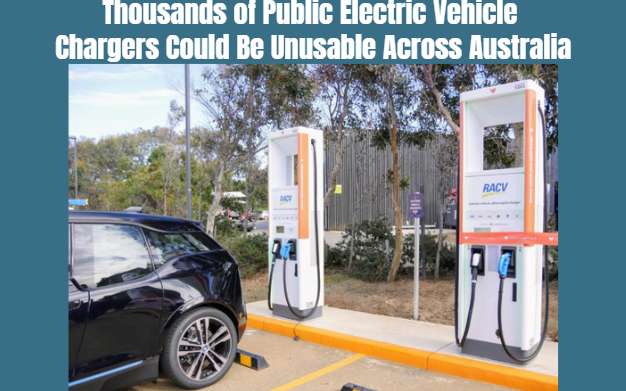
Concerns are growing over the reliability and availability of Australia's public electric vehicle charging network, with thousands of charging points po...
Students at the University of New South Wales are learning how artificial intelligence bots operate, how to identify them online and how to reduce their...
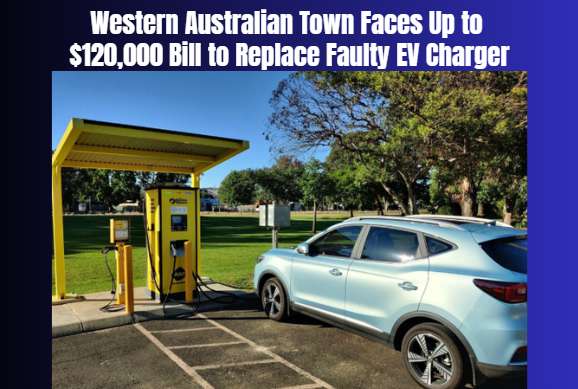
The Shire of Harvey is weighing the cost of repairing its only public electric-vehicle charging station as ageing infrastructure puts pressure on local...
Publishers are considering how to protect human authors as generative artificial intelligence produces more written content, while concerns grow over fa...
South Australian health authorities report 22 meningococcal disease cases this year and urge eligible residents to receive vaccination as contact tracin...
South Australian detectives have arrested a second man over a series of alleged business break-ins, thefts and property damage incidents across metropol...
South Australian police are investigating a fatal shooting in Firle after officers responding to reports of a woman allegedly armed with an axe opened f...
A new Adelaide City Council policy banning oil, coal and gas advertising has sparked a dispute over climate action and the future of the Santos-sponsore...
Eight people have died in separate road crashes across Victoria during the Melbourne Cup long weekend, with four of the fatal incidents involving motorc...
A fisherman escaped unharmed after a large crocodile climbed onto his boat while he was fishing alone on the Mary River, prompting renewed safety warnin...
New South Wales has begun accepting firearms under the national gun buyback scheme, but limited appointment availability has created an early challenge...
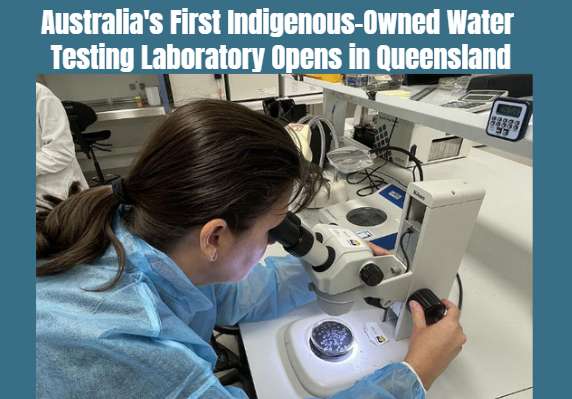
The new laboratory in Bundaberg will allow Indigenous rangers and traditional owner groups to test water locally, strengthening environmental management...