Western Australian Town Faces Up to $120,000 Bill to Replace Faulty EV Charger
By Chloe · Published 29 Oct 2026 · Updated 29 Oct 2026
Harvey, WA
Safety note: Admin approval is an initial review, not a guarantee that every detail is correct. Check important or urgent claims with official sources and report anything inaccurate or unsafe.
Source and credit: Contributor's own report
Western Australian Town Faces Up to $120,000 Bill to Replace Faulty EV Charger - Harvey, WA
Smart summary
The Shire of Harvey is weighing the cost of repairing its only public electric-vehicle charging station as ageing infrastructure puts pressure on local councils and raises concerns about charging access for regional t...
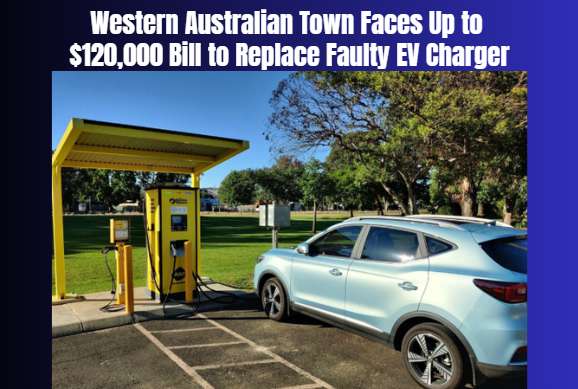
The Shire of Harvey in Western Australia is facing a major financial challenge after its only public electric-vehicle charging station developed faults, with replacing and upgrading the equipment estimated to cost between $50,000 and $120,000.
The issue was reported on Thursday, 29 October 2026, as communities along Western Australia's original electric highway struggle to maintain ageing charging infrastructure. The network was launched in 2015 to improve long-distance electric-vehicle travel, with charging stations connecting locations between Monkey Mia and Esperance.
The charging station in Harvey, approximately 140 kilometres south of Perth, was installed in 2015. After years of operation, the equipment now requires repairs and potential replacement. The situation has raised concerns about whether small local governments should be responsible for the substantial costs of maintaining infrastructure that supports regional tourism and the transition to electric vehicles.
The Shire of Harvey has decided to spend approximately $4,000 on a short-term repair rather than immediately remove the faulty charger. The council is considering its longer-term options while trying to keep the facility available to motorists.
Deputy Shire President Craig Carbone said the estimated replacement cost was beyond what local government should reasonably be expected to manage. He expressed concern that infrastructure introduced through a broader initiative could leave councils responsible for significant ongoing expenses once the original arrangements end.
The problem follows the withdrawal of insurer RAC from the charging network project in 2025, after approximately a decade of involvement. Responsibility for maintaining and managing the remaining infrastructure subsequently shifted towards local councils and private operators.
Western Australia's Energy Minister, Amber-Jade Sanderson, said the state government had helped establish the network but expected local governments and private businesses to take greater responsibility for its continued operation. The state contributed more than $23 million to the network as part of a $43 million electric-vehicle infrastructure subsidy package.
The growth in electric-vehicle ownership has increased pressure on charging facilities. Western Australia had approximately 150 licensed electric vehicles when the first chargers were installed in 2015. That figure had risen to more than 60,000 by June 2026, creating greater demand for reliable charging options across the state.
The challenges are not limited to Harvey. In Busselton and Dunsborough, local councils have removed chargers from waterfront areas, although private operators have established alternative charging facilities at shopping centres. Bridgetown's original RAC charger has also been taken over by a private operator. Travellers in other parts of Western Australia have reported equipment faults and concerns about charging capacity.
Local businesses are worried that unreliable charging infrastructure could discourage electric-vehicle owners from visiting smaller towns. Harvey caravan park manager James Corby has argued that maintaining a dependable charging point helps keep the town attractive to passing motorists and visitors.
The situation highlights the financial and practical difficulties of maintaining public infrastructure as technology changes. While establishing charging stations can encourage electric-vehicle adoption, keeping them operational requires funding for repairs, equipment upgrades and ongoing maintenance.
For regional communities, reliable charging facilities can support tourism, provide services to residents and help connect smaller towns with larger centres. The outcome in Harvey may therefore have implications for other councils managing ageing electric-vehicle infrastructure.
As of 29 October 2026, the Shire of Harvey was pursuing a short-term repair while considering longer-term arrangements. The division of responsibility between state government, councils and private operators remains a central issue in maintaining Western Australia's electric highway.
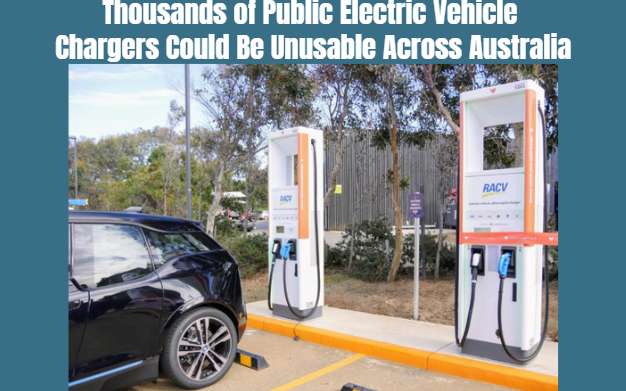
Concerns are growing over the reliability and availability of Australia's public electric vehicle charging network, with thousands of charging points po...
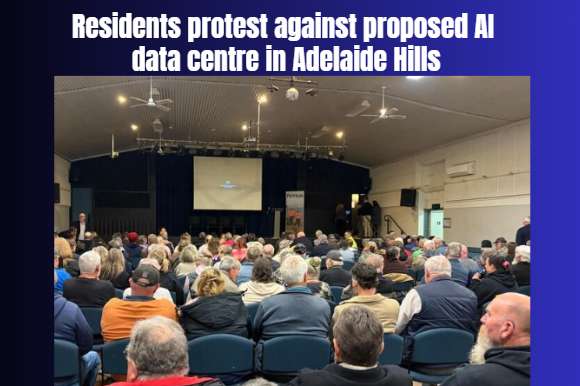
Residents have rallied against a proposed 1,200-megawatt artificial intelligence data centre near Tungkillo, raising concerns about water supplies, land...
Students at the University of New South Wales are learning how artificial intelligence bots operate, how to identify them online and how to reduce their...
Publishers are considering how to protect human authors as generative artificial intelligence produces more written content, while concerns grow over fa...
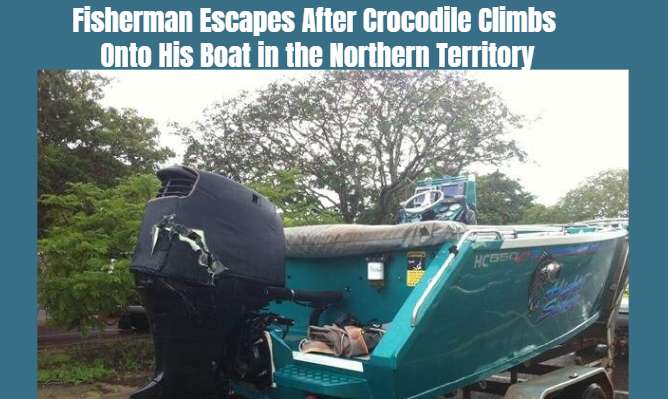
A fisherman escaped unharmed after a large crocodile climbed onto his boat while he was fishing alone on the Mary River, prompting renewed safety warnin...
A filmmaker from Bourke in western New South Wales has taken over leadership of an Indigenous film festival in Paris, creating an opportunity to bring A...
Concerns are growing over the reliability and availability of Australia's public electric vehicle charging network, with thousands of charging points po...
Indigenous women are using traditional weaving and craft-making to strengthen cultural connections, preserve knowledge passed down through generations a...
Eight people have died in separate road crashes across Victoria during the Melbourne Cup long weekend, with four of the fatal incidents involving motorc...
A fisherman escaped unharmed after a large crocodile climbed onto his boat while he was fishing alone on the Mary River, prompting renewed safety warnin...
New South Wales has begun accepting firearms under the national gun buyback scheme, but limited appointment availability has created an early challenge...