Australian Publishers Debate How to Detect AI-Written Books
By Chloe · Published 28 Oct 2026 · Updated 28 Oct 2026
National, ACT
Safety note: Admin approval is an initial review, not a guarantee that every detail is correct. Check important or urgent claims with official sources and report anything inaccurate or unsafe.
Source and credit: Contributor's own report
Australian Publishers Debate How to Detect AI-Written Books - National, ACT
Smart summary
Publishers are considering how to protect human authors as generative artificial intelligence produces more written content, while concerns grow over false accusations and copyright protections.
Australia’s publishing industry is confronting a difficult question as generative artificial intelligence becomes more widely used in writing: how can publishers identify AI-generated books without unfairly accusing human authors?
Publishers are increasingly concerned that AI tools can produce large volumes of text quickly, potentially competing with work written by people. The issue raises questions about authorship, copyright, transparency and how readers can trust that the books they purchase reflect the work of human writers.
Some publishers are examining AI-detection software and other methods to assess manuscripts. These tools attempt to identify patterns associated with machine-generated writing, but their results are not always reliable. Human writing can sometimes be incorrectly flagged as AI-generated, while text produced by AI may escape detection, particularly after extensive editing.
That uncertainty creates a particular challenge for emerging authors. Established writers often have a substantial body of published work that can help demonstrate their writing style. New authors may not have that history, leaving them more vulnerable to questions about whether their manuscripts are genuinely their own.
Researchers have warned that AI-detection systems should not be treated as definitive evidence. A false positive could damage an author's reputation, undermine a publishing opportunity or discourage a writer from submitting future work. Publishers therefore face the task of balancing legitimate concerns about AI-generated submissions with fair treatment of writers.
The debate also extends to how AI systems are trained. Many generative models learn from large collections of text, including books and other published material. Authors and industry organisations have raised concerns about the use of copyrighted works without permission or compensation.
The Australian Publishers Association has argued for stronger rules requiring disclosure when AI has been used in written material. Clear disclosure requirements could help publishers understand how a manuscript was produced and establish consistent expectations for authors.
However, transparency alone may not resolve every problem. Writers can use AI in different ways, from checking grammar and brainstorming ideas to generating substantial sections of a manuscript. Publishers must decide whether their policies should distinguish between these uses and how much assistance is acceptable.
The issue is particularly significant for independent and emerging writers, who may lack the resources to challenge an incorrect accusation or navigate complex publishing requirements. Industry representatives say any system introduced to address AI-generated content should avoid placing an unfair burden on authors who write independently.
There are also wider questions about the future of the publishing industry. If AI-generated books become easier and cheaper to produce, publishers may face increasing numbers of submissions and greater difficulty identifying original work. At the same time, readers may become more interested in knowing how a book was created and whether the author received appropriate recognition and payment.
The debate is taking place alongside broader discussions about how Australia should regulate artificial intelligence. Policymakers are considering questions involving copyright, the disclosure of AI use and the interests of technology companies, creative workers and consumers.
Publishers are seeking an approach that protects original writing while allowing responsible uses of new technology. That could involve clearer submission policies, human assessment of manuscripts and greater transparency about the role AI played in producing a work.
The challenge is to protect writers and public confidence without relying on detection systems that can make mistakes. As the technology develops, the publishing industry's response will help shape how authorship, originality and accountability are understood in the Australian book market.
PublishersAuthorsWorkWritersAi-Generated
Australia’s publishing industry is confronting a difficult question as generative artificial intelligence becomes more widely used in writing: how can publishers identify AI-generated books without unfairly accusing human authors?
Publishers are increasingly concerned that AI tools can produce large volumes of text quickly, potentially competing with work written by people. The issue raises questions about authorship, copyright, transparency and how readers can trust that the books they purchase reflect the work of human writers.
Some publishers are examining AI-detection software and other methods to assess manuscripts. These tools attempt to identify patterns associated with machine-generated writing, but their results are not always reliable. Human writing can sometimes be incorrectly flagged as AI-generated, while text produced by AI may escape detection, particularly after extensive editing.
That uncertainty creates a particular challenge for emerging authors. Established writers often have a substantial body of published work that can help demonstrate their writing style. New authors may not have that history, leaving them more vulnerable to questions about whether their manuscripts are genuinely their own.
Researchers have warned that AI-detection systems should not be treated as definitive evidence. A false positive could damage an author's reputation, undermine a publishing opportunity or discourage a writer from submitting future work. Publishers therefore face the task of balancing legitimate concerns about AI-generated submissions with fair treatment of writers.
The debate also extends to how AI systems are trained. Many generative models learn from large collections of text, including books and other published material. Authors and industry organisations have raised concerns about the use of copyrighted works without permission or compensation.
The Australian Publishers Association has argued for stronger rules requiring disclosure when AI has been used in written material. Clear disclosure requirements could help publishers understand how a manuscript was produced and establish consistent expectations for authors.
However, transparency alone may not resolve every problem. Writers can use AI in different ways, from checking grammar and brainstorming ideas to generating substantial sections of a manuscript. Publishers must decide whether their policies should distinguish between these uses and how much assistance is acceptable.
The issue is particularly significant for independent and emerging writers, who may lack the resources to challenge an incorrect accusation or navigate complex publishing requirements. Industry representatives say any system introduced to address AI-generated content should avoid placing an unfair burden on authors who write independently.
There are also wider questions about the future of the publishing industry. If AI-generated books become easier and cheaper to produce, publishers may face increasing numbers of submissions and greater difficulty identifying original work. At the same time, readers may become more interested in knowing how a book was created and whether the author received appropriate recognition and payment.
The debate is taking place alongside broader discussions about how Australia should regulate artificial intelligence. Policymakers are considering questions involving copyright, the disclosure of AI use and the interests of technology companies, creative workers and consumers.
Publishers are seeking an approach that protects original writing while allowing responsible uses of new technology. That could involve clearer submission policies, human assessment of manuscripts and greater transparency about the role AI played in producing a work.
The challenge is to protect writers and public confidence without relying on detection systems that can make mistakes. As the technology develops, the publishing industry's response will help shape how authorship, originality and accountability are understood in the Australian book market.
Concerns are growing over the reliability and availability of Australia's public electric vehicle charging network, with thousands of charging points po...
Residents have rallied against a proposed 1,200-megawatt artificial intelligence data centre near Tungkillo, raising concerns about water supplies, land...
Students at the University of New South Wales are learning how artificial intelligence bots operate, how to identify them online and how to reduce their...
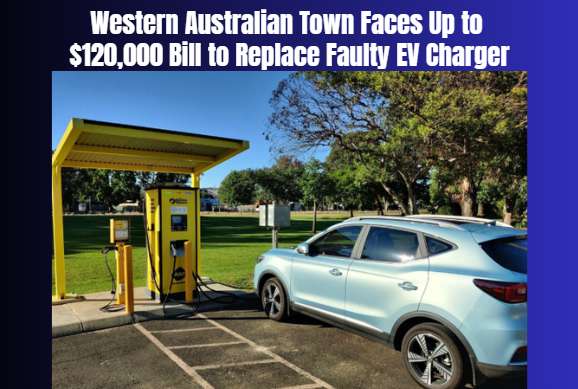
The Shire of Harvey is weighing the cost of repairing its only public electric-vehicle charging station as ageing infrastructure puts pressure on local...
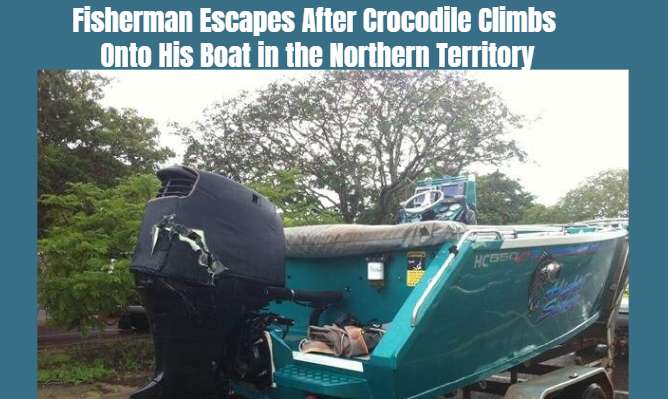
A fisherman escaped unharmed after a large crocodile climbed onto his boat while he was fishing alone on the Mary River, prompting renewed safety warnin...
A filmmaker from Bourke in western New South Wales has taken over leadership of an Indigenous film festival in Paris, creating an opportunity to bring A...
Concerns are growing over the reliability and availability of Australia's public electric vehicle charging network, with thousands of charging points po...
Indigenous women are using traditional weaving and craft-making to strengthen cultural connections, preserve knowledge passed down through generations a...
Eight people have died in separate road crashes across Victoria during the Melbourne Cup long weekend, with four of the fatal incidents involving motorc...
A fisherman escaped unharmed after a large crocodile climbed onto his boat while he was fishing alone on the Mary River, prompting renewed safety warnin...
New South Wales has begun accepting firearms under the national gun buyback scheme, but limited appointment availability has created an early challenge...