Young Adult in Life-Threatening Condition After Meningococcal B Infection in Adelaide
By Chloe · Published 31 Oct 2026 · Updated 31 Oct 2026
Adelaide, SA · South Australia News
Safety note: Admin approval is an initial review, not a guarantee that every detail is correct. Check important or urgent claims with official sources and report anything inaccurate or unsafe.
Source and credit: Contributor's own report
Smart summary
South Australian health authorities report 22 meningococcal disease cases this year and urge eligible residents to receive vaccination as contact tracing continues.
A young adult is in a life-threatening condition in an Adelaide hospital after being diagnosed with an invasive meningococcal B infection, prompting renewed warnings from South Australian health authorities about the importance of vaccination and early medical attention.
The case was reported on Saturday, 31 October 2026. According to health authorities, the patient is receiving life support in hospital. The infection has raised concern because meningococcal disease can progress rapidly and cause serious complications if it is not recognised and treated immediately.
South Australia has recorded 22 meningococcal disease cases so far in 2026. This compares with 13 cases during the same period in 2025. The latest figures highlight an increase in reported infections and have prompted public health officials to encourage greater awareness of the disease.
Health authorities have started contact tracing to identify people who may have been exposed to the infection. Seven close contacts have been identified and provided with preventative antibiotics. These antibiotics are intended to reduce the possibility of further transmission.
Officials have explained that meningococcal bacteria generally spread through prolonged or very close contact with an infected person. Examples can include people living in the same household or having repeated close contact. The infection does not usually spread easily through casual contact with strangers.
South Australian Health Minister Blair Boyer and Chief Public Health Officer Professor Nicola Spurrier have encouraged eligible residents to take advantage of available meningococcal vaccinations. Health officials have indicated that vaccination coverage remains an important concern, particularly among groups at higher risk of serious infection.
The meningococcal B vaccine is available free under government-funded programs for eligible infants and Year 10 students in South Australia. Young children and teenagers are among the groups that health authorities particularly want to protect.
Meningococcal disease can affect the bloodstream and the protective membranes surrounding the brain and spinal cord. Early symptoms may include fever, headache, vomiting, neck stiffness and sensitivity to light. Some people may also develop a skin rash consisting of small red or purple spots.
The illness can become severe very quickly. In some cases, patients may develop confusion, shock and other life-threatening complications. Health authorities therefore advise people to seek urgent medical attention if they experience symptoms that could indicate meningococcal disease.
Officials have also emphasised that vaccination does not eliminate every possible risk because vaccines do not protect against all meningococcal strains. People should remain aware of symptoms even if they have received vaccinations.
The latest Adelaide case has renewed attention on public health awareness, vaccination access and early diagnosis across South Australia. Authorities continue to monitor the situation and have taken preventative measures to reduce the possibility of further transmission.
The official case breakdown shows that 20 of the 22 cases reported this year are meningococcal B infections. One case has been identified as serogroup Y and one as non-serogroupable. No deaths had been recorded in the reported figures at the time of the update.
Health officials are also reminding families to understand the vaccination schedule and check whether children and teenagers are eligible for free vaccines. The public health response includes providing information to identified contacts and ensuring that those requiring preventative treatment receive appropriate medical support.
The situation remains a reminder that meningococcal disease is a serious infection requiring immediate attention. Health authorities are continuing to encourage awareness, vaccination and prompt medical assessment of concerning symptoms.
HealthMeningococcalAuthoritiesInfectionDisease
A young adult is in a life-threatening condition in an Adelaide hospital after being diagnosed with an invasive meningococcal B infection, prompting renewed warnings from South Australian health authorities about the importance of vaccination and early medical attention.
The case was reported on Saturday, 31 October 2026. According to health authorities, the patient is receiving life support in hospital. The infection has raised concern because meningococcal disease can progress rapidly and cause serious complications if it is not recognised and treated immediately.
South Australia has recorded 22 meningococcal disease cases so far in 2026. This compares with 13 cases during the same period in 2025. The latest figures highlight an increase in reported infections and have prompted public health officials to encourage greater awareness of the disease.
Health authorities have started contact tracing to identify people who may have been exposed to the infection. Seven close contacts have been identified and provided with preventative antibiotics. These antibiotics are intended to reduce the possibility of further transmission.
Officials have explained that meningococcal bacteria generally spread through prolonged or very close contact with an infected person. Examples can include people living in the same household or having repeated close contact. The infection does not usually spread easily through casual contact with strangers.
South Australian Health Minister Blair Boyer and Chief Public Health Officer Professor Nicola Spurrier have encouraged eligible residents to take advantage of available meningococcal vaccinations. Health officials have indicated that vaccination coverage remains an important concern, particularly among groups at higher risk of serious infection.
The meningococcal B vaccine is available free under government-funded programs for eligible infants and Year 10 students in South Australia. Young children and teenagers are among the groups that health authorities particularly want to protect.
Meningococcal disease can affect the bloodstream and the protective membranes surrounding the brain and spinal cord. Early symptoms may include fever, headache, vomiting, neck stiffness and sensitivity to light. Some people may also develop a skin rash consisting of small red or purple spots.
The illness can become severe very quickly. In some cases, patients may develop confusion, shock and other life-threatening complications. Health authorities therefore advise people to seek urgent medical attention if they experience symptoms that could indicate meningococcal disease.
Officials have also emphasised that vaccination does not eliminate every possible risk because vaccines do not protect against all meningococcal strains. People should remain aware of symptoms even if they have received vaccinations.
The latest Adelaide case has renewed attention on public health awareness, vaccination access and early diagnosis across South Australia. Authorities continue to monitor the situation and have taken preventative measures to reduce the possibility of further transmission.
The official case breakdown shows that 20 of the 22 cases reported this year are meningococcal B infections. One case has been identified as serogroup Y and one as non-serogroupable. No deaths had been recorded in the reported figures at the time of the update.
Health officials are also reminding families to understand the vaccination schedule and check whether children and teenagers are eligible for free vaccines. The public health response includes providing information to identified contacts and ensuring that those requiring preventative treatment receive appropriate medical support.
The situation remains a reminder that meningococcal disease is a serious infection requiring immediate attention. Health authorities are continuing to encourage awareness, vaccination and prompt medical assessment of concerning symptoms.
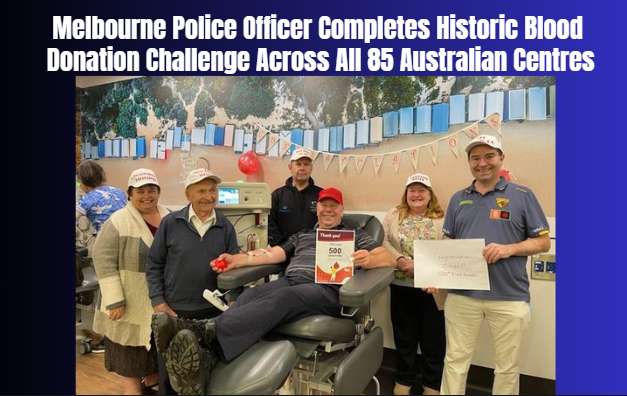
Trevor Bergman has completed an extraordinary national challenge by donating blood or plasma at all 85 Lifeblood donation centres across Australia, maki...
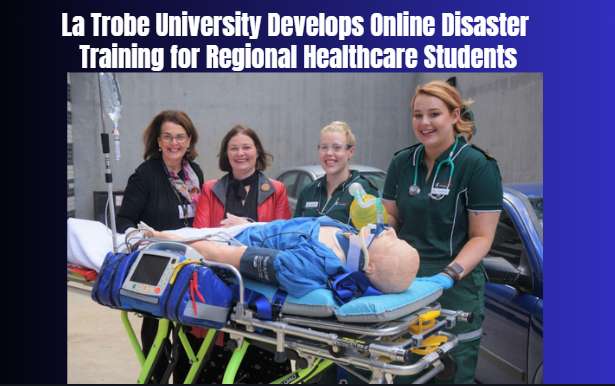
Interactive online games are being developed to help healthcare students in regional Australia practise responding to natural disasters and mass-casualt...
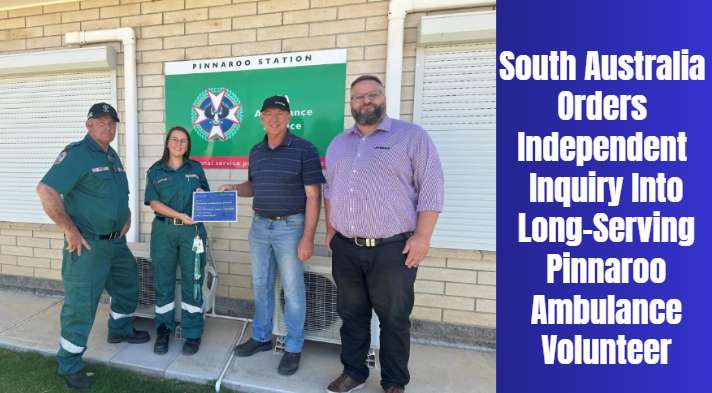
An external investigator will examine the case of volunteer ambulance officer Rob Berlin, who was stood down after almost 50 years of service, as commun...
Cardiologist Dr Rolf Gomes has helped bring specialist heart care to Australians living in remote regions through his Heart of Australia mobile clinics,...
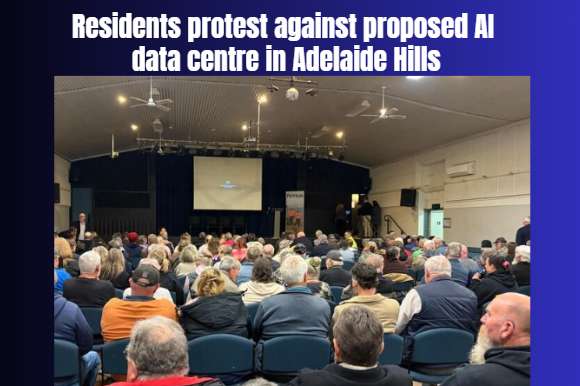
Residents have rallied against a proposed 1,200-megawatt artificial intelligence data centre near Tungkillo, raising concerns about water supplies, land...
South Australian detectives have arrested a second man over a series of alleged business break-ins, thefts and property damage incidents across metropol...
South Australian police are investigating a fatal shooting in Firle after officers responding to reports of a woman allegedly armed with an axe opened f...
A new Adelaide City Council policy banning oil, coal and gas advertising has sparked a dispute over climate action and the future of the Santos-sponsore...
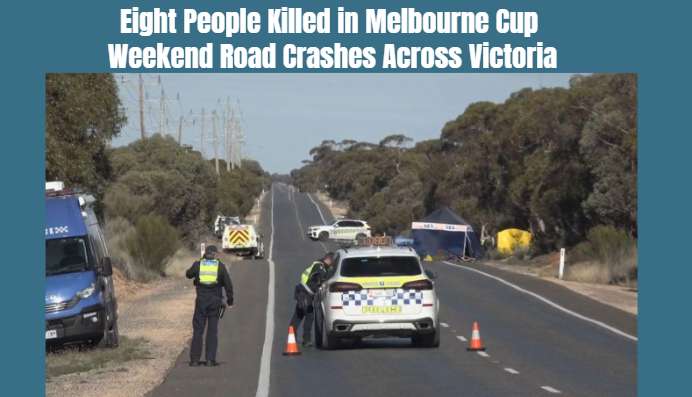
Eight people have died in separate road crashes across Victoria during the Melbourne Cup long weekend, with four of the fatal incidents involving motorc...
A fisherman escaped unharmed after a large crocodile climbed onto his boat while he was fishing alone on the Mary River, prompting renewed safety warnin...
New South Wales has begun accepting firearms under the national gun buyback scheme, but limited appointment availability has created an early challenge...
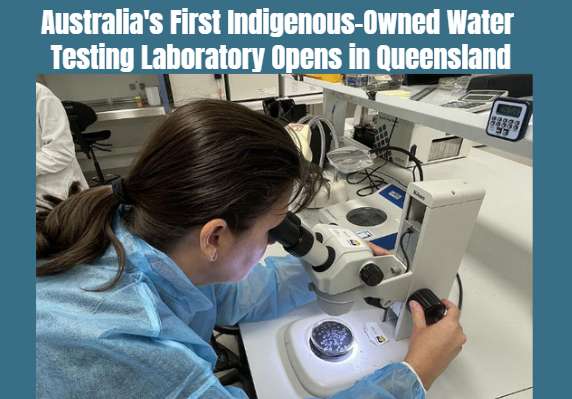
The new laboratory in Bundaberg will allow Indigenous rangers and traditional owner groups to test water locally, strengthening environmental management...