La Trobe University Develops Online Disaster Training for Regional Healthcare Students
By Chloe · Published 29 Oct 2026 · Updated 29 Oct 2026
Central, VIC
Safety note: Admin approval is an initial review, not a guarantee that every detail is correct. Check important or urgent claims with official sources and report anything inaccurate or unsafe.
Source and credit: Contributor's own report
La Trobe University Develops Online Disaster Training for Regional Healthcare Students - Central, VIC
Smart summary
Interactive online games are being developed to help healthcare students in regional Australia practise responding to natural disasters and mass-casualty emergencies.
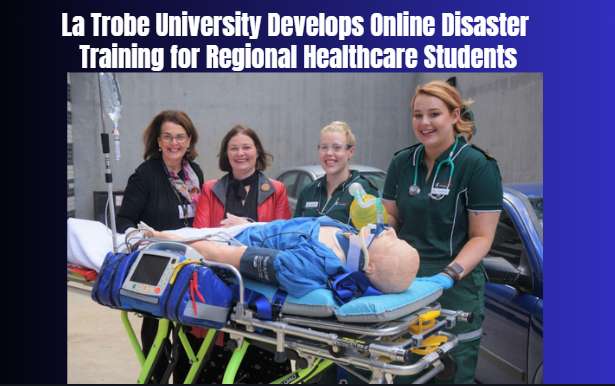
La Trobe University is developing interactive online training games designed to prepare regional healthcare students for emergencies, including natural disasters and incidents involving large numbers of casualties. The project aims to give students practical opportunities to practise emergency responses, even when they are studying away from major university campuses.
The development was reported by ABC News in its Central Victoria regional briefing on 29 October 2026. Associate Professor Erin Smith is leading the work, which has received support through the Tim Fischer Fellowship.
The training is intended to address an important challenge in regional healthcare education: students need to develop the skills and confidence required to respond to serious emergencies, but access to specialised simulation facilities and realistic training exercises can vary depending on where they study.
Natural disasters can place considerable pressure on healthcare services, particularly in rural and regional communities. Bushfires, floods, severe storms and other emergencies may result in multiple injuries, damage to medical facilities and disruptions to transport. In these circumstances, local healthcare workers can become essential to the initial emergency response.
Mass-casualty incidents present additional challenges. Healthcare teams may need to assess large numbers of injured people, identify patients requiring urgent treatment, coordinate available resources and communicate effectively with other emergency services.
The proposed online games will allow students to practise responding to simulated emergencies through interactive scenarios. Instead of relying entirely on classroom explanations, students can work through situations that require them to assess information, make decisions and consider the consequences of their actions.
The digital approach could also make emergency training more accessible to students who are studying in regional locations. Online learning can allow participants to engage with scenarios from their own study environments, reducing the need to travel every time a training exercise is conducted.
The project is being designed around emergencies relevant to rural communities. This is significant because regional healthcare workers may face different operational conditions from their counterparts in larger cities. Longer travel distances, limited local resources and the need to coordinate with services across wide geographical areas can complicate emergency responses.
Associate Professor Smith said regional students would be among the first responders when many emergencies occur in rural areas. Preparing them before they enter the workforce is therefore an important part of building regional emergency-response capacity.
Interactive training can complement existing teaching by giving students opportunities to practise decision-making in a controlled environment. It may also help educators identify areas where students need additional instruction before they encounter similar situations during clinical placements or professional practice.
However, online simulations are not a replacement for practical clinical training, supervised experience or established emergency-response procedures. Their value will depend on how accurately the scenarios reflect real challenges and how effectively they are incorporated into healthcare education.
The project also highlights the potential for digital tools to support training beyond major metropolitan centres. As regional communities face risks from extreme weather and other emergencies, accessible education resources may help prepare future healthcare professionals for demanding situations.
La Trobe University's initiative is still being developed, and the university has not announced a confirmed public launch date in the regional report. Its progress will be important for determining how the online scenarios are introduced into student training and how their effectiveness is assessed.
RegionalStudentsTrainingHealthcareEmergencies
La Trobe University is developing interactive online training games designed to prepare regional healthcare students for emergencies, including natural disasters and incidents involving large numbers of casualties. The project aims to give students practical opportunities to practise emergency responses, even when they are studying away from major university campuses.
The development was reported by ABC News in its Central Victoria regional briefing on 29 October 2026. Associate Professor Erin Smith is leading the work, which has received support through the Tim Fischer Fellowship.
The training is intended to address an important challenge in regional healthcare education: students need to develop the skills and confidence required to respond to serious emergencies, but access to specialised simulation facilities and realistic training exercises can vary depending on where they study.
Natural disasters can place considerable pressure on healthcare services, particularly in rural and regional communities. Bushfires, floods, severe storms and other emergencies may result in multiple injuries, damage to medical facilities and disruptions to transport. In these circumstances, local healthcare workers can become essential to the initial emergency response.
Mass-casualty incidents present additional challenges. Healthcare teams may need to assess large numbers of injured people, identify patients requiring urgent treatment, coordinate available resources and communicate effectively with other emergency services.
The proposed online games will allow students to practise responding to simulated emergencies through interactive scenarios. Instead of relying entirely on classroom explanations, students can work through situations that require them to assess information, make decisions and consider the consequences of their actions.
The digital approach could also make emergency training more accessible to students who are studying in regional locations. Online learning can allow participants to engage with scenarios from their own study environments, reducing the need to travel every time a training exercise is conducted.
The project is being designed around emergencies relevant to rural communities. This is significant because regional healthcare workers may face different operational conditions from their counterparts in larger cities. Longer travel distances, limited local resources and the need to coordinate with services across wide geographical areas can complicate emergency responses.
Associate Professor Smith said regional students would be among the first responders when many emergencies occur in rural areas. Preparing them before they enter the workforce is therefore an important part of building regional emergency-response capacity.
Interactive training can complement existing teaching by giving students opportunities to practise decision-making in a controlled environment. It may also help educators identify areas where students need additional instruction before they encounter similar situations during clinical placements or professional practice.
However, online simulations are not a replacement for practical clinical training, supervised experience or established emergency-response procedures. Their value will depend on how accurately the scenarios reflect real challenges and how effectively they are incorporated into healthcare education.
The project also highlights the potential for digital tools to support training beyond major metropolitan centres. As regional communities face risks from extreme weather and other emergencies, accessible education resources may help prepare future healthcare professionals for demanding situations.
La Trobe University's initiative is still being developed, and the university has not announced a confirmed public launch date in the regional report. Its progress will be important for determining how the online scenarios are introduced into student training and how their effectiveness is assessed.
South Australian health authorities report 22 meningococcal disease cases this year and urge eligible residents to receive vaccination as contact tracin...
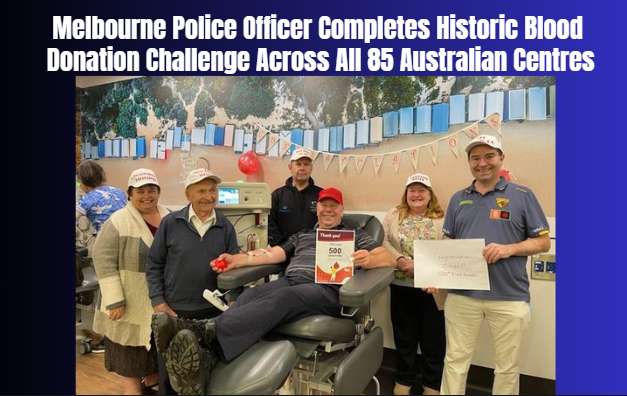
Trevor Bergman has completed an extraordinary national challenge by donating blood or plasma at all 85 Lifeblood donation centres across Australia, maki...
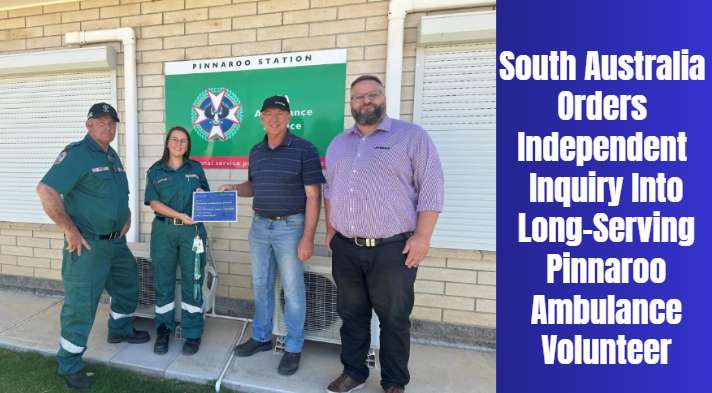
An external investigator will examine the case of volunteer ambulance officer Rob Berlin, who was stood down after almost 50 years of service, as commun...
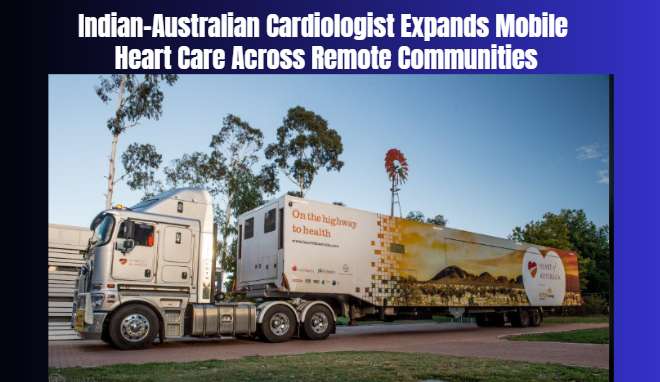
Cardiologist Dr Rolf Gomes has helped bring specialist heart care to Australians living in remote regions through his Heart of Australia mobile clinics,...
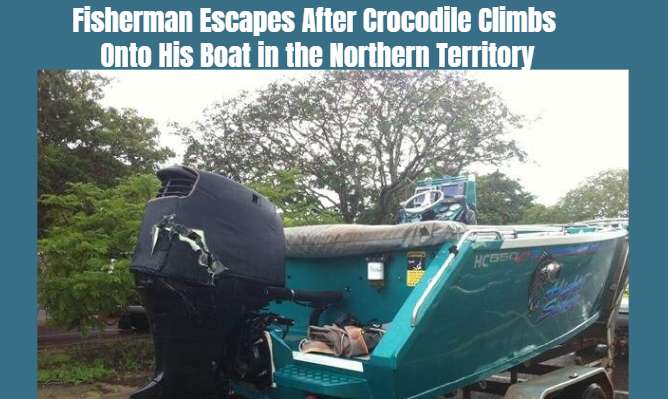
A fisherman escaped unharmed after a large crocodile climbed onto his boat while he was fishing alone on the Mary River, prompting renewed safety warnin...
A filmmaker from Bourke in western New South Wales has taken over leadership of an Indigenous film festival in Paris, creating an opportunity to bring A...
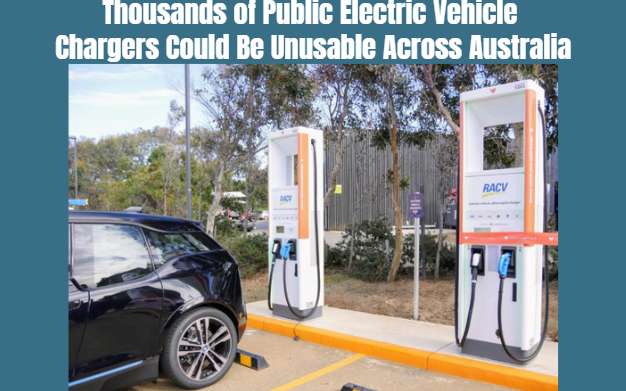
Concerns are growing over the reliability and availability of Australia's public electric vehicle charging network, with thousands of charging points po...
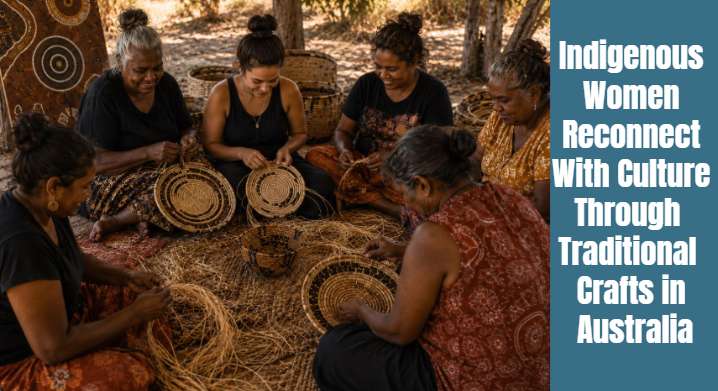
Indigenous women are using traditional weaving and craft-making to strengthen cultural connections, preserve knowledge passed down through generations a...
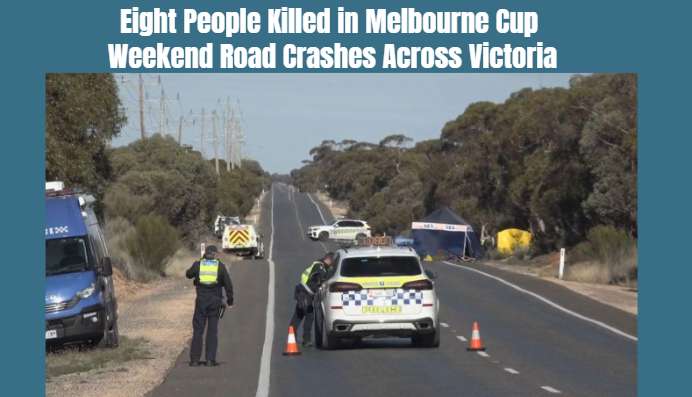
Eight people have died in separate road crashes across Victoria during the Melbourne Cup long weekend, with four of the fatal incidents involving motorc...
A fisherman escaped unharmed after a large crocodile climbed onto his boat while he was fishing alone on the Mary River, prompting renewed safety warnin...
New South Wales has begun accepting firearms under the national gun buyback scheme, but limited appointment availability has created an early challenge...
The new laboratory in Bundaberg will allow Indigenous rangers and traditional owner groups to test water locally, strengthening environmental management...