Melbourne Police Officer Completes Historic Blood Donation Challenge Across All 85 Australian Centres
By Chloe · Published 30 Oct 2026 · Updated 30 Oct 2026
Melbourne, VIC · Victoria News
Safety note: Admin approval is an initial review, not a guarantee that every detail is correct. Check important or urgent claims with official sources and report anything inaccurate or unsafe.
Source and credit: Contributor's own report
Melbourne Police Officer Completes Historic Blood Donation Challenge Across All 85 Australian Centres - Melbourne, VIC
Smart summary
Trevor Bergman has completed an extraordinary national challenge by donating blood or plasma at all 85 Lifeblood donation centres across Australia, making a significant contribution to the country's blood supply.
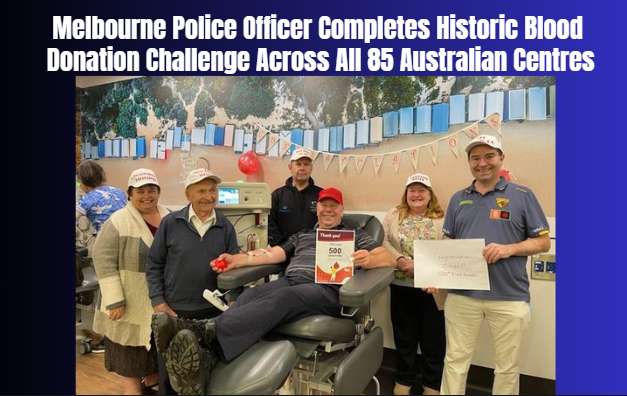
A Melbourne police officer has achieved an extraordinary milestone after donating blood and plasma at every one of Australia's 85 Lifeblood donation centres. Trevor Bergman, aged 59, completed his nationwide challenge in Canberra, marking the end of a journey that combined community service, travel and a lifelong commitment to helping others.
Bergman has donated blood since he was 18 years old. Over several decades, he has made a total of 545 donations, demonstrating an exceptional commitment to supporting people who depend on blood and plasma products for medical treatment.
The idea for his nationwide challenge began approximately 10 years ago during a holiday in Perth. While travelling through Western Australia, he visited a local blood donation centre and realised that donating blood could also provide an opportunity to explore different parts of the country.
He decided to combine his passion for travelling with his commitment to blood donation. Over the following years, he visited donation centres across Australia's east coast, Western Australia and the Northern Territory.
His journey eventually took him to Canberra, where he completed his 85th and final donation by donating plasma in May 2026. Governor-General Sam Mostyn joined him for the occasion, making the achievement particularly memorable.
Bergman's contribution is especially valuable because he carries the anti-D antibody. According to Australian Red Cross Lifeblood, people with this antibody play an important role in protecting babies from haemolytic disease of the newborn.
This condition can occur when a pregnant woman's immune system reacts to differences between her blood type and that of her baby. Anti-D injections help prevent potentially dangerous immune reactions, protecting pregnancies and newborn babies.
Only around 150 Australians are known to carry the particular antibody, making donors like Bergman especially important for maintaining supplies used in medical treatment.
During his donation journey, Bergman also experienced the importance of maintaining strict safety standards. On one occasion, when he travelled to Albany in Western Australia, staff refused his donation because he had cold symptoms.
Although he was disappointed, he understood that protecting the blood supply must always come first. Blood donation centres carefully assess donors to ensure that donated products are safe for patients.
Australian Red Cross Lifeblood says blood, plasma and platelets are required for a wide range of medical treatments. They are used for patients receiving cancer treatment, people with immune conditions, individuals undergoing surgery and victims of serious road accidents.
The organisation estimates that one in three Australians will need blood at some point in their lives. Despite this demand, only a small proportion of eligible adults regularly donate.
Lifeblood has also reported pressure on national blood and plasma supplies following a prolonged cold and flu season. It is encouraging eligible Australians to make regular appointments rather than waiting until emergency appeals are announced.
Bergman said helping the community and travelling around Australia were both important motivations behind his achievement. His experience demonstrates how one person's long-term commitment can make a meaningful contribution to healthcare.
His completion of the challenge has also encouraged renewed discussion about the importance of regular blood donation and the need to maintain reliable supplies for Australian hospitals.
BloodDonationBergmanPlasmaAlso
A Melbourne police officer has achieved an extraordinary milestone after donating blood and plasma at every one of Australia's 85 Lifeblood donation centres. Trevor Bergman, aged 59, completed his nationwide challenge in Canberra, marking the end of a journey that combined community service, travel and a lifelong commitment to helping others.
Bergman has donated blood since he was 18 years old. Over several decades, he has made a total of 545 donations, demonstrating an exceptional commitment to supporting people who depend on blood and plasma products for medical treatment.
The idea for his nationwide challenge began approximately 10 years ago during a holiday in Perth. While travelling through Western Australia, he visited a local blood donation centre and realised that donating blood could also provide an opportunity to explore different parts of the country.
He decided to combine his passion for travelling with his commitment to blood donation. Over the following years, he visited donation centres across Australia's east coast, Western Australia and the Northern Territory.
His journey eventually took him to Canberra, where he completed his 85th and final donation by donating plasma in May 2026. Governor-General Sam Mostyn joined him for the occasion, making the achievement particularly memorable.
Bergman's contribution is especially valuable because he carries the anti-D antibody. According to Australian Red Cross Lifeblood, people with this antibody play an important role in protecting babies from haemolytic disease of the newborn.
This condition can occur when a pregnant woman's immune system reacts to differences between her blood type and that of her baby. Anti-D injections help prevent potentially dangerous immune reactions, protecting pregnancies and newborn babies.
Only around 150 Australians are known to carry the particular antibody, making donors like Bergman especially important for maintaining supplies used in medical treatment.
During his donation journey, Bergman also experienced the importance of maintaining strict safety standards. On one occasion, when he travelled to Albany in Western Australia, staff refused his donation because he had cold symptoms.
Although he was disappointed, he understood that protecting the blood supply must always come first. Blood donation centres carefully assess donors to ensure that donated products are safe for patients.
Australian Red Cross Lifeblood says blood, plasma and platelets are required for a wide range of medical treatments. They are used for patients receiving cancer treatment, people with immune conditions, individuals undergoing surgery and victims of serious road accidents.
The organisation estimates that one in three Australians will need blood at some point in their lives. Despite this demand, only a small proportion of eligible adults regularly donate.
Lifeblood has also reported pressure on national blood and plasma supplies following a prolonged cold and flu season. It is encouraging eligible Australians to make regular appointments rather than waiting until emergency appeals are announced.
Bergman said helping the community and travelling around Australia were both important motivations behind his achievement. His experience demonstrates how one person's long-term commitment can make a meaningful contribution to healthcare.
His completion of the challenge has also encouraged renewed discussion about the importance of regular blood donation and the need to maintain reliable supplies for Australian hospitals.
South Australian health authorities report 22 meningococcal disease cases this year and urge eligible residents to receive vaccination as contact tracin...
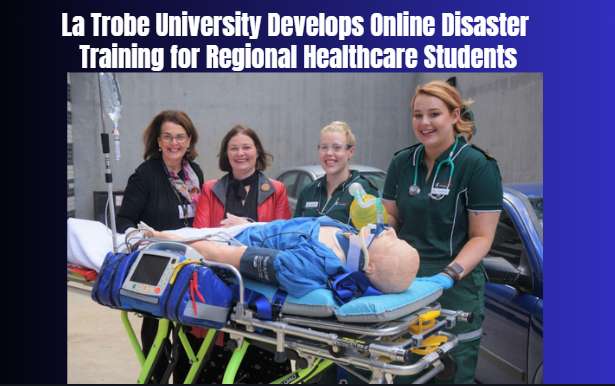
Interactive online games are being developed to help healthcare students in regional Australia practise responding to natural disasters and mass-casualt...
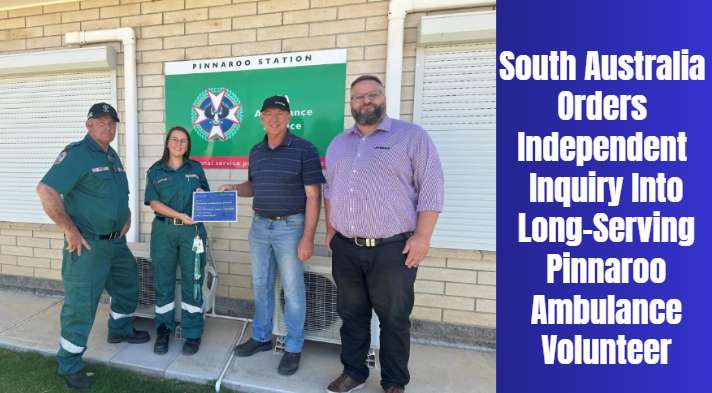
An external investigator will examine the case of volunteer ambulance officer Rob Berlin, who was stood down after almost 50 years of service, as commun...
Cardiologist Dr Rolf Gomes has helped bring specialist heart care to Australians living in remote regions through his Heart of Australia mobile clinics,...
Victorian Police have arrested eight people following an alleged group assault involving an off-duty police officer, prompting a criminal investigation.
A pay dispute involving specialist electricity-market workers has escalated, with Australia's energy operator warning that industrial action could creat...
Falling property activity and weaker stamp duty and land tax collections are expected to reduce Victoria's projected revenue by around $5 billion over t...
Eight people have died in separate road crashes across Victoria during the Melbourne Cup long weekend, with four of the fatal incidents involving motorc...
A fisherman escaped unharmed after a large crocodile climbed onto his boat while he was fishing alone on the Mary River, prompting renewed safety warnin...
New South Wales has begun accepting firearms under the national gun buyback scheme, but limited appointment availability has created an early challenge...
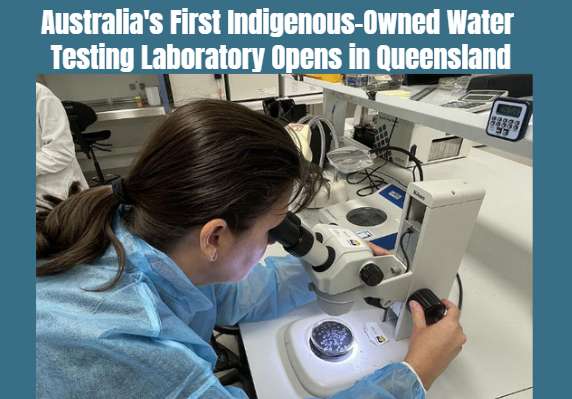
The new laboratory in Bundaberg will allow Indigenous rangers and traditional owner groups to test water locally, strengthening environmental management...