Australian Energy Market Operator Workers Take Industrial Action Amid Blackout Warnings
By Chloe · Published 30 Oct 2026 · Updated 30 Oct 2026
Melbourne, VIC · Victoria News
Safety note: Admin approval is an initial review, not a guarantee that every detail is correct. Check important or urgent claims with official sources and report anything inaccurate or unsafe.
Source and credit: Contributor's own report
Australian Energy Market Operator Workers Take Industrial Action Amid Blackout Warnings - Melbourne, VIC
Smart summary
A pay dispute involving specialist electricity-market workers has escalated, with Australia's energy operator warning that industrial action could create serious risks for power supplies and public safety.
Australia's electricity system is facing concerns over operational risks after specialist workers at the Australian Energy Market Operator (AEMO) increased industrial action during a prolonged pay dispute with management.
AEMO is responsible for coordinating Australia's major electricity markets and managing the balance between electricity supply and demand. Its work is critical to maintaining reliable power supplies for millions of households and businesses across the country.
The dispute centres on negotiations for a new enterprise bargaining agreement. Engineers, scientists and other specialist employees represented by Professionals Australia are seeking wage increases linked to inflation, arguing that their salaries should keep pace with the rising cost of living.
The union is seeking pay rises of 4.2 per cent for the current financial year and the following year, with a minimum increase linked to inflation if prices rise more quickly. AEMO has offered annual increases of 4.2 per cent but has not agreed to the additional inflation-linked protection.
Workers have rejected the organisation's offer in three separate votes, increasing pressure on management to reach an agreement.
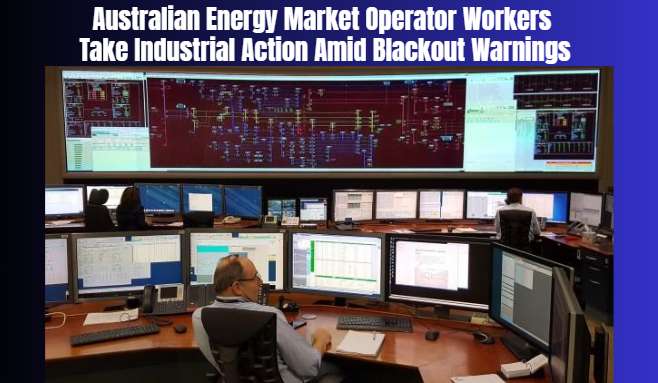
As negotiations stalled, employees began taking industrial action. Staff working in sensitive control-room operations have introduced indefinite bans on assessing and approving non-critical planned electricity outages.
Workers have also refused to attend certain daily meetings and temporarily paused non-urgent responses to questions from electricity generators and operators of high-voltage transmission infrastructure.
These activities normally help coordinate maintenance, manage network operations and ensure electricity infrastructure can operate safely.
AEMO has warned that the combined effect of the industrial action could create serious operational difficulties. The organisation sought intervention from the Fair Work Commission, arguing that the work restrictions could create catastrophic risks, potentially leading to blackouts and putting lives at risk.
The Fair Work Commission agreed to a limited suspension of some industrial actions while the matter was considered.
However, the union has rejected suggestions that its members would deliberately compromise electricity security. Professionals Australia representative Thomas Whibley said workers were committed to public safety and criticised management's approach to the negotiations.
The disagreement has also extended beyond wages. Some employees have questioned the difference between executive remuneration and ordinary staff pay. More than 100 workers reportedly supported a suggestion that AEMO chief executive Daniel Westerman consider resigning.
Financial statements show that senior executives received approximately $7.2 million in salaries and short-term benefits during the financial year ending June 2026, compared with $6.9 million in the previous year.
AEMO has defended its employment offer, saying it provides competitive wage increases and additional benefits. It has also explained that its operating costs ultimately affect consumers, meaning pay decisions must be balanced against electricity affordability.
Professionals Australia has referred a bargaining application to the Fair Work Commission, which is expected to assist in resolving the dispute.
The situation remains unresolved. Although no nationwide blackout has been announced as a result of the industrial action, the dispute highlights how essential specialist workers are to Australia's electricity network.
A negotiated settlement will be important to restoring workplace relations and ensuring that the country's power system continues operating reliably.
ElectricityWorkersAemoIndustrialAction
Australia's electricity system is facing concerns over operational risks after specialist workers at the Australian Energy Market Operator (AEMO) increased industrial action during a prolonged pay dispute with management.
AEMO is responsible for coordinating Australia's major electricity markets and managing the balance between electricity supply and demand. Its work is critical to maintaining reliable power supplies for millions of households and businesses across the country.
The dispute centres on negotiations for a new enterprise bargaining agreement. Engineers, scientists and other specialist employees represented by Professionals Australia are seeking wage increases linked to inflation, arguing that their salaries should keep pace with the rising cost of living.
The union is seeking pay rises of 4.2 per cent for the current financial year and the following year, with a minimum increase linked to inflation if prices rise more quickly. AEMO has offered annual increases of 4.2 per cent but has not agreed to the additional inflation-linked protection.
Workers have rejected the organisation's offer in three separate votes, increasing pressure on management to reach an agreement.
As negotiations stalled, employees began taking industrial action. Staff working in sensitive control-room operations have introduced indefinite bans on assessing and approving non-critical planned electricity outages.
Workers have also refused to attend certain daily meetings and temporarily paused non-urgent responses to questions from electricity generators and operators of high-voltage transmission infrastructure.
These activities normally help coordinate maintenance, manage network operations and ensure electricity infrastructure can operate safely.
AEMO has warned that the combined effect of the industrial action could create serious operational difficulties. The organisation sought intervention from the Fair Work Commission, arguing that the work restrictions could create catastrophic risks, potentially leading to blackouts and putting lives at risk.
The Fair Work Commission agreed to a limited suspension of some industrial actions while the matter was considered.
However, the union has rejected suggestions that its members would deliberately compromise electricity security. Professionals Australia representative Thomas Whibley said workers were committed to public safety and criticised management's approach to the negotiations.
The disagreement has also extended beyond wages. Some employees have questioned the difference between executive remuneration and ordinary staff pay. More than 100 workers reportedly supported a suggestion that AEMO chief executive Daniel Westerman consider resigning.
Financial statements show that senior executives received approximately $7.2 million in salaries and short-term benefits during the financial year ending June 2026, compared with $6.9 million in the previous year.
AEMO has defended its employment offer, saying it provides competitive wage increases and additional benefits. It has also explained that its operating costs ultimately affect consumers, meaning pay decisions must be balanced against electricity affordability.
Professionals Australia has referred a bargaining application to the Fair Work Commission, which is expected to assist in resolving the dispute.
The situation remains unresolved. Although no nationwide blackout has been announced as a result of the industrial action, the dispute highlights how essential specialist workers are to Australia's electricity network.
A negotiated settlement will be important to restoring workplace relations and ensuring that the country's power system continues operating reliably.
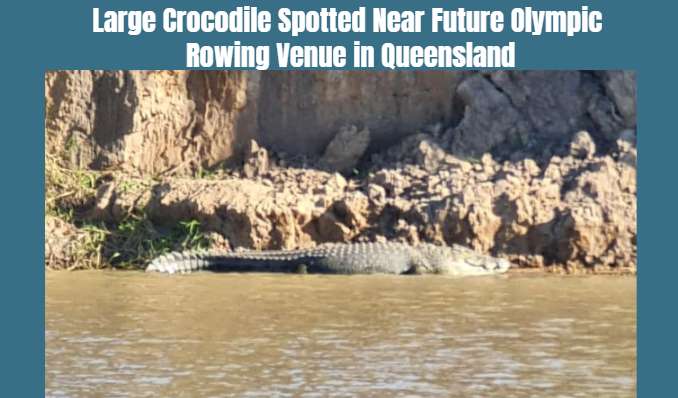
A large crocodile sighting near Rockhampton's proposed Olympic rowing venue has renewed concerns about public safety, wildlife management and the risks...
Indigenous women are using traditional weaving and craft-making to strengthen cultural connections, preserve knowledge passed down through generations a...
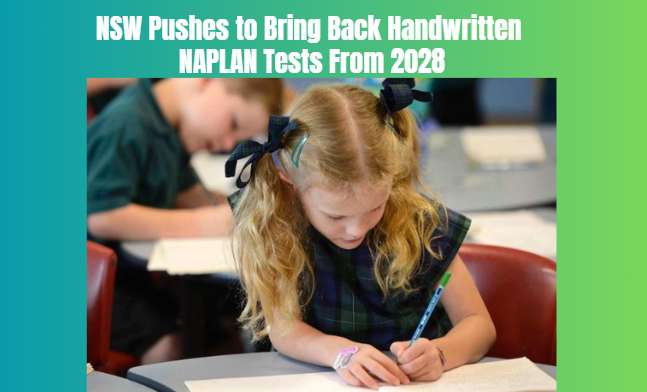
Education experts support New South Wales' proposal to replace computer-based NAPLAN writing tests with traditional pen-and-paper examinations for stude...
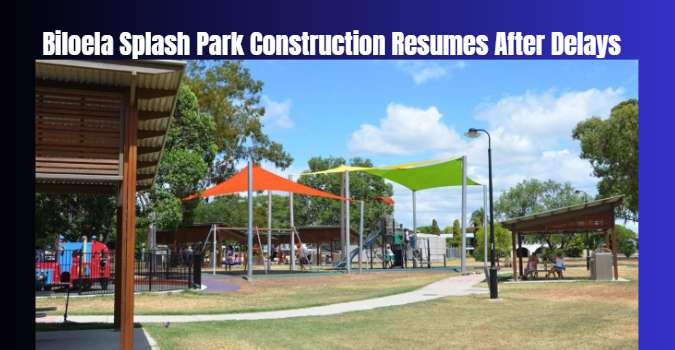
Work has restarted on a $4.5 million community splash park in central Queensland after wet weather and unexpected ground conditions delayed construction...
Victorian Police have arrested eight people following an alleged group assault involving an off-duty police officer, prompting a criminal investigation.
Falling property activity and weaker stamp duty and land tax collections are expected to reduce Victoria's projected revenue by around $5 billion over t...
Trevor Bergman has completed an extraordinary national challenge by donating blood or plasma at all 85 Lifeblood donation centres across Australia, maki...
Eight people have died in separate road crashes across Victoria during the Melbourne Cup long weekend, with four of the fatal incidents involving motorc...
A fisherman escaped unharmed after a large crocodile climbed onto his boat while he was fishing alone on the Mary River, prompting renewed safety warnin...
New South Wales has begun accepting firearms under the national gun buyback scheme, but limited appointment availability has created an early challenge...