New Survey Reveals Growing Loss of Trust in Australian Democracy
By Chloe · Published 02 Nov 2026 · Updated 02 Nov 2026
National, ACT
Safety note: Admin approval is an initial review, not a guarantee that every detail is correct. Check important or urgent claims with official sources and report anything inaccurate or unsafe.
Source and credit: Contributor's own report
New Survey Reveals Growing Loss of Trust in Australian Democracy - National, ACT
Smart summary
A nationwide survey of 4,000 Australians reveals declining confidence in politicians, growing dissatisfaction with democracy and significant differences between younger and older Australians.
A new national survey has revealed growing concerns about trust in Australian democracy, with more people expressing dissatisfaction with politicians and the country's political system. The findings were published on 2 November 2026 and highlight differences in political confidence based on age, education, gender and geographical location.
The research, known as the 2026 McKinnon Index, surveyed 4,000 Australians and examined public attitudes towards government institutions, political representatives and democratic participation. Its findings suggest that confidence in politicians has weakened over the past year, raising questions about how effectively Australia's political system represents the interests of ordinary citizens.
One of the most significant findings concerns trust in federal politicians. The proportion of Australians who said they trusted federal politicians fell from 35.9 per cent to 30.5 per cent in one year. Trust in state and territory politicians also declined by six percentage points to 32.7 per cent.
These figures indicate that many Australians are becoming increasingly dissatisfied with political leadership. Discussions surrounding freedom of speech, immigration, social division and antisemitism have also contributed to a challenging political environment.
Geographical differences were another important part of the research. Australians living outside major cities reported lower satisfaction with democracy and government services than people living in metropolitan areas.
According to the survey, only 40.3 per cent of people in outer regional and remote communities were satisfied with democracy. This compares with 52.9 per cent of people living in major cities.
The research also found that people in regional communities were less likely to feel they had an influence on political decisions. Only 38.6 per cent of respondents in outer regional and remote areas felt they had a say in politics, compared with 50.6 per cent in major cities.
Associate Professor Josh Roose from Deakin University's Alfred Deakin Institute for Citizenship and Globalisation said the findings should be considered carefully but reflected broader social patterns.
Age and gender were also identified as important factors influencing democratic confidence. Support for democracy among men aged between 18 and 24 declined by 10.3 percentage points to 56.1 per cent.
The survey also highlighted concerns about freedom of political expression. Among young men, the belief that people could freely express their political opinions fell by 22.8 percentage points to 49.8 per cent.
Another concerning finding involved attitudes towards political violence. The proportion of young men aged 18 to 24 who believed extreme measures, including violence, could sometimes be justified to advance a cause increased by 8.2 percentage points to 27.5 per cent.
Education also appeared to influence public confidence. Only 39.7 per cent of Australians whose education ended at high school were satisfied with democracy, compared with 59 per cent of university graduates.
Researchers say these differences demonstrate the importance of ensuring that democratic institutions remain accessible and representative of all communities.
The findings do not suggest that Australians have abandoned democracy. Rather, they highlight dissatisfaction with the way political institutions and elected representatives are functioning.
The survey provides important information for political leaders and policymakers as Australia continues to address public concerns about representation, trust, social division and political participation.
Rebuilding confidence will require governments to listen to communities, communicate openly and demonstrate that public concerns are being taken seriously.
PoliticalCentDemocracyAlsoAustralians
A new national survey has revealed growing concerns about trust in Australian democracy, with more people expressing dissatisfaction with politicians and the country's political system. The findings were published on 2 November 2026 and highlight differences in political confidence based on age, education, gender and geographical location.
The research, known as the 2026 McKinnon Index, surveyed 4,000 Australians and examined public attitudes towards government institutions, political representatives and democratic participation. Its findings suggest that confidence in politicians has weakened over the past year, raising questions about how effectively Australia's political system represents the interests of ordinary citizens.
One of the most significant findings concerns trust in federal politicians. The proportion of Australians who said they trusted federal politicians fell from 35.9 per cent to 30.5 per cent in one year. Trust in state and territory politicians also declined by six percentage points to 32.7 per cent.
These figures indicate that many Australians are becoming increasingly dissatisfied with political leadership. Discussions surrounding freedom of speech, immigration, social division and antisemitism have also contributed to a challenging political environment.
Geographical differences were another important part of the research. Australians living outside major cities reported lower satisfaction with democracy and government services than people living in metropolitan areas.
According to the survey, only 40.3 per cent of people in outer regional and remote communities were satisfied with democracy. This compares with 52.9 per cent of people living in major cities.
The research also found that people in regional communities were less likely to feel they had an influence on political decisions. Only 38.6 per cent of respondents in outer regional and remote areas felt they had a say in politics, compared with 50.6 per cent in major cities.
Associate Professor Josh Roose from Deakin University's Alfred Deakin Institute for Citizenship and Globalisation said the findings should be considered carefully but reflected broader social patterns.
Age and gender were also identified as important factors influencing democratic confidence. Support for democracy among men aged between 18 and 24 declined by 10.3 percentage points to 56.1 per cent.
The survey also highlighted concerns about freedom of political expression. Among young men, the belief that people could freely express their political opinions fell by 22.8 percentage points to 49.8 per cent.
Another concerning finding involved attitudes towards political violence. The proportion of young men aged 18 to 24 who believed extreme measures, including violence, could sometimes be justified to advance a cause increased by 8.2 percentage points to 27.5 per cent.
Education also appeared to influence public confidence. Only 39.7 per cent of Australians whose education ended at high school were satisfied with democracy, compared with 59 per cent of university graduates.
Researchers say these differences demonstrate the importance of ensuring that democratic institutions remain accessible and representative of all communities.
The findings do not suggest that Australians have abandoned democracy. Rather, they highlight dissatisfaction with the way political institutions and elected representatives are functioning.
The survey provides important information for political leaders and policymakers as Australia continues to address public concerns about representation, trust, social division and political participation.
Rebuilding confidence will require governments to listen to communities, communicate openly and demonstrate that public concerns are being taken seriously.
New figures reveal more than $3 million in government spending on promotional merchandise, including unusual items such as condoms and lollies, raising...
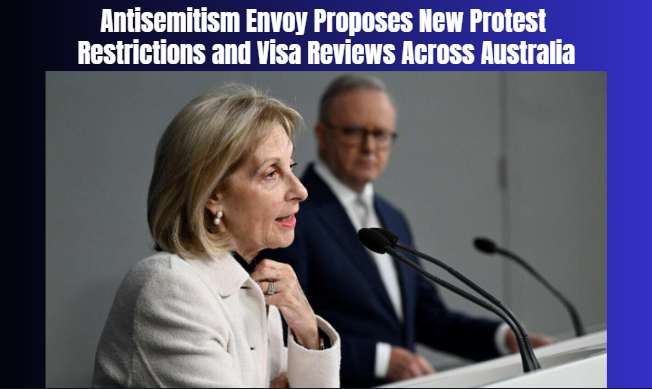
Australia's antisemitism envoy has recommended stronger protest rules, additional visa checks and independent oversight of public broadcasters as part o...
Young residents, Indigenous advocates and farmers are raising concerns about proposed mining and gas extraction projects, warning that decisions made to...
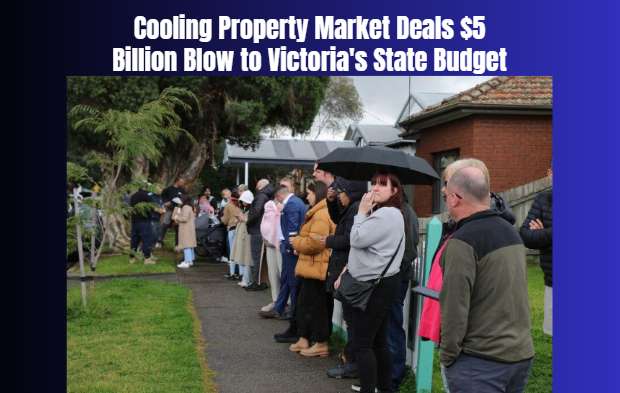
Falling property activity and weaker stamp duty and land tax collections are expected to reduce Victoria's projected revenue by around $5 billion over t...
A fisherman escaped unharmed after a large crocodile climbed onto his boat while he was fishing alone on the Mary River, prompting renewed safety warnin...
A filmmaker from Bourke in western New South Wales has taken over leadership of an Indigenous film festival in Paris, creating an opportunity to bring A...
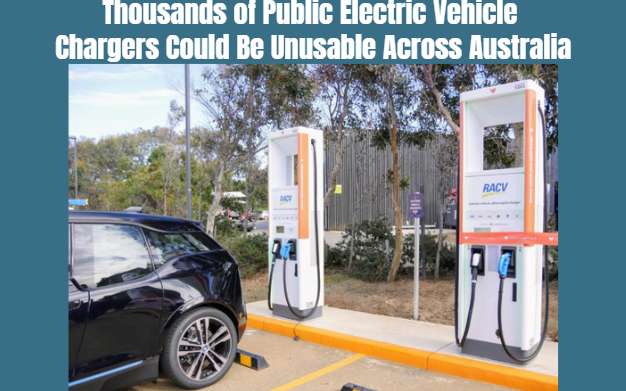
Concerns are growing over the reliability and availability of Australia's public electric vehicle charging network, with thousands of charging points po...
Indigenous women are using traditional weaving and craft-making to strengthen cultural connections, preserve knowledge passed down through generations a...
Eight people have died in separate road crashes across Victoria during the Melbourne Cup long weekend, with four of the fatal incidents involving motorc...
A fisherman escaped unharmed after a large crocodile climbed onto his boat while he was fishing alone on the Mary River, prompting renewed safety warnin...
New South Wales has begun accepting firearms under the national gun buyback scheme, but limited appointment availability has created an early challenge...