Young Australians Demand a Voice as Mining and Fracking Plans Raise Concerns in South Australia
By Chloe · Published 30 Oct 2026 · Updated 30 Oct 2026
Naracoorte, SA
Safety note: Admin approval is an initial review, not a guarantee that every detail is correct. Check important or urgent claims with official sources and report anything inaccurate or unsafe.
Source and credit: Contributor's own report
Smart summary
Young residents, Indigenous advocates and farmers are raising concerns about proposed mining and gas extraction projects, warning that decisions made today could reshape the Limestone Coast's environment, agricultural...
Young people in South Australia's Limestone Coast are calling for greater involvement in decisions about proposed mining and gas extraction projects that could significantly influence the region's future. The debate has intensified as the state considers changes to restrictions on fracking and the development of rare earth mineral resources.
The Limestone Coast has traditionally depended on agriculture, with farming forming an important part of its economy and supporting employment across regional communities. The area's productive farmland, groundwater resources and agricultural businesses have made it an important food-producing region in South Australia.
However, proposed developments in mining and energy production are creating new opportunities as well as concerns among residents. Supporters believe these industries could generate employment, attract investment and provide additional economic activity.
One of the people raising concerns is 18-year-old Jazmin Bingham, a Gomeroi woman and climate and youth advocate. She believes young people should have a greater opportunity to participate in decisions that could affect their communities for decades.
Bingham has highlighted concerns about the possible environmental consequences of resource extraction, particularly for agricultural land and communities with strong connections to the region.
Another young resident, 16-year-old Zoe Moore from Millicent, has also called for young people's opinions to be considered. As chair of the Wattle Range Council Youth Advisory Council, she wrote to South Australian Premier Peter Malinauskas expressing opposition to the proposed removal of fracking restrictions.
Fracking, also known as hydraulic fracture stimulation, involves injecting fluid under pressure into underground rock formations to release natural gas. The technique has generated controversy because of concerns about potential effects on groundwater and surrounding environments.
South Australia's government announced legislation in May to repeal a 10-year moratorium on fracking in the region. The existing restrictions were introduced in 2018, and the Premier has indicated that the moratorium is expected to lapse in 2028.
The debate has also expanded to include a proposed rare earth mining development in the Wrattonbully region.
Naracoorte farmer Joe Schultz, whose property falls within the proposed exploration area, has expressed uncertainty about making long-term investments in his family's agricultural business. He is concerned about how mining activities could affect farming and future land use.
The proposed Koppamurra rare earth project is being developed by Australian Rare Earths. The company expects an initial operating period of approximately 12 years and has indicated that the project could create around 100 jobs.
Project representatives argue that mining and agriculture could operate alongside one another and that additional employment would benefit young people who currently need to leave regional towns to find work.
South Australia's Mining and Energy Minister Tom Koutsantonis has also defended the importance of affordable gas for manufacturing, industrial development and the state's broader economy.
The disagreement highlights a difficult challenge for regional Australia: balancing economic development and employment opportunities with environmental protection and the long-term sustainability of farming communities.
The discussion is particularly important for younger residents, who may experience the long-term consequences of decisions made today. The outcome of the proposed developments could influence employment, land ownership, agricultural production and environmental conditions across the Limestone Coast.
CouldMiningProposedSouthYoung
Young people in South Australia's Limestone Coast are calling for greater involvement in decisions about proposed mining and gas extraction projects that could significantly influence the region's future. The debate has intensified as the state considers changes to restrictions on fracking and the development of rare earth mineral resources.
The Limestone Coast has traditionally depended on agriculture, with farming forming an important part of its economy and supporting employment across regional communities. The area's productive farmland, groundwater resources and agricultural businesses have made it an important food-producing region in South Australia.
However, proposed developments in mining and energy production are creating new opportunities as well as concerns among residents. Supporters believe these industries could generate employment, attract investment and provide additional economic activity.
One of the people raising concerns is 18-year-old Jazmin Bingham, a Gomeroi woman and climate and youth advocate. She believes young people should have a greater opportunity to participate in decisions that could affect their communities for decades.
Bingham has highlighted concerns about the possible environmental consequences of resource extraction, particularly for agricultural land and communities with strong connections to the region.
Another young resident, 16-year-old Zoe Moore from Millicent, has also called for young people's opinions to be considered. As chair of the Wattle Range Council Youth Advisory Council, she wrote to South Australian Premier Peter Malinauskas expressing opposition to the proposed removal of fracking restrictions.
Fracking, also known as hydraulic fracture stimulation, involves injecting fluid under pressure into underground rock formations to release natural gas. The technique has generated controversy because of concerns about potential effects on groundwater and surrounding environments.
South Australia's government announced legislation in May to repeal a 10-year moratorium on fracking in the region. The existing restrictions were introduced in 2018, and the Premier has indicated that the moratorium is expected to lapse in 2028.
The debate has also expanded to include a proposed rare earth mining development in the Wrattonbully region.
Naracoorte farmer Joe Schultz, whose property falls within the proposed exploration area, has expressed uncertainty about making long-term investments in his family's agricultural business. He is concerned about how mining activities could affect farming and future land use.
The proposed Koppamurra rare earth project is being developed by Australian Rare Earths. The company expects an initial operating period of approximately 12 years and has indicated that the project could create around 100 jobs.
Project representatives argue that mining and agriculture could operate alongside one another and that additional employment would benefit young people who currently need to leave regional towns to find work.
South Australia's Mining and Energy Minister Tom Koutsantonis has also defended the importance of affordable gas for manufacturing, industrial development and the state's broader economy.
The disagreement highlights a difficult challenge for regional Australia: balancing economic development and employment opportunities with environmental protection and the long-term sustainability of farming communities.
The discussion is particularly important for younger residents, who may experience the long-term consequences of decisions made today. The outcome of the proposed developments could influence employment, land ownership, agricultural production and environmental conditions across the Limestone Coast.
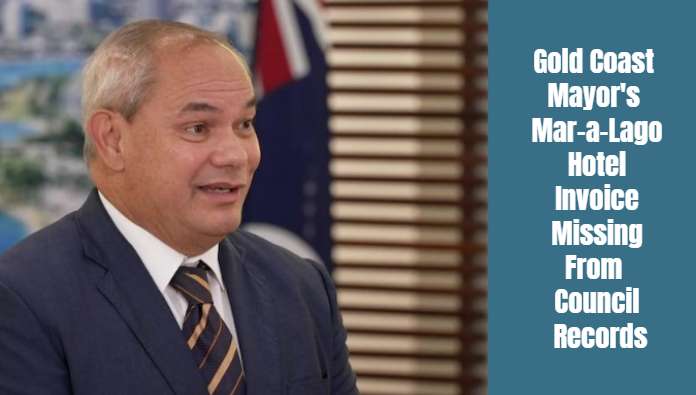
A freedom of information request has revealed that Gold Coast Council does not hold a copy of the invoice for Mayor Tom Tate's three-day stay at Donald...
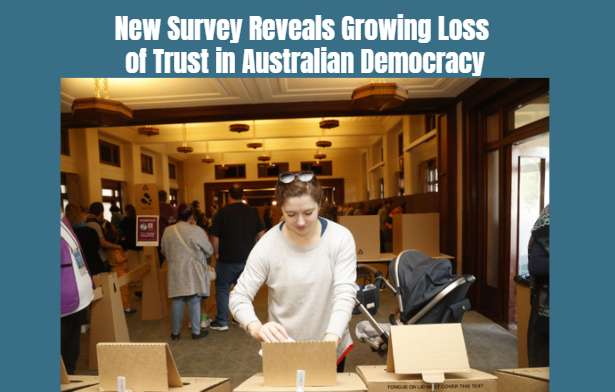
A nationwide survey of 4,000 Australians reveals declining confidence in politicians, growing dissatisfaction with democracy and significant differences...
New figures reveal more than $3 million in government spending on promotional merchandise, including unusual items such as condoms and lollies, raising...
Australia's antisemitism envoy has recommended stronger protest rules, additional visa checks and independent oversight of public broadcasters as part o...
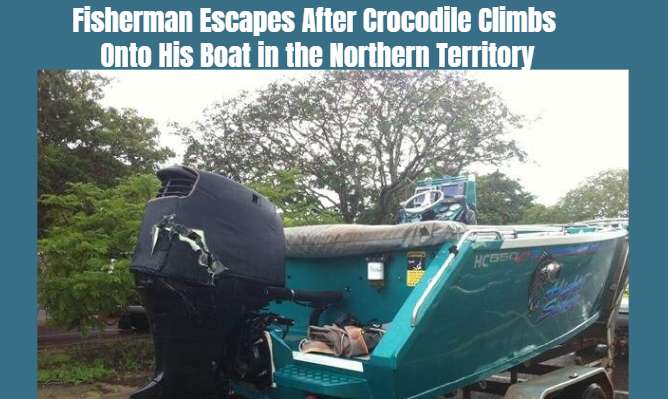
A fisherman escaped unharmed after a large crocodile climbed onto his boat while he was fishing alone on the Mary River, prompting renewed safety warnin...
A filmmaker from Bourke in western New South Wales has taken over leadership of an Indigenous film festival in Paris, creating an opportunity to bring A...
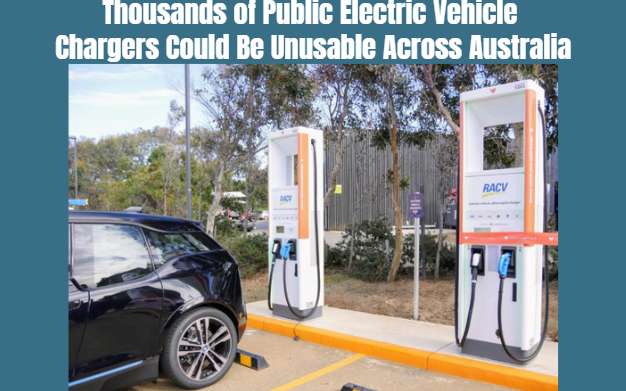
Concerns are growing over the reliability and availability of Australia's public electric vehicle charging network, with thousands of charging points po...
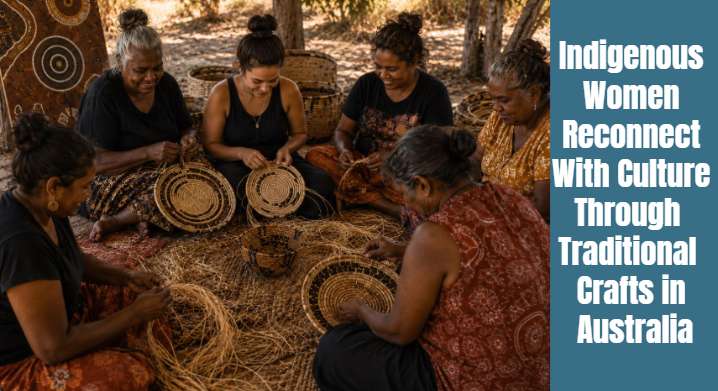
Indigenous women are using traditional weaving and craft-making to strengthen cultural connections, preserve knowledge passed down through generations a...
A freedom of information request has revealed that Gold Coast Council does not hold a copy of the invoice for Mayor Tom Tate's three-day stay at Donald...
Eight people have died in separate road crashes across Victoria during the Melbourne Cup long weekend, with four of the fatal incidents involving motorc...
A fisherman escaped unharmed after a large crocodile climbed onto his boat while he was fishing alone on the Mary River, prompting renewed safety warnin...