Antisemitism Envoy Proposes New Protest Restrictions and Visa Reviews Across Australia
By Chloe · Published 30 Oct 2026 · Updated 30 Oct 2026
Canberra, ACT · ACT News
Safety note: Admin approval is an initial review, not a guarantee that every detail is correct. Check important or urgent claims with official sources and report anything inaccurate or unsafe.
Source and credit: Contributor's own report
Antisemitism Envoy Proposes New Protest Restrictions and Visa Reviews Across Australia - Canberra, ACT
Smart summary
Australia's antisemitism envoy has recommended stronger protest rules, additional visa checks and independent oversight of public broadcasters as part of a new national plan to tackle antisemitism.
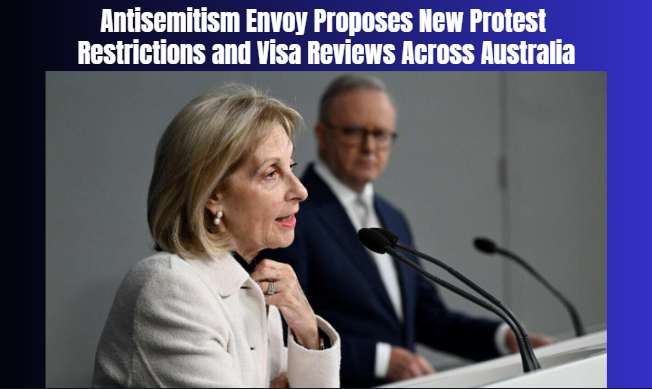
Australia's Special Envoy to Combat Antisemitism, Jillian Segal, has released an updated report recommending a series of measures aimed at addressing antisemitism across Australian society. The proposals include restrictions on face coverings at protests, additional checks on visa holders and changes to the way public broadcasters handle complaints about their reporting.
The report was released on Friday, 30 October 2026, approximately ten months after the deadly Bondi Beach terror attack, in which 15 people were killed during an attack targeting a Jewish festival. It builds on an earlier national plan and identifies areas where the envoy believes further action is needed.
One of the major recommendations concerns public demonstrations. Segal has called for restrictions on face coverings at protests and the introduction of exclusion zones around certain locations. She argues that these measures could help prevent intimidation and reduce the risk of antisemitic behaviour escalating into violence.
The report also recommends establishing safe-access exclusion zones for protests, drawing comparisons with arrangements used around abortion clinics. These proposed measures would need to be considered by governments before any new restrictions could become law.
Immigration is another major focus. The report recommends creating a dedicated team within the Department of Home Affairs to review previously granted visas where credible concerns exist about a person's alleged antisemitic views.
It also proposes additional risk-based checks for future visa applicants to identify views that may be considered inconsistent with Australian values. The envoy wants the government to publish information about visa refusals and cancellations connected with these measures.
Another recommendation concerns Australia's public broadcasters, the ABC and SBS. Segal has proposed transferring some responsibilities currently handled by their internal ombudsmen to an external independent ombudsman. The proposed arrangement would examine complaints about reporting on Israel and the Middle East.
Both broadcasters have rejected the need for an additional external watchdog. They say their existing complaints procedures, editorial standards and independent oversight arrangements provide sufficient accountability.
The report also addresses Australia's arts and cultural sector. Segal says Jewish artists have experienced exclusion and professional difficulties and recommends a government grant program to help them reconnect with creative industries.
She has also proposed enforceable conditions for publicly funded arts organisations. Under the recommendation, organisations or recipients found to engage in antisemitism could face the loss of government funding.
The university and healthcare sectors are also included in the recommendations. The report calls for stronger institutional policies, improved education and better reporting systems to address antisemitism affecting students, employees and patients.
The proposals have generated disagreement. Supporters argue that stronger safeguards are needed to protect Jewish Australians, while critics have raised concerns about freedom of expression, academic independence and the possibility that legitimate criticism of the Israeli government could be incorrectly treated as antisemitism.
The federal government has welcomed the envoy's continued work and said it will continue working towards stronger social cohesion.
These recommendations are not automatically new laws. The government must consider which proposals to adopt and how they could be implemented while protecting democratic freedoms and the rights of Australians.
The Royal Commission on Antisemitism and Social Cohesion is expected to deliver its final report on 18 December 2026. Its findings may influence the government's next steps on these issues.
AntisemitismGovernmentAlsoCouldEnvoy
Australia's Special Envoy to Combat Antisemitism, Jillian Segal, has released an updated report recommending a series of measures aimed at addressing antisemitism across Australian society. The proposals include restrictions on face coverings at protests, additional checks on visa holders and changes to the way public broadcasters handle complaints about their reporting.
The report was released on Friday, 30 October 2026, approximately ten months after the deadly Bondi Beach terror attack, in which 15 people were killed during an attack targeting a Jewish festival. It builds on an earlier national plan and identifies areas where the envoy believes further action is needed.
One of the major recommendations concerns public demonstrations. Segal has called for restrictions on face coverings at protests and the introduction of exclusion zones around certain locations. She argues that these measures could help prevent intimidation and reduce the risk of antisemitic behaviour escalating into violence.
The report also recommends establishing safe-access exclusion zones for protests, drawing comparisons with arrangements used around abortion clinics. These proposed measures would need to be considered by governments before any new restrictions could become law.
Immigration is another major focus. The report recommends creating a dedicated team within the Department of Home Affairs to review previously granted visas where credible concerns exist about a person's alleged antisemitic views.
It also proposes additional risk-based checks for future visa applicants to identify views that may be considered inconsistent with Australian values. The envoy wants the government to publish information about visa refusals and cancellations connected with these measures.
Another recommendation concerns Australia's public broadcasters, the ABC and SBS. Segal has proposed transferring some responsibilities currently handled by their internal ombudsmen to an external independent ombudsman. The proposed arrangement would examine complaints about reporting on Israel and the Middle East.
Both broadcasters have rejected the need for an additional external watchdog. They say their existing complaints procedures, editorial standards and independent oversight arrangements provide sufficient accountability.
The report also addresses Australia's arts and cultural sector. Segal says Jewish artists have experienced exclusion and professional difficulties and recommends a government grant program to help them reconnect with creative industries.
She has also proposed enforceable conditions for publicly funded arts organisations. Under the recommendation, organisations or recipients found to engage in antisemitism could face the loss of government funding.
The university and healthcare sectors are also included in the recommendations. The report calls for stronger institutional policies, improved education and better reporting systems to address antisemitism affecting students, employees and patients.
The proposals have generated disagreement. Supporters argue that stronger safeguards are needed to protect Jewish Australians, while critics have raised concerns about freedom of expression, academic independence and the possibility that legitimate criticism of the Israeli government could be incorrectly treated as antisemitism.
The federal government has welcomed the envoy's continued work and said it will continue working towards stronger social cohesion.
These recommendations are not automatically new laws. The government must consider which proposals to adopt and how they could be implemented while protecting democratic freedoms and the rights of Australians.
The Royal Commission on Antisemitism and Social Cohesion is expected to deliver its final report on 18 December 2026. Its findings may influence the government's next steps on these issues.
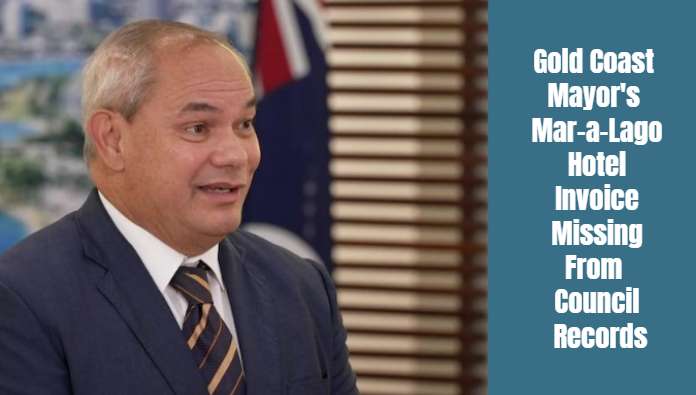
A freedom of information request has revealed that Gold Coast Council does not hold a copy of the invoice for Mayor Tom Tate's three-day stay at Donald...
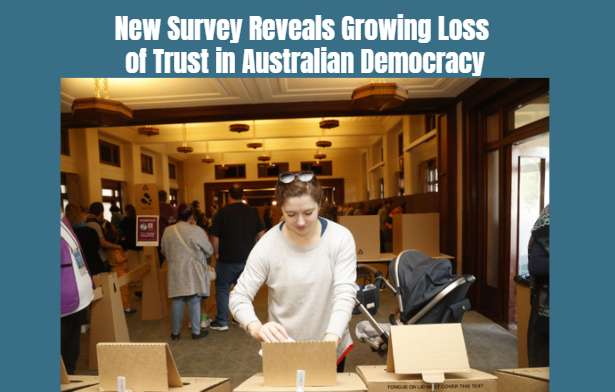
A nationwide survey of 4,000 Australians reveals declining confidence in politicians, growing dissatisfaction with democracy and significant differences...
New figures reveal more than $3 million in government spending on promotional merchandise, including unusual items such as condoms and lollies, raising...
Young residents, Indigenous advocates and farmers are raising concerns about proposed mining and gas extraction projects, warning that decisions made to...
New figures reveal more than $3 million in government spending on promotional merchandise, including unusual items such as condoms and lollies, raising...
The Australian government has launched a parliamentary investigation into whether Australia Post is keeping up with changing customer needs as tradition...
The federal government is seeking Senate support for legislation intended to make major digital platforms more accountable for content circulated online...
A freedom of information request has revealed that Gold Coast Council does not hold a copy of the invoice for Mayor Tom Tate's three-day stay at Donald...
Eight people have died in separate road crashes across Victoria during the Melbourne Cup long weekend, with four of the fatal incidents involving motorc...
A fisherman escaped unharmed after a large crocodile climbed onto his boat while he was fishing alone on the Mary River, prompting renewed safety warnin...