Pharmaceutical Company Seeks Approval to Increase Antibiotic Use on Tasmanian Salmon Farms
By Chloe · Published 30 Oct 2026 · Updated 30 Oct 2026
Hobart, TAS · Tasmania News
Safety note: Admin approval is an initial review, not a guarantee that every detail is correct. Check important or urgent claims with official sources and report anything inaccurate or unsafe.
Source and credit: Contributor's own report
Pharmaceutical Company Seeks Approval to Increase Antibiotic Use on Tasmanian Salmon Farms - Hobart, TAS
Smart summary
An animal health company has applied to increase antibiotic dosage levels and expand treatment areas in Tasmania's salmon farming industry, raising concerns among environmental groups and seafood businesses about poss...
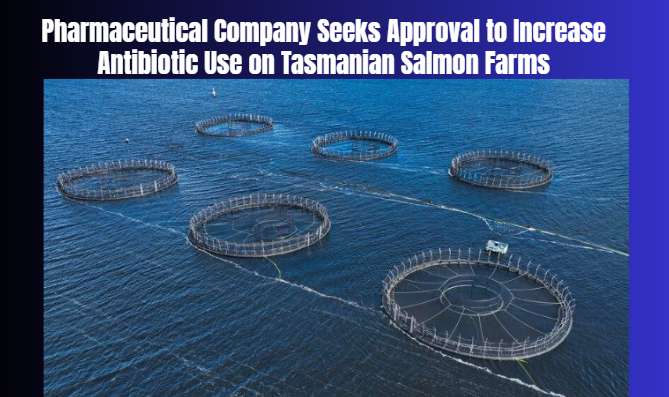
A pharmaceutical company has applied for permission to increase the use of a controversial antibiotic in Tasmania's salmon farming industry, raising fresh concerns about environmental protection and the future of commercial fishing businesses.
The application was reported on 30 October 2026 after the Australian Pesticides and Veterinary Medicines Authority (APVMA) confirmed that it was assessing a request submitted by animal health company Abbey Animal Health, also known as Abbey Labs.
The company is seeking approval to increase the dosage and treatment frequency of florfenicol, an antibiotic used to treat bacterial infections in farmed salmon. The application also seeks permission to expand the geographical areas where the treatment could be used, including Tasmania's eastern biosecurity zone.
The issue has attracted considerable attention because an earlier emergency permit allowing florfenicol use was revoked in March 2026 following concerns about antibiotic residues in wild marine animals.
Florfenicol was initially introduced into Tasmania's salmon farming industry in November 2025 after a serious bacterial disease affected farmed fish. The outbreak resulted in the deaths of approximately 15,000 tonnes of salmon during early 2025, creating major challenges for fish farmers.
The antibiotic was approved under an emergency permit to help control the disease and protect fish welfare. However, subsequent testing detected traces of the medication in wild fish located up to 10 kilometres from treated salmon pens. Residues were also identified in abalone found as far as 14 kilometres away.
These findings raised concerns about the potential movement of antibiotics through the marine environment and their effects on species outside commercial salmon farms.
The APVMA revoked the previous permit because of what it described as an unacceptable risk of residue exposure to non-target species.
During a Senate estimates hearing earlier this week, APVMA chief executive Scott Hansen confirmed that Abbey Labs had submitted a second application seeking expanded treatment locations and higher dosage rates.
The regulator is assessing several issues, including environmental impacts, possible antimicrobial resistance and the time required for antibiotic residues to disappear from treated fish.
The application has attracted opposition from Tasmania's commercial fishing industry. Representatives of the rock lobster, abalone and commercial diving sectors have warned that renewed antibiotic use could affect their businesses and international seafood markets.
Some fisheries were previously closed because of concerns about possible contamination during the earlier treatment period.
Industry representatives fear that increasing dosage levels and treatment duration could create additional environmental exposure risks. They are particularly concerned about the possibility of further residue detections affecting seafood exports.
Greens senator Vanessa Bleyer has called on the regulator to reject the applications, arguing that the potential environmental consequences must be carefully considered.
Meanwhile, Salmon Tasmania chief executive John Whittington has defended the industry's approach, describing florfenicol as one part of a broader fish health strategy. He said its use was medically justified and subject to regulatory controls.
The Tasmanian government has also developed a plan involving temporary closures of certain wild fisheries if antibiotic treatment is authorised. Under the proposed arrangements, some rock lobster and abalone fishing areas could be closed for at least six weeks during treatment periods.
The APVMA has not yet approved the new application. Its assessment will help determine whether the proposed treatment can be used safely without creating unacceptable risks for marine wildlife, seafood consumers and commercial fishing businesses.
The decision could have significant consequences for Tasmania's aquaculture industry and the wider fishing economy.
AntibioticSalmonTreatmentFishIndustry
A pharmaceutical company has applied for permission to increase the use of a controversial antibiotic in Tasmania's salmon farming industry, raising fresh concerns about environmental protection and the future of commercial fishing businesses.
The application was reported on 30 October 2026 after the Australian Pesticides and Veterinary Medicines Authority (APVMA) confirmed that it was assessing a request submitted by animal health company Abbey Animal Health, also known as Abbey Labs.
The company is seeking approval to increase the dosage and treatment frequency of florfenicol, an antibiotic used to treat bacterial infections in farmed salmon. The application also seeks permission to expand the geographical areas where the treatment could be used, including Tasmania's eastern biosecurity zone.
The issue has attracted considerable attention because an earlier emergency permit allowing florfenicol use was revoked in March 2026 following concerns about antibiotic residues in wild marine animals.
Florfenicol was initially introduced into Tasmania's salmon farming industry in November 2025 after a serious bacterial disease affected farmed fish. The outbreak resulted in the deaths of approximately 15,000 tonnes of salmon during early 2025, creating major challenges for fish farmers.
The antibiotic was approved under an emergency permit to help control the disease and protect fish welfare. However, subsequent testing detected traces of the medication in wild fish located up to 10 kilometres from treated salmon pens. Residues were also identified in abalone found as far as 14 kilometres away.
These findings raised concerns about the potential movement of antibiotics through the marine environment and their effects on species outside commercial salmon farms.
The APVMA revoked the previous permit because of what it described as an unacceptable risk of residue exposure to non-target species.
During a Senate estimates hearing earlier this week, APVMA chief executive Scott Hansen confirmed that Abbey Labs had submitted a second application seeking expanded treatment locations and higher dosage rates.
The regulator is assessing several issues, including environmental impacts, possible antimicrobial resistance and the time required for antibiotic residues to disappear from treated fish.
The application has attracted opposition from Tasmania's commercial fishing industry. Representatives of the rock lobster, abalone and commercial diving sectors have warned that renewed antibiotic use could affect their businesses and international seafood markets.
Some fisheries were previously closed because of concerns about possible contamination during the earlier treatment period.
Industry representatives fear that increasing dosage levels and treatment duration could create additional environmental exposure risks. They are particularly concerned about the possibility of further residue detections affecting seafood exports.
Greens senator Vanessa Bleyer has called on the regulator to reject the applications, arguing that the potential environmental consequences must be carefully considered.
Meanwhile, Salmon Tasmania chief executive John Whittington has defended the industry's approach, describing florfenicol as one part of a broader fish health strategy. He said its use was medically justified and subject to regulatory controls.
The Tasmanian government has also developed a plan involving temporary closures of certain wild fisheries if antibiotic treatment is authorised. Under the proposed arrangements, some rock lobster and abalone fishing areas could be closed for at least six weeks during treatment periods.
The APVMA has not yet approved the new application. Its assessment will help determine whether the proposed treatment can be used safely without creating unacceptable risks for marine wildlife, seafood consumers and commercial fishing businesses.
The decision could have significant consequences for Tasmania's aquaculture industry and the wider fishing economy.
Australian property values have fallen for seven consecutive months, with the national median home value dropping approximately $63,400 since March as h...
Around 8,000 customers in Western Australia's coastal city of Albany will need to replace gas appliances with electric alternatives or switch to bottled...
Buyers from Sydney and Melbourne are purchasing homes in Alice Springs at a rapid pace, attracted by strong rental returns and limited housing availabil...
Growing awareness of Auslan is highlighting the importance of teaching children sign language and helping them communicate with people who are deaf or h...
Two next-generation Spirit of Tasmania vessels begin their first passenger journeys between Victoria and Tasmania, bringing increased passenger capacity...
Restoration work on one of Tasmania’s oldest theatres is underway, but difficult site conditions have pushed costs more than $13 million above the origi...
A bill to prohibit conversion practices has passed Tasmania’s lower house, marking a significant step in the state’s debate over protections for LGBTQIA...
Re-elected Devonport mayor Alison Jarman has made council amalgamation a priority, arguing that neighbouring local governments could take cooperation a...
A freedom of information request has revealed that Gold Coast Council does not hold a copy of the invoice for Mayor Tom Tate's three-day stay at Donald...
Eight people have died in separate road crashes across Victoria during the Melbourne Cup long weekend, with four of the fatal incidents involving motorc...
A fisherman escaped unharmed after a large crocodile climbed onto his boat while he was fishing alone on the Mary River, prompting renewed safety warnin...