Interstate investors drive surge in Alice Springs property sales
By Chloe · Published 31 Oct 2026 · Updated 31 Oct 2026
Alice Springs, NT · Northern Territory News
Safety note: Admin approval is an initial review, not a guarantee that every detail is correct. Check important or urgent claims with official sources and report anything inaccurate or unsafe.
Source and credit: Contributor's own report
Interstate investors drive surge in Alice Springs property sales - Alice Springs, NT
Smart summary
Buyers from Sydney and Melbourne are purchasing homes in Alice Springs at a rapid pace, attracted by strong rental returns and limited housing availability.
Alice Springs is experiencing a sharp increase in property investment, with buyers from other Australian states purchasing residential homes in the outback town. Local real estate agents say the sudden rise in demand has significantly increased property sales and created fresh competition for local buyers.
Investors from Melbourne and Sydney are reportedly targeting houses priced between $400,000 and $500,000. Some buyers are making decisions without physically inspecting properties, with homes reportedly being purchased within 24 hours of being advertised.
Eli Melky, principal of First National Real Estate Alice Springs, said interstate investors were attracted by the rental income available in the town. According to him, buyers are looking for locations where rental returns are relatively high compared with the purchase price.
The increase in demand has also changed the workload of local real estate agencies. Melky said his business had sold approximately 25 houses during the previous month, compared with its earlier record of around five sales per month.
Another local agent, Marion Burton, estimated that interstate investors had purchased approximately 40 to 50 properties during the first quarter of the financial year. She expected the number could approach 100 as the investment activity continued.
One of the major factors attracting buyers is the rental market. The average weekly rent for a three-bedroom house in Alice Springs has reached approximately $650, representing a 31 per cent increase compared with a decade earlier.
The rental vacancy rate is also extremely low, sitting at around 1.4 per cent. This means relatively few properties are available for people searching for accommodation.
Limited housing supply, construction expenses and a shortage of suitable land have contributed to the pressure. Local real estate representatives say these conditions have made rental properties particularly attractive to investors seeking regular income.
However, the investment surge has raised concerns about affordability. While existing homeowners may benefit from stronger demand and increased opportunities to sell, first-home buyers could find it harder to compete against investors with established financing arrangements.
Housing advocates have also warned that changing property ownership does not automatically increase the number of available homes. Annie Taylor, chief executive of NT Shelter, said Alice Springs needed more affordable housing rather than simply more transactions involving existing properties.
There are also concerns about the effect on tenants. Although investor purchases can allow some existing renters to remain in their homes, the broader shortage of rental properties continues to create difficulties for families and people moving to the region.
The growing interest from interstate buyers highlights the changing property market in Alice Springs. Local housing availability, rental affordability and competition between investors and residents are likely to remain important issues as the market develops.
BuyersInvestorsRentalAliceProperties
Alice Springs is experiencing a sharp increase in property investment, with buyers from other Australian states purchasing residential homes in the outback town. Local real estate agents say the sudden rise in demand has significantly increased property sales and created fresh competition for local buyers.
Investors from Melbourne and Sydney are reportedly targeting houses priced between $400,000 and $500,000. Some buyers are making decisions without physically inspecting properties, with homes reportedly being purchased within 24 hours of being advertised.
Eli Melky, principal of First National Real Estate Alice Springs, said interstate investors were attracted by the rental income available in the town. According to him, buyers are looking for locations where rental returns are relatively high compared with the purchase price.
The increase in demand has also changed the workload of local real estate agencies. Melky said his business had sold approximately 25 houses during the previous month, compared with its earlier record of around five sales per month.
Another local agent, Marion Burton, estimated that interstate investors had purchased approximately 40 to 50 properties during the first quarter of the financial year. She expected the number could approach 100 as the investment activity continued.
One of the major factors attracting buyers is the rental market. The average weekly rent for a three-bedroom house in Alice Springs has reached approximately $650, representing a 31 per cent increase compared with a decade earlier.
The rental vacancy rate is also extremely low, sitting at around 1.4 per cent. This means relatively few properties are available for people searching for accommodation.
Limited housing supply, construction expenses and a shortage of suitable land have contributed to the pressure. Local real estate representatives say these conditions have made rental properties particularly attractive to investors seeking regular income.
However, the investment surge has raised concerns about affordability. While existing homeowners may benefit from stronger demand and increased opportunities to sell, first-home buyers could find it harder to compete against investors with established financing arrangements.
Housing advocates have also warned that changing property ownership does not automatically increase the number of available homes. Annie Taylor, chief executive of NT Shelter, said Alice Springs needed more affordable housing rather than simply more transactions involving existing properties.
There are also concerns about the effect on tenants. Although investor purchases can allow some existing renters to remain in their homes, the broader shortage of rental properties continues to create difficulties for families and people moving to the region.
The growing interest from interstate buyers highlights the changing property market in Alice Springs. Local housing availability, rental affordability and competition between investors and residents are likely to remain important issues as the market develops.
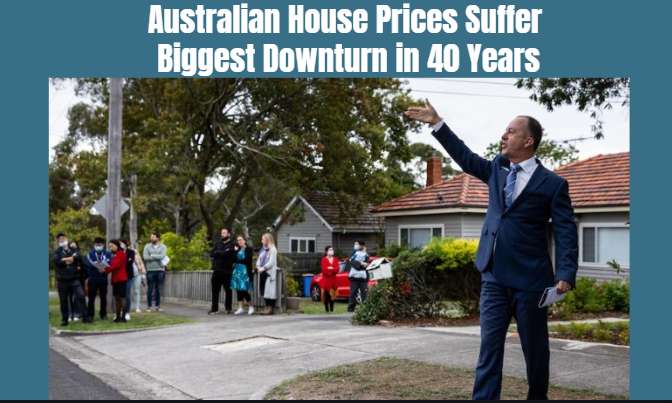
Australian property values have fallen for seven consecutive months, with the national median home value dropping approximately $63,400 since March as h...
Around 8,000 customers in Western Australia's coastal city of Albany will need to replace gas appliances with electric alternatives or switch to bottled...
Growing awareness of Auslan is highlighting the importance of teaching children sign language and helping them communicate with people who are deaf or h...
An animal health company has applied to increase antibiotic dosage levels and expand treatment areas in Tasmania's salmon farming industry, raising conc...
The Northern Territory government has admitted that its initial $500,000 school upgrade budget is insufficient, promising additional funding as two Alic...
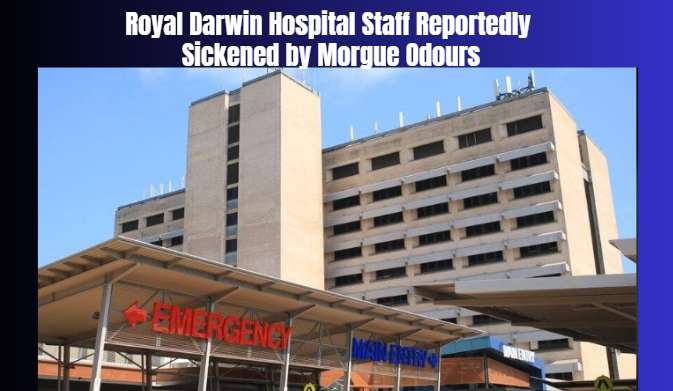
A health workers’ union says pathology staff have been exposed to persistent odours from the hospital morgue, while mould concerns have also been raised...
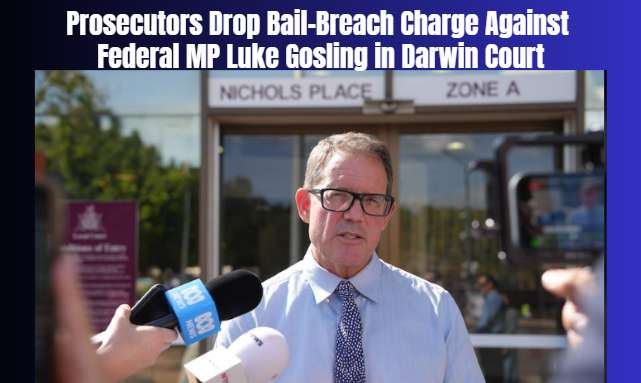
A Darwin Local Court hearing sees prosecutors withdraw one charge against Labor MP Luke Gosling, but two allegations of assault involving the Northern T...
Darwin's housing market is showing resilience while property prices weaken across much of Australia. Some homeowners are considering selling to secure p...
Eight people have died in separate road crashes across Victoria during the Melbourne Cup long weekend, with four of the fatal incidents involving motorc...
A fisherman escaped unharmed after a large crocodile climbed onto his boat while he was fishing alone on the Mary River, prompting renewed safety warnin...
New South Wales has begun accepting firearms under the national gun buyback scheme, but limited appointment availability has created an early challenge...
The new laboratory in Bundaberg will allow Indigenous rangers and traditional owner groups to test water locally, strengthening environmental management...