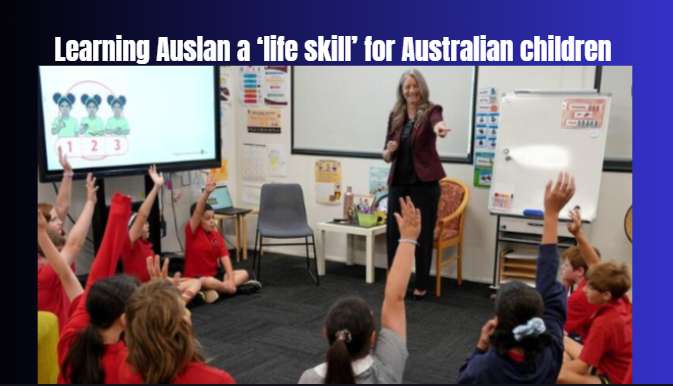
Learning Auslan a ‘life skill’ for Australian children
By Chloe · Published 31 Oct 2026 · Updated 31 Oct 2026
Gold Coast, QLD · Queensland News
Safety note: Admin approval is an initial review, not a guarantee that every detail is correct. Check important or urgent claims with official sources and report anything inaccurate or unsafe.
Source and credit: Contributor's own report
Learning Auslan a ‘life skill’ for Australian children - Gold Coast, QLD
Smart summary
Growing awareness of Auslan is highlighting the importance of teaching children sign language and helping them communicate with people who are deaf or hard of hearing.
Australia’s fashion retail industry is experiencing a significant shift, with several online-first clothing and beauty businesses expanding into physical shops while established retail brands face financial difficulties and store closures.
The changing trend is drawing attention to how Australian consumers want to shop. Although online shopping remains important, some customers are increasingly interested in visiting stores, seeing products in person, trying on clothing and experiencing a brand before making a purchase.
One example is Australian fashion retailer Princess Polly, which has been expanding its physical retail presence. The company has opened stores on the Gold Coast and in Brisbane, following its earlier expansion into Sydney. Its Gold Coast opening at Pacific Fair attracted hundreds of customers, with shoppers arriving early to attend the launch.
Company executives say customers have shown enthusiasm for being able to visit stores and experience products directly. The business sees physical shops as an additional way to connect with shoppers rather than a replacement for its online operations.
The expansion comes at a difficult time for several traditional Australian fashion retailers. Mosaic Brands, which owned labels including Katies, Millers and Noni B, collapsed. Other established businesses, including Cue Clothing Co, Veronika Maine, Betts and Jeanswest, have also entered administration. Country Road Group has reduced its physical retail presence.
The pressure on traditional retailers reflects wider challenges in the industry. Retail businesses are dealing with changing customer preferences, competition, operating costs and uncertainty around discretionary spending. Industry data cited in the report shows that retail insolvency rates have been rising since June 2022.
Other online businesses are also exploring physical locations. Beauty retailers Oz Hair and Beauty and Adore Beauty, activewear brand Kikiva and furniture company Mocka are among businesses that have opened stores in recent years.
Retail experts say the most effective approach may be to combine online and in-store shopping. Physical locations can help customers understand products, interact with staff and develop a stronger connection with a brand. Stores can also create interest that encourages customers to continue shopping online.
However, opening shops brings additional responsibilities, including rent, staffing, stock management and maintaining consistent customer service. Experts caution that online businesses need to expand carefully rather than opening too many locations too quickly.
The trend suggests that physical retail is not disappearing. Instead, the relationship between online shopping and traditional stores is changing. Businesses that understand customer expectations and manage both channels effectively may find new opportunities in Australia's competitive fashion market.
RetailBusinessesOnlinePhysicalStores
Australia’s fashion retail industry is experiencing a significant shift, with several online-first clothing and beauty businesses expanding into physical shops while established retail brands face financial difficulties and store closures.
The changing trend is drawing attention to how Australian consumers want to shop. Although online shopping remains important, some customers are increasingly interested in visiting stores, seeing products in person, trying on clothing and experiencing a brand before making a purchase.
One example is Australian fashion retailer Princess Polly, which has been expanding its physical retail presence. The company has opened stores on the Gold Coast and in Brisbane, following its earlier expansion into Sydney. Its Gold Coast opening at Pacific Fair attracted hundreds of customers, with shoppers arriving early to attend the launch.
Company executives say customers have shown enthusiasm for being able to visit stores and experience products directly. The business sees physical shops as an additional way to connect with shoppers rather than a replacement for its online operations.
The expansion comes at a difficult time for several traditional Australian fashion retailers. Mosaic Brands, which owned labels including Katies, Millers and Noni B, collapsed. Other established businesses, including Cue Clothing Co, Veronika Maine, Betts and Jeanswest, have also entered administration. Country Road Group has reduced its physical retail presence.
The pressure on traditional retailers reflects wider challenges in the industry. Retail businesses are dealing with changing customer preferences, competition, operating costs and uncertainty around discretionary spending. Industry data cited in the report shows that retail insolvency rates have been rising since June 2022.
Other online businesses are also exploring physical locations. Beauty retailers Oz Hair and Beauty and Adore Beauty, activewear brand Kikiva and furniture company Mocka are among businesses that have opened stores in recent years.
Retail experts say the most effective approach may be to combine online and in-store shopping. Physical locations can help customers understand products, interact with staff and develop a stronger connection with a brand. Stores can also create interest that encourages customers to continue shopping online.
However, opening shops brings additional responsibilities, including rent, staffing, stock management and maintaining consistent customer service. Experts caution that online businesses need to expand carefully rather than opening too many locations too quickly.
The trend suggests that physical retail is not disappearing. Instead, the relationship between online shopping and traditional stores is changing. Businesses that understand customer expectations and manage both channels effectively may find new opportunities in Australia's competitive fashion market.
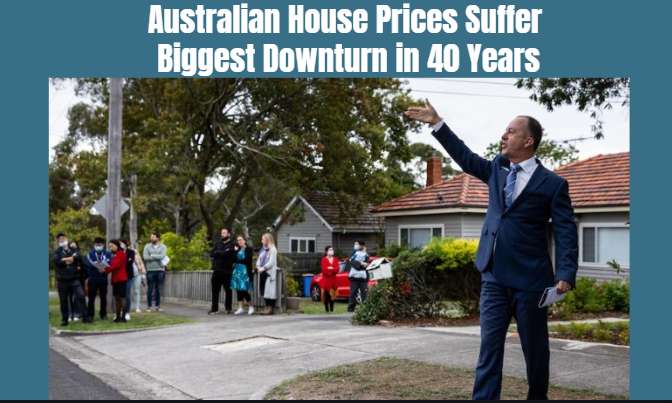
Australian property values have fallen for seven consecutive months, with the national median home value dropping approximately $63,400 since March as h...
Around 8,000 customers in Western Australia's coastal city of Albany will need to replace gas appliances with electric alternatives or switch to bottled...
Buyers from Sydney and Melbourne are purchasing homes in Alice Springs at a rapid pace, attracted by strong rental returns and limited housing availabil...
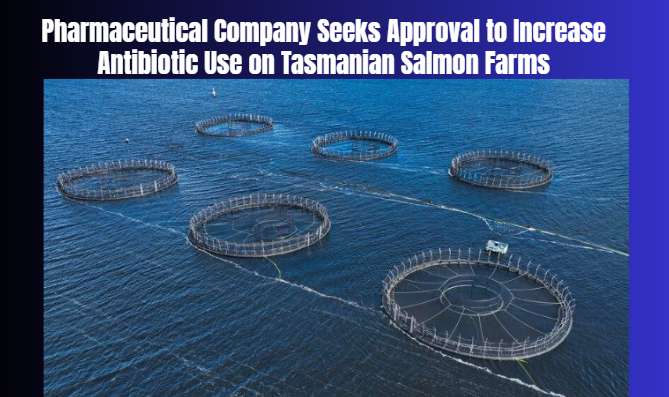
An animal health company has applied to increase antibiotic dosage levels and expand treatment areas in Tasmania's salmon farming industry, raising conc...
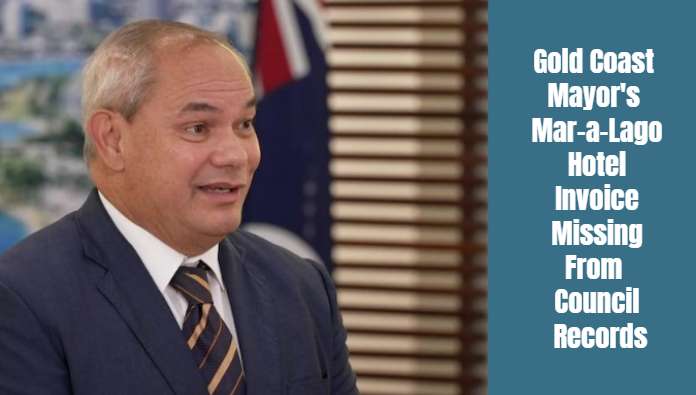
A freedom of information request has revealed that Gold Coast Council does not hold a copy of the invoice for Mayor Tom Tate's three-day stay at Donald...
Eight people have died in separate road crashes across Victoria during the Melbourne Cup long weekend, with four of the fatal incidents involving motorc...
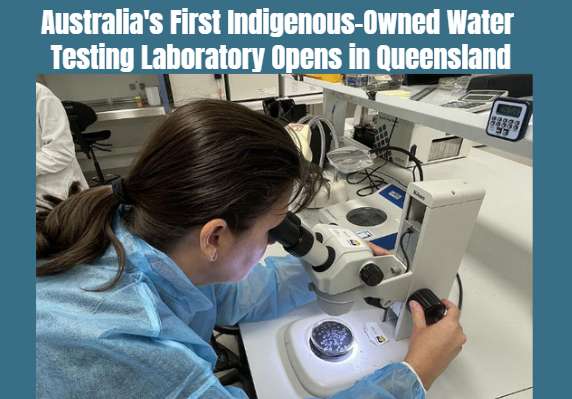
The new laboratory in Bundaberg will allow Indigenous rangers and traditional owner groups to test water locally, strengthening environmental management...
A freedom of information request has revealed that Gold Coast Council does not hold a copy of the invoice for Mayor Tom Tate's three-day stay at Donald...
Eight people have died in separate road crashes across Victoria during the Melbourne Cup long weekend, with four of the fatal incidents involving motorc...
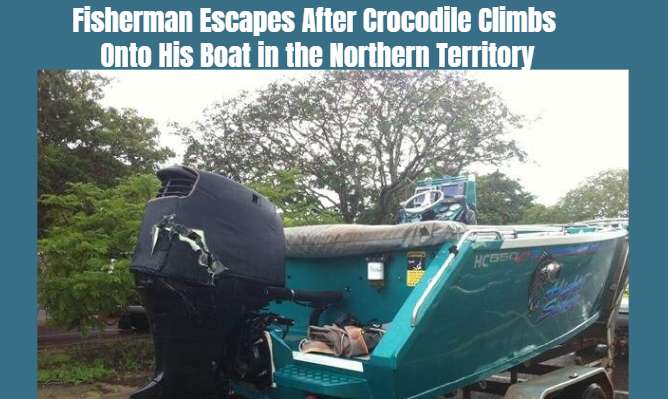
A fisherman escaped unharmed after a large crocodile climbed onto his boat while he was fishing alone on the Mary River, prompting renewed safety warnin...