Safety note: Admin approval is an initial review, not a guarantee that every detail is correct. Check important or urgent claims with official sources and report anything inaccurate or unsafe.
Source and credit: Contributor's own report
Major Newcastle Inner City Bypass Opens, Expected to Reduce Traffic Across the Region - Newcastle, NSW
Smart summary
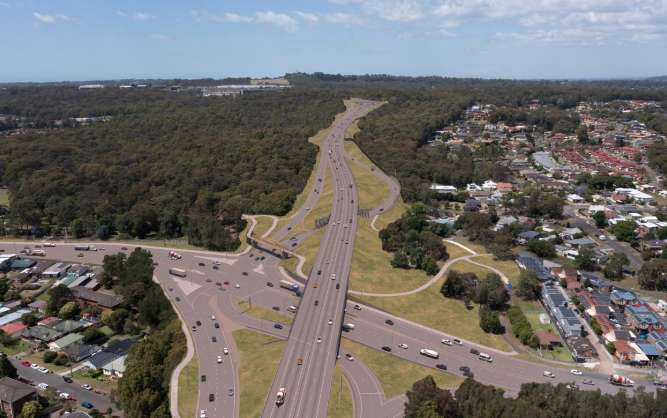
The final section of Newcastle's $488 million Inner City Bypass has officially opened, giving motorists a new route around 11 traffic lights and improving connections across the Hunter region.
Motorists in Newcastle and the wider Hunter region have gained a major new transport connection following the official opening of the final section of the Newcastle Inner City Bypass on Friday, 20 November 2026.
The newly opened Rankin Park to Jesmond section completes the $488 million Inner City Bypass project, which has been developed to improve traffic movement and reduce congestion across one of New South Wales' important regional urban areas.
The opening represents a significant milestone for Newcastle's transport network. The completed bypass allows motorists travelling through the area to avoid 11 sets of traffic lights, providing an alternative to several busy local roads and intersections.
According to ABC News, the completed route is expected to remove up to 30,000 vehicles from local roads every day. This is expected to make daily journeys easier for commuters, businesses, delivery drivers and other road users travelling through Newcastle.
One of the major expected benefits is a reduction in peak-hour travel times. Federal Transport Minister Catherine King said the completed section was expected to halve travel times during morning and afternoon peak periods.
The improvement could be particularly important for people travelling between residential areas, employment centres and major transport connections. Newcastle has experienced continuing development and changing travel patterns, increasing the importance of reliable road infrastructure.
The bypass has been planned over several decades. The vision for a north-south transport corridor was first identified during the 1950s, reflecting the long-standing need for a route that could help traffic move around the city's more congested areas.
Construction and development of the wider corridor have taken place in stages. The first section, connecting Rankin Park and Kotara, opened in 1983. Subsequent stages gradually expanded the route, with the Rankin Park to Jesmond section completing the final part of the project.
The completed road connection is expected to provide benefits beyond individual motorists. Businesses that rely on road transport could experience more predictable journey times, while reducing traffic pressure on local streets may also improve access for residents and emergency services.
However, the actual impact will depend on how motorists use the new route and how traffic patterns change across nearby roads. Local authorities and transport agencies will continue to monitor traffic conditions following the opening.
The project marks an important step in Newcastle's long-term infrastructure development. By providing an alternative route through the region, the completed bypass is intended to support population growth, improve transport efficiency and strengthen connections across the Hunter.
For Newcastle residents, commuters and businesses, the opening of the final section represents the completion of a transport project that has been planned for generations.
TransportNewcastleTrafficBypassExpected
Motorists in Newcastle and the wider Hunter region have gained a major new transport connection following the official opening of the final section of the Newcastle Inner City Bypass on Friday, 20 November 2026.
The newly opened Rankin Park to Jesmond section completes the $488 million Inner City Bypass project, which has been developed to improve traffic movement and reduce congestion across one of New South Wales' important regional urban areas.
The opening represents a significant milestone for Newcastle's transport network. The completed bypass allows motorists travelling through the area to avoid 11 sets of traffic lights, providing an alternative to several busy local roads and intersections.
According to ABC News, the completed route is expected to remove up to 30,000 vehicles from local roads every day. This is expected to make daily journeys easier for commuters, businesses, delivery drivers and other road users travelling through Newcastle.
One of the major expected benefits is a reduction in peak-hour travel times. Federal Transport Minister Catherine King said the completed section was expected to halve travel times during morning and afternoon peak periods.
The improvement could be particularly important for people travelling between residential areas, employment centres and major transport connections. Newcastle has experienced continuing development and changing travel patterns, increasing the importance of reliable road infrastructure.
The bypass has been planned over several decades. The vision for a north-south transport corridor was first identified during the 1950s, reflecting the long-standing need for a route that could help traffic move around the city's more congested areas.
Construction and development of the wider corridor have taken place in stages. The first section, connecting Rankin Park and Kotara, opened in 1983. Subsequent stages gradually expanded the route, with the Rankin Park to Jesmond section completing the final part of the project.
The completed road connection is expected to provide benefits beyond individual motorists. Businesses that rely on road transport could experience more predictable journey times, while reducing traffic pressure on local streets may also improve access for residents and emergency services.
However, the actual impact will depend on how motorists use the new route and how traffic patterns change across nearby roads. Local authorities and transport agencies will continue to monitor traffic conditions following the opening.
The project marks an important step in Newcastle's long-term infrastructure development. By providing an alternative route through the region, the completed bypass is intended to support population growth, improve transport efficiency and strengthen connections across the Hunter.
For Newcastle residents, commuters and businesses, the opening of the final section represents the completion of a transport project that has been planned for generations.
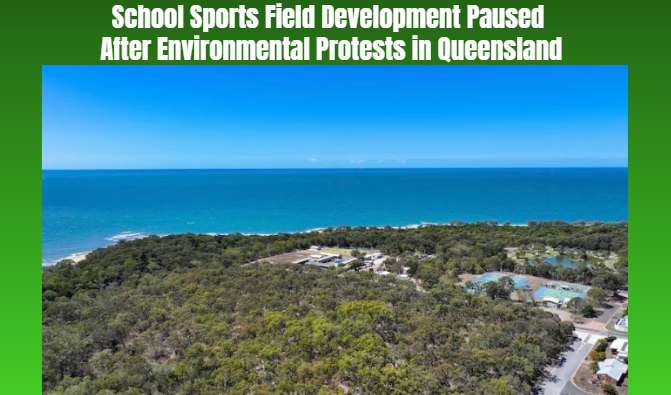
A proposed school sports field development at Canoe Point in Tannum Sands has been paused after environmental concerns were raised about clearing native...
Equine Herpesvirus-1 has been detected in four horses in the Upper Hunter region, prompting a biosecurity alert over the risk of neurological illness, p...
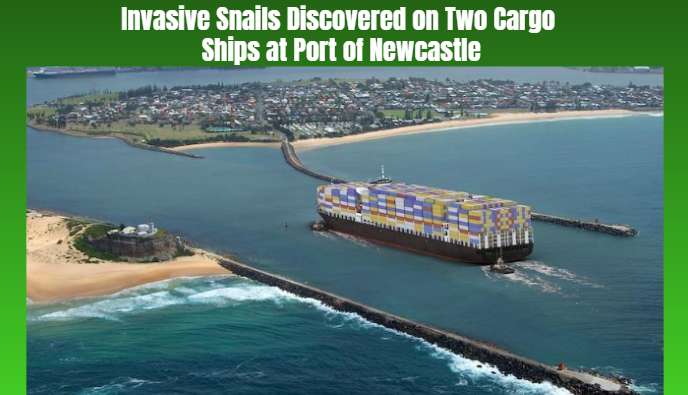
Invasive snails have been discovered on two cargo vessels carrying imported goods at the Port of Newcastle, prompting quarantine and biosecurity treatme...
Federal funding will support planning for improvements to three important outback routes, including Flinders Ranges Way, Birdsville Track and Cordillo D...
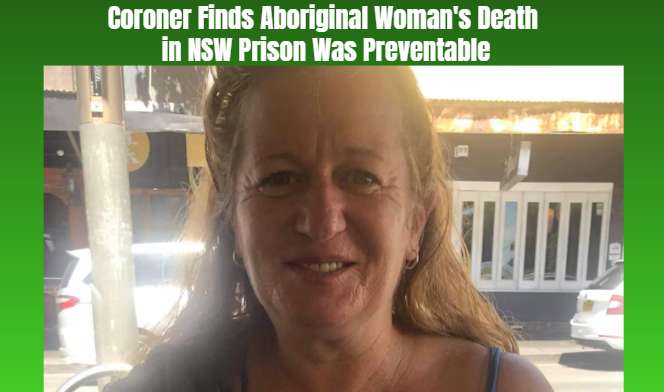
A NSW coroner has found that the death of Aboriginal woman Tammy Shipley in Silverwater prison was preventable, identifying serious failures by correcti...
Invasive snails have been discovered on two cargo vessels carrying imported goods at the Port of Newcastle, prompting quarantine and biosecurity treatme...
Police have arrested two people following an alleged attempted arson attack involving a parked utility vehicle and a nearby house in Sydney's south-west...
A 48-year-old man has been charged after allegedly filming a woman inside her home in Elermore Vale. Police seized six registered firearms and ammunitio...
Victorian detectives have arrested a teenager following an investigation into alleged organised crime attacks targeting bars, clubs and restaurants acro...
South Australian police have arrested a man and a woman after allegedly discovering 910 alkaloid poppy plants growing at a residential property in Brahm...
A 15-year-old boy has been left in critical condition after being shot with an arrow in Kempsey, while police investigate reports involving people alleg...
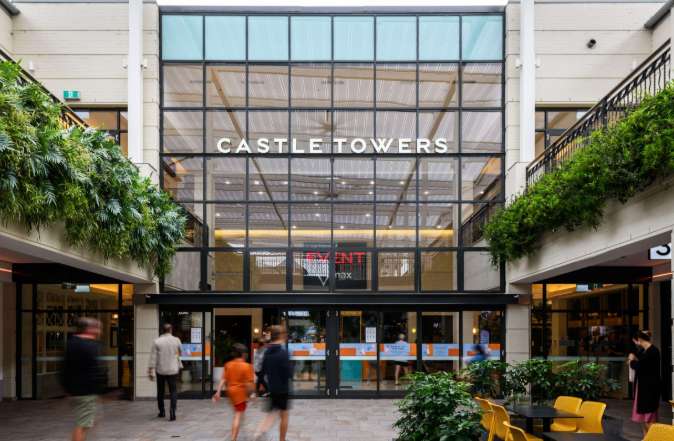
Two teenage boys have suffered stab wounds during a violent confrontation at Castle Towers Shopping Centre in Sydney's north-west, prompting an emergenc...