Coroner Finds Aboriginal Woman's Death in NSW Prison Was Preventable
By Chloe · Published 19 Nov 2026 · Updated 19 Nov 2026
Sydney, NSW · New South Wales News
Safety note: Admin approval is an initial review, not a guarantee that every detail is correct. Check important or urgent claims with official sources and report anything inaccurate or unsafe.
Source and credit: Contributor's own report
Coroner Finds Aboriginal Woman's Death in NSW Prison Was Preventable - Sydney, NSW
Smart summary
A NSW coroner has found that the death of Aboriginal woman Tammy Shipley in Silverwater prison was preventable, identifying serious failures by correctional officers to monitor her condition.
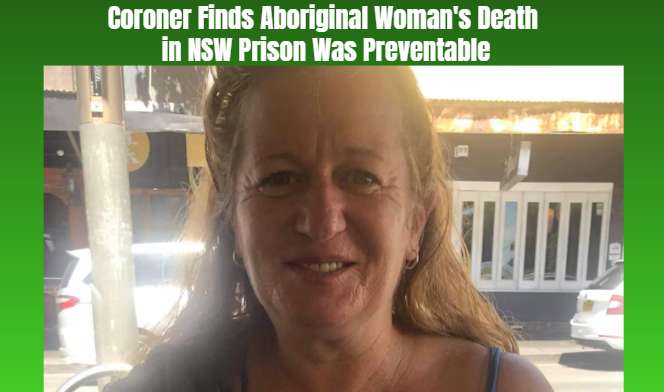
The death of 47-year-old Aboriginal woman Tammy Shipley in a New South Wales prison was preventable, according to findings delivered by the NSW State Coroner on Thursday, 19 November 2026.
Tammy Shipley died on 20 December 2022 while being held at Silverwater Women's Correctional Centre in western Sydney. Her death followed a serious medical emergency linked to a psychiatric condition that caused her to consume excessive amounts of water.
State Coroner Teresa O'Sullivan found that failures by correctional officers to conduct regular physical observations contributed to the circumstances surrounding her death. The coroner described the failure to carry out the required checks as a serious failure.
Ms Shipley was held in an observation cell at the prison. She had a history of mental health difficulties, including schizophrenia, and required appropriate medical attention and monitoring while in custody.
The coroner found that correctional officers should have conducted physical checks every 30 minutes. Had those checks been completed as required, her excessive water consumption might have been noticed earlier and medical assistance could potentially have been sought sooner.
The medical condition involved was associated with excessive water consumption, which can cause dangerously low sodium levels in the blood. This condition, known as hyponatraemia, can lead to severe complications and become life-threatening without timely treatment.
The inquest also examined the mental health support available to Ms Shipley while she was detained. Coroner O'Sullivan found it unsatisfactory that she had not been seen by a mental health nurse or psychiatrist during her time in custody.
The findings have raised important questions about how correctional facilities manage people experiencing serious mental health conditions. Prisoners who require specialised medical monitoring may face significant risks when appropriate healthcare arrangements and observation procedures are not followed.
Silverwater Women's Correctional Centre is responsible for holding female prisoners in New South Wales. The case has brought renewed attention to the responsibilities of correctional authorities in ensuring that people in their care receive appropriate supervision and medical treatment.
The coroner's findings also highlight the importance of communication between police, correctional officers and healthcare professionals. Accurate medical information and timely assessments can play an important role in identifying risks and preventing avoidable deaths.
Ms Shipley's death is particularly significant in the context of Australia's continuing concerns about Aboriginal deaths in custody. Her case has again drawn attention to the need for effective safeguards, appropriate healthcare and accountability within the justice system.
The findings are expected to contribute to discussions about improving observation procedures and mental health support for people held in correctional facilities.
The coroner's conclusion that the death was preventable represents a significant development for Ms Shipley's family and the wider community. It also reinforces the responsibility of government agencies to examine failures and take meaningful action to prevent similar incidents.
The case serves as a reminder that people in custody remain entitled to appropriate healthcare, dignity and protection. Effective monitoring, professional medical assessment and timely intervention are essential responsibilities of correctional institutions.
CorrectionalCoronerMedicalDeathShipley
The death of 47-year-old Aboriginal woman Tammy Shipley in a New South Wales prison was preventable, according to findings delivered by the NSW State Coroner on Thursday, 19 November 2026.
Tammy Shipley died on 20 December 2022 while being held at Silverwater Women's Correctional Centre in western Sydney. Her death followed a serious medical emergency linked to a psychiatric condition that caused her to consume excessive amounts of water.
State Coroner Teresa O'Sullivan found that failures by correctional officers to conduct regular physical observations contributed to the circumstances surrounding her death. The coroner described the failure to carry out the required checks as a serious failure.
Ms Shipley was held in an observation cell at the prison. She had a history of mental health difficulties, including schizophrenia, and required appropriate medical attention and monitoring while in custody.
The coroner found that correctional officers should have conducted physical checks every 30 minutes. Had those checks been completed as required, her excessive water consumption might have been noticed earlier and medical assistance could potentially have been sought sooner.
The medical condition involved was associated with excessive water consumption, which can cause dangerously low sodium levels in the blood. This condition, known as hyponatraemia, can lead to severe complications and become life-threatening without timely treatment.
The inquest also examined the mental health support available to Ms Shipley while she was detained. Coroner O'Sullivan found it unsatisfactory that she had not been seen by a mental health nurse or psychiatrist during her time in custody.
The findings have raised important questions about how correctional facilities manage people experiencing serious mental health conditions. Prisoners who require specialised medical monitoring may face significant risks when appropriate healthcare arrangements and observation procedures are not followed.
Silverwater Women's Correctional Centre is responsible for holding female prisoners in New South Wales. The case has brought renewed attention to the responsibilities of correctional authorities in ensuring that people in their care receive appropriate supervision and medical treatment.
The coroner's findings also highlight the importance of communication between police, correctional officers and healthcare professionals. Accurate medical information and timely assessments can play an important role in identifying risks and preventing avoidable deaths.
Ms Shipley's death is particularly significant in the context of Australia's continuing concerns about Aboriginal deaths in custody. Her case has again drawn attention to the need for effective safeguards, appropriate healthcare and accountability within the justice system.
The findings are expected to contribute to discussions about improving observation procedures and mental health support for people held in correctional facilities.
The coroner's conclusion that the death was preventable represents a significant development for Ms Shipley's family and the wider community. It also reinforces the responsibility of government agencies to examine failures and take meaningful action to prevent similar incidents.
The case serves as a reminder that people in custody remain entitled to appropriate healthcare, dignity and protection. Effective monitoring, professional medical assessment and timely intervention are essential responsibilities of correctional institutions.
A 48-year-old man from Geraldton has been sentenced to eight years in prison after police discovered 955 grams of methamphetamine at his home in Waggrak...
Queensland Police have taken a man in his 70s into custody after a woman was found dead with multiple injuries at a residential property in Cannonvale.
Five young males have been taken into custody following a police investigation into a fatal shooting outside a Loganholme pub that left a 19-year-old wo...
Authorities have ordered seven retailers across Maitland to close for 90 days after inspectors seized hundreds of thousands of illicit cigarettes and mo...
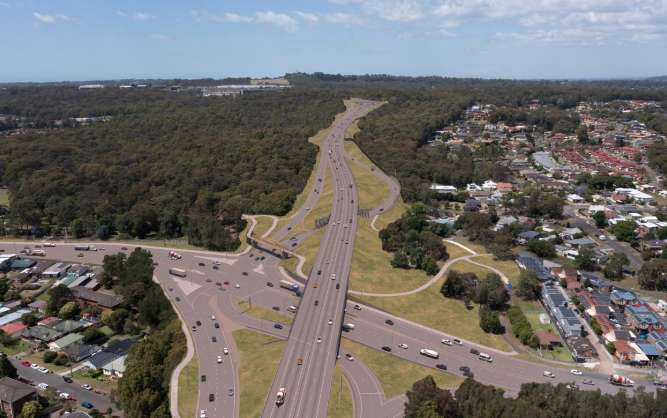
The final section of Newcastle's $488 million Inner City Bypass has officially opened, giving motorists a new route around 11 traffic lights and improvi...
Invasive snails have been discovered on two cargo vessels carrying imported goods at the Port of Newcastle, prompting quarantine and biosecurity treatme...
Police have arrested two people following an alleged attempted arson attack involving a parked utility vehicle and a nearby house in Sydney's south-west...
A 48-year-old man has been charged after allegedly filming a woman inside her home in Elermore Vale. Police seized six registered firearms and ammunitio...
Victorian detectives have arrested a teenager following an investigation into alleged organised crime attacks targeting bars, clubs and restaurants acro...
South Australian police have arrested a man and a woman after allegedly discovering 910 alkaloid poppy plants growing at a residential property in Brahm...
A 15-year-old boy has been left in critical condition after being shot with an arrow in Kempsey, while police investigate reports involving people alleg...
Two teenage boys have suffered stab wounds during a violent confrontation at Castle Towers Shopping Centre in Sydney's north-west, prompting an emergenc...