Safety note: Admin approval is an initial review, not a guarantee that every detail is correct. Check important or urgent claims with official sources and report anything inaccurate or unsafe.
Source and credit: Contributor's own report
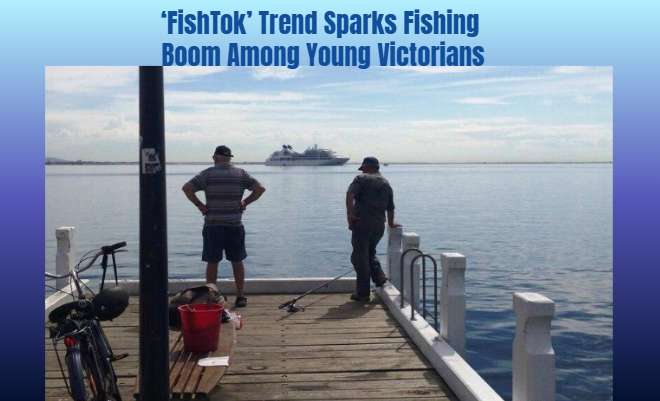
‘Fish Tok’ Trend Sparks Fishing Boom Among Young Victorians - Geelong, VIC
Smart summary
Social media, outdoor activities and a generation of young anglers are helping make recreational fishing popular again, but the industry is concerned about the cancellation of a free fishing-kit program.
Recreational fishing is attracting growing interest among young people across Victoria, with social media trends and a renewed enthusiasm for outdoor activities helping introduce a new generation to the hobby.
At Geelong’s Cunningham Pier, teenagers Ivy Renouf, Zane Winterton and Xavier Clair are among the young people spending their free time fishing with friends rather than staying indoors playing video games or scrolling on their phones. The three 16-year-olds say fishing gives them an opportunity to enjoy the outdoors, share experiences and spend time together.
Their experience reflects a broader trend being observed across Victorian waterways. Young anglers are increasingly sharing their catches and fishing experiences on social media platforms, particularly Tik Tok and Instagram. The online trend has become known informally as “Fish Tok”, where fishing videos, tips and photographs introduce the activity to audiences who may never previously have considered taking it up.
Anthony McGrath, executive officer of VRFish, Victoria’s peak recreational fishing body, said the growth in young people participating in fishing had been significant. Although reliable statewide statistics are limited, fishing clubs and industry representatives say the increase is visible at popular fishing locations and among school-aged children carrying rods and tackle.
Jet Reef Worsteling, a 19-year-old fishing personality with a substantial Tik Tok following, said the activity had become increasingly appealing to young people over the past couple of years. He believes social media has helped change perceptions of fishing, making it a more attractive way for teenagers to spend their free time. The renewed interest may also reflect a desire to spend more time outdoors following the COVID-19 pandemic.
Fishing offers an accessible way to explore local waterways, learn practical skills and enjoy time with friends and family. Even when a fishing trip does not result in a catch, participants can still benefit from the experience of being outside.
Another factor identified by the fishing industry is Victoria’s Little Anglers Kits program. The initiative provided fishing rods, reels, tackle boxes and educational materials to approximately 180,000 Grade 5 students over two years. The program was designed to introduce children to recreational fishing and encourage participation at an early age.
However, the Victorian government announced in August that it would discontinue the program as part of budget savings. The decision disappointed VRFish, which argued that introducing children to fishing helps develop long-term participation and encourages interest in the environment.
The government said it wanted to ensure public funds were spent wisely, but it did not provide a response to questions about whether the program had achieved its objectives.
Fishing participation among people under 18 does not require a recreational fishing licence in Victoria, making it relatively easy for young beginners to get started. Nevertheless, access to equipment, suitable fishing locations and guidance can influence whether newcomers continue with the activity.
The growing popularity of Fish Tok suggests that online communities can help connect young people with traditional outdoor pursuits. The longer-term effect of the trend, and the cancellation of the free fishing-kit program, remains to be seen.
FishingYoungPeopleAmongProgram
Recreational fishing is attracting growing interest among young people across Victoria, with social media trends and a renewed enthusiasm for outdoor activities helping introduce a new generation to the hobby.
At Geelong’s Cunningham Pier, teenagers Ivy Renouf, Zane Winterton and Xavier Clair are among the young people spending their free time fishing with friends rather than staying indoors playing video games or scrolling on their phones. The three 16-year-olds say fishing gives them an opportunity to enjoy the outdoors, share experiences and spend time together.
Their experience reflects a broader trend being observed across Victorian waterways. Young anglers are increasingly sharing their catches and fishing experiences on social media platforms, particularly Tik Tok and Instagram. The online trend has become known informally as “Fish Tok”, where fishing videos, tips and photographs introduce the activity to audiences who may never previously have considered taking it up.
Anthony McGrath, executive officer of VRFish, Victoria’s peak recreational fishing body, said the growth in young people participating in fishing had been significant. Although reliable statewide statistics are limited, fishing clubs and industry representatives say the increase is visible at popular fishing locations and among school-aged children carrying rods and tackle.
Jet Reef Worsteling, a 19-year-old fishing personality with a substantial Tik Tok following, said the activity had become increasingly appealing to young people over the past couple of years. He believes social media has helped change perceptions of fishing, making it a more attractive way for teenagers to spend their free time. The renewed interest may also reflect a desire to spend more time outdoors following the COVID-19 pandemic.
Fishing offers an accessible way to explore local waterways, learn practical skills and enjoy time with friends and family. Even when a fishing trip does not result in a catch, participants can still benefit from the experience of being outside.
Another factor identified by the fishing industry is Victoria’s Little Anglers Kits program. The initiative provided fishing rods, reels, tackle boxes and educational materials to approximately 180,000 Grade 5 students over two years. The program was designed to introduce children to recreational fishing and encourage participation at an early age.
However, the Victorian government announced in August that it would discontinue the program as part of budget savings. The decision disappointed VRFish, which argued that introducing children to fishing helps develop long-term participation and encourages interest in the environment.
The government said it wanted to ensure public funds were spent wisely, but it did not provide a response to questions about whether the program had achieved its objectives.
Fishing participation among people under 18 does not require a recreational fishing licence in Victoria, making it relatively easy for young beginners to get started. Nevertheless, access to equipment, suitable fishing locations and guidance can influence whether newcomers continue with the activity.
The growing popularity of Fish Tok suggests that online communities can help connect young people with traditional outdoor pursuits. The longer-term effect of the trend, and the cancellation of the free fishing-kit program, remains to be seen.
Thirteen freshwater turtles rescued after a north-west New South Wales wetland dried out have been returned to their habitat. More than 250 eggs are als...
A woman has died following a serious three-vehicle collision involving a commercial bus and two cars in Glenburn, in Victoria’s Yarra Ranges, on Thursday, 24 September 2026. Eme...
A woman has died following a serious three-car collision in Leongatha, Victoria, on Wednesday afternoon, 23 September 2026. Emergency services were called to the Strzelecki High...
Researchers have recorded a small increase in dugong numbers around Hervey Bay and the Great Sandy Strait after severe flooding damaged seagrass habitat...
Police are investigating another suspected arson attack after a vehicle was set alight in a suburban garage, while a separate factory fire led to a man’...
Six vehicles were torched across Melbourne overnight, with fires damaging homes in Oakleigh East and Springvale as police investigate a growing series o...
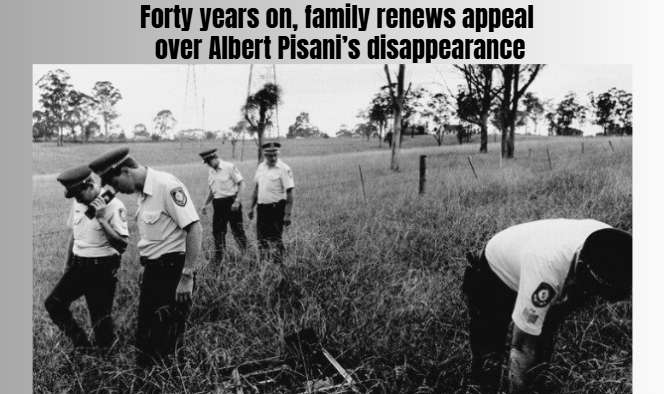
Victoria Police are renewing their appeal for information about the disappearance and suspected killing of Gippsland father Albert Pisani, whose remains...
Australian golfing champion Graham Marsh has returned to his birthplace for the WA PGA Championship, reflecting on the distinctive desert course he help...
Queensland recorded 4,110 accepted mental injury compensation claims in the latest financial year, a 108 per cent increase since 2021–22, raising questi...
Rising rents and living costs are pushing more people, including working families and older Australians, towards homelessness, according to Western Aust...