Safety note: Admin approval is an initial review, not a guarantee that every detail is correct. Check important or urgent claims with official sources and report anything inaccurate or unsafe.
Source and credit: Contributor's own report
Australia’s Ageing Population Pushes Emergency Departments Towards Crisis - National, ACT
Smart summary
Emergency doctors warn that hospitals are struggling to accommodate older patients, with longer waits for inpatient beds, overcrowding and gaps in aged care placing growing pressure on the health system.
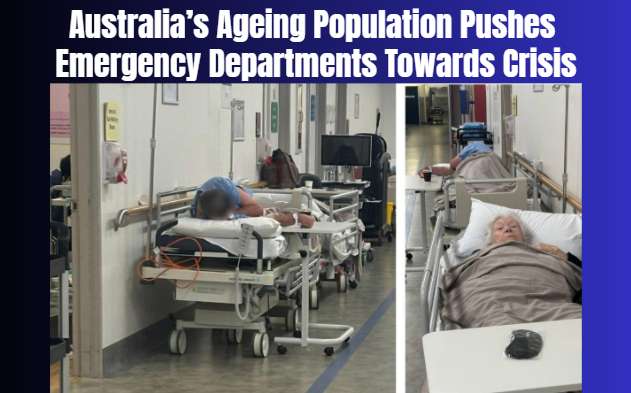
Australia’s emergency medicine specialists have warned that the country’s health system is not adequately prepared for its ageing population, with older patients increasingly experiencing long waits in emergency departments and delays in being transferred to hospital wards.
The warning comes from the Australasian College for Emergency Medicine (ACEM), which released its third annual State of Emergency report examining the pressure that Australia’s changing demographics are placing on hospitals and other healthcare services. The report argues that successive governments have not sufficiently prepared hospitals, aged-care facilities, primary care and community support services for the growing number of older people requiring complex medical treatment.
National figures reveal growing pressure Almost nine million people presented to Australian emergency departments during the 2023–24 financial year. Approximately one-quarter of those presentations involved older patients. ACEM’s analysis found that only 54 per cent of older patients who needed hospital admission received an inpatient bed within eight hours in 2023–24. That was a substantial decline from 75 per cent in 2018–19. Younger patients were more likely to receive a bed within the same period, highlighting the additional challenges facing older people who require hospital treatment.
The number of older patients spending more than 24 hours in emergency departments while waiting for a bed also increased sharply. In 2018–19, 15,084 older patients experienced waits exceeding 24 hours. By 2023–24, the figure had reached 53,510. Emergency doctors say prolonged waits can leave frail patients without adequate rest, food, privacy or timely access to their usual medications. Remaining in a busy corridor or on a trolley can also increase the risk of deterioration, particularly for people who already have complex health needs.
Tasmania faces particular challenges Tasmania has the highest proportion of people aged 65 and over among Australian states and territories, making it an important example of the pressures associated with an ageing population. Between 2018–19 and 2023–24, presentations by older patients to Tasmanian emergency departments rose by 19 per cent, compared with a two per cent increase among younger patients in the state. The national increase among older patients was 17 per cent over the same period.
The report also found that only 40 per cent of older Tasmanian patients who needed hospital admission accessed an inpatient bed within eight hours, compared with 54 per cent nationally. ACEM recommends that 90 per cent of patients requiring admission should be transferred to a bed within that timeframe.
Doctors in Tasmania say the situation is already placing considerable pressure on patients and healthcare workers. They have called for better access to aged care and community services so that older people do not remain in emergency departments simply because an appropriate alternative or hospital bed is unavailable. Demand expected to increase further The report cites projections indicating that emergency department presentations by people aged 85 and over could increase by 411 per cent between 2010 and 2050. ACEM also warns that nearly one in five Australians is projected to be aged 65 or older by 2030.
To address the problem, ACEM is calling for closer coordination between hospitals, general practitioners, aged-care providers, community services and Aboriginal health organisations. Its recommendations include additional hospital capacity, stronger community-based treatment options, more telehealth support for residential aged care, and at least 10,000 additional aged-care beds by 2028. It also wants round-the-clock access to registered nurses in aged-care facilities and improved support for residents with complex conditions.
Governments dispute responsibility The report has renewed debate between federal and state governments about who should take responsibility for addressing the pressures.
Tasmanian health representatives have called for greater federal support for aged care, arguing that inadequate community and residential care can leave hospitals dealing with patients who might otherwise receive support elsewhere. Federal Health and Ageing Minister Mark Butler said the challenge affects all levels of government and pointed to increased hospital funding, Medicare Urgent Care Clinics and efforts to expand aged-care services. He also acknowledged that additional aged-care capacity is needed.
The central concern is that Australia’s healthcare system must adapt as more people live longer and require specialised care. Without better planning and coordination, emergency departments may face even greater pressure, while older patients risk longer waits for treatment and appropriate accommodation.
PatientsOlderEmergencyCentPeople
Australia’s emergency medicine specialists have warned that the country’s health system is not adequately prepared for its ageing population, with older patients increasingly experiencing long waits in emergency departments and delays in being transferred to hospital wards.
The warning comes from the Australasian College for Emergency Medicine (ACEM), which released its third annual State of Emergency report examining the pressure that Australia’s changing demographics are placing on hospitals and other healthcare services. The report argues that successive governments have not sufficiently prepared hospitals, aged-care facilities, primary care and community support services for the growing number of older people requiring complex medical treatment.
National figures reveal growing pressure Almost nine million people presented to Australian emergency departments during the 2023–24 financial year. Approximately one-quarter of those presentations involved older patients. ACEM’s analysis found that only 54 per cent of older patients who needed hospital admission received an inpatient bed within eight hours in 2023–24. That was a substantial decline from 75 per cent in 2018–19. Younger patients were more likely to receive a bed within the same period, highlighting the additional challenges facing older people who require hospital treatment.
The number of older patients spending more than 24 hours in emergency departments while waiting for a bed also increased sharply. In 2018–19, 15,084 older patients experienced waits exceeding 24 hours. By 2023–24, the figure had reached 53,510. Emergency doctors say prolonged waits can leave frail patients without adequate rest, food, privacy or timely access to their usual medications. Remaining in a busy corridor or on a trolley can also increase the risk of deterioration, particularly for people who already have complex health needs.
Tasmania faces particular challenges Tasmania has the highest proportion of people aged 65 and over among Australian states and territories, making it an important example of the pressures associated with an ageing population. Between 2018–19 and 2023–24, presentations by older patients to Tasmanian emergency departments rose by 19 per cent, compared with a two per cent increase among younger patients in the state. The national increase among older patients was 17 per cent over the same period.
The report also found that only 40 per cent of older Tasmanian patients who needed hospital admission accessed an inpatient bed within eight hours, compared with 54 per cent nationally. ACEM recommends that 90 per cent of patients requiring admission should be transferred to a bed within that timeframe.
Doctors in Tasmania say the situation is already placing considerable pressure on patients and healthcare workers. They have called for better access to aged care and community services so that older people do not remain in emergency departments simply because an appropriate alternative or hospital bed is unavailable. Demand expected to increase further The report cites projections indicating that emergency department presentations by people aged 85 and over could increase by 411 per cent between 2010 and 2050. ACEM also warns that nearly one in five Australians is projected to be aged 65 or older by 2030.
To address the problem, ACEM is calling for closer coordination between hospitals, general practitioners, aged-care providers, community services and Aboriginal health organisations. Its recommendations include additional hospital capacity, stronger community-based treatment options, more telehealth support for residential aged care, and at least 10,000 additional aged-care beds by 2028. It also wants round-the-clock access to registered nurses in aged-care facilities and improved support for residents with complex conditions.
Governments dispute responsibility The report has renewed debate between federal and state governments about who should take responsibility for addressing the pressures.
Tasmanian health representatives have called for greater federal support for aged care, arguing that inadequate community and residential care can leave hospitals dealing with patients who might otherwise receive support elsewhere. Federal Health and Ageing Minister Mark Butler said the challenge affects all levels of government and pointed to increased hospital funding, Medicare Urgent Care Clinics and efforts to expand aged-care services. He also acknowledged that additional aged-care capacity is needed.
The central concern is that Australia’s healthcare system must adapt as more people live longer and require specialised care. Without better planning and coordination, emergency departments may face even greater pressure, while older patients risk longer waits for treatment and appropriate accommodation.
New government analysis estimates that 78,000 Australians aged 65 and over could leave private health insurance by 2030 if proposed changes to the rebat...
Queensland recorded 4,110 accepted mental injury compensation claims in the latest financial year, a 108 per cent increase since 2021–22, raising questi...
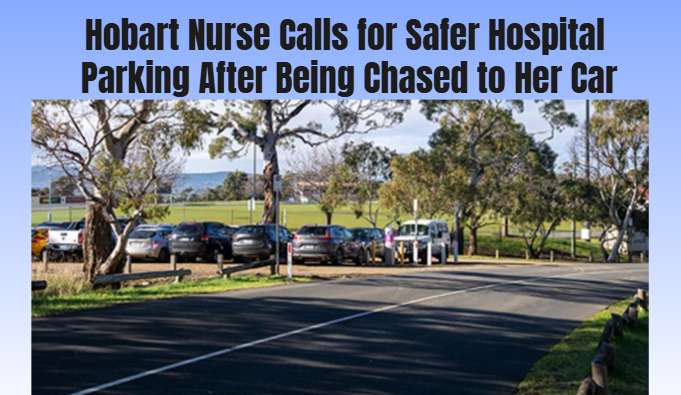
A Royal Hobart Hospital nurse says she was left shaken after a group of young men chased and yelled at her as she walked to her car after a late shift....
Prime Minister Anthony Albanese says Australia will explore options to prevent a planned US military execution livestream from appearing on Australian s...
A coffee-price tracker found that 17% of surveyed cafés increased prices after Australia’s credit card surcharge ban began, with average increases of 50...
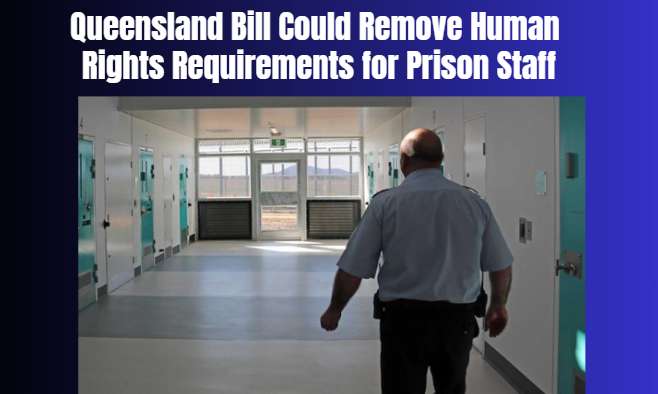
A proposed Queensland law would exempt corrective services staff from having to consider prisoners’ human rights when making certain decisions. Supporte...
The Olympic medallist has been removed from Great Britain’s team for the 2026 UCI Track Cycling World Championships in Shanghai. Reports have linked the...
A landmark Queensland court judgment has awarded Mackay grandfather Robin Smith nearly $1.9 million after he developed asbestosis following workplace ex...
Prime Minister Anthony Albanese says Australia will explore options to prevent a planned US military execution livestream from appearing on Australian s...
A coffee-price tracker found that 17% of surveyed cafés increased prices after Australia’s credit card surcharge ban began, with average increases of 50...
MPs restrained a climate protester who climbed into the NSW Legislative Assembly chamber during question time to oppose a Hunter Valley coal mine expans...