Safety note: Admin approval is an initial review, not a guarantee that every detail is correct. Check important or urgent claims with official sources and report anything inaccurate or unsafe.
Source and credit: Contributor's own report
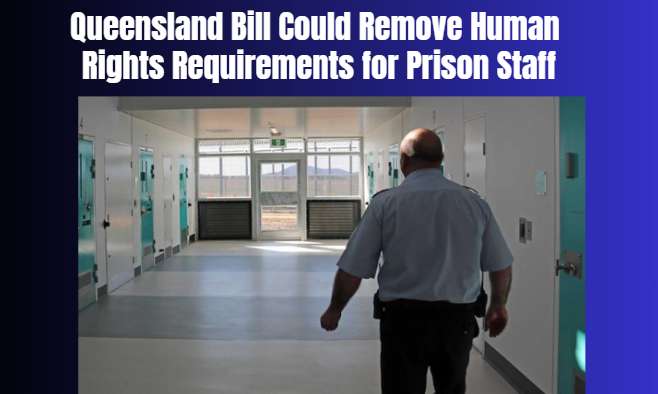
Queensland Bill Could Remove Human Rights Requirements for Prison Staff - Statewide, QLD
Smart summary
A proposed Queensland law would exempt corrective services staff from having to consider prisoners’ human rights when making certain decisions. Supporters say officers should not face extra assessments before taking l...
The Queensland government has introduced proposed legislative changes that would remove the requirement for Queensland Corrective Services and its staff to consider prisoners’ human rights when making decisions covered by the exemption. The bill is being examined by a parliamentary committee, and it has prompted disagreement between the government, human rights organisations and groups representing victims.
Under the proposal, section 58 of Queensland’s Human Rights Act would no longer apply to decisions about prisoners. At present, the provision requires public entities to act compatibly with human rights and properly consider those rights when making decisions. The proposed exemption would cover people serving prison sentences as well as people held on remand who have not been convicted of an offence.
Queensland Corrective Services Minister Laura Gerber defended the change, arguing that prison officers should not have to undertake additional human rights assessments before carrying out otherwise lawful duties. She said the government prioritised victims’ rights and community safety, pointing to its broader approach to parole and keeping dangerous offenders in custody for longer. The minister also stressed that removing the requirement would not authorise conduct that is otherwise unlawful.
The proposal has drawn strong criticism from the Queensland Human Rights Commission. Commissioner Debbie Platz warned that, if the bill passed in its current form, prisoners would lose an important basis for making complaints to the commission about decisions affecting their rights. She highlighted that the exemption would also apply to people held on remand, including those who have not been found guilty of a crime.
Sisters Inside, an organisation advocating for women in the criminal justice system, raised concerns about the possible consequences for prison conditions. Its representatives warned that reduced safeguards could affect issues such as overcrowding, prolonged solitary confinement and access to family visits. The organisation argued that basic rights should not depend on whether a person is popular or has been convicted of an offence.
The Queensland Ombudsman and the Inspector of Detention Services also opposed the exemption. Their submission highlighted the risks associated with custodial environments, where decisions involving physical restraints, searches, use of force and isolation can have serious consequences for people in detention. The Human Rights Law Centre likewise urged the government not to proceed, warning that removing protections could cause preventable harm, particularly to Aboriginal and Torres Strait Islander people, who are over-represented in the prison system.
Not all advocacy groups oppose the government’s approach. Trudy Reading, chief advocacy officer at Queensland charity Voice for Victims, argued that offenders’ rights should not take precedence over the welfare of victims and the wider community. Her position reflects the government’s argument that prison staff should be able to carry out their duties without additional administrative hurdles.
The bill also includes a separate measure that would extend restricted-prisoner status to people serving life sentences who cannot apply for parole for up to 10 years. The parliamentary committee will consider the proposed changes before the legislative process advances.
The proposal has not yet become law. Its eventual impact will depend on the committee’s consideration, parliamentary decisions and the final wording of any legislation passed.
RightsHumanQueenslandWouldDecisions
The Queensland government has introduced proposed legislative changes that would remove the requirement for Queensland Corrective Services and its staff to consider prisoners’ human rights when making decisions covered by the exemption. The bill is being examined by a parliamentary committee, and it has prompted disagreement between the government, human rights organisations and groups representing victims.
Under the proposal, section 58 of Queensland’s Human Rights Act would no longer apply to decisions about prisoners. At present, the provision requires public entities to act compatibly with human rights and properly consider those rights when making decisions. The proposed exemption would cover people serving prison sentences as well as people held on remand who have not been convicted of an offence.
Queensland Corrective Services Minister Laura Gerber defended the change, arguing that prison officers should not have to undertake additional human rights assessments before carrying out otherwise lawful duties. She said the government prioritised victims’ rights and community safety, pointing to its broader approach to parole and keeping dangerous offenders in custody for longer. The minister also stressed that removing the requirement would not authorise conduct that is otherwise unlawful.
The proposal has drawn strong criticism from the Queensland Human Rights Commission. Commissioner Debbie Platz warned that, if the bill passed in its current form, prisoners would lose an important basis for making complaints to the commission about decisions affecting their rights. She highlighted that the exemption would also apply to people held on remand, including those who have not been found guilty of a crime.
Sisters Inside, an organisation advocating for women in the criminal justice system, raised concerns about the possible consequences for prison conditions. Its representatives warned that reduced safeguards could affect issues such as overcrowding, prolonged solitary confinement and access to family visits. The organisation argued that basic rights should not depend on whether a person is popular or has been convicted of an offence.
The Queensland Ombudsman and the Inspector of Detention Services also opposed the exemption. Their submission highlighted the risks associated with custodial environments, where decisions involving physical restraints, searches, use of force and isolation can have serious consequences for people in detention. The Human Rights Law Centre likewise urged the government not to proceed, warning that removing protections could cause preventable harm, particularly to Aboriginal and Torres Strait Islander people, who are over-represented in the prison system.
Not all advocacy groups oppose the government’s approach. Trudy Reading, chief advocacy officer at Queensland charity Voice for Victims, argued that offenders’ rights should not take precedence over the welfare of victims and the wider community. Her position reflects the government’s argument that prison staff should be able to carry out their duties without additional administrative hurdles.
The bill also includes a separate measure that would extend restricted-prisoner status to people serving life sentences who cannot apply for parole for up to 10 years. The parliamentary committee will consider the proposed changes before the legislative process advances.
The proposal has not yet become law. Its eventual impact will depend on the committee’s consideration, parliamentary decisions and the final wording of any legislation passed.
A Tasmanian local-government conduct panel found that long-serving Glenorchy councillor Peter Ridler breached the council’s code of conduct through inap...
The Victorian Liberal Party has replaced Grant Hutchinson as its candidate for the marginal seat of Croydon, with opposition leader Jess Wilson citing n...
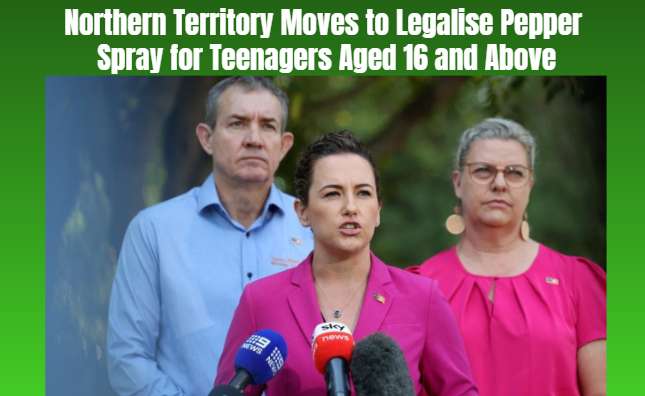
The Northern Territory government plans to make pepper spray permanently legal for self-defence and extend eligibility to 16- and 17-year-olds, subject...
Australia’s Foreign Minister has criticised the postponement of Palestinian elections, warning that continued delays could undermine democratic accounta...
A coffee-price tracker found that 17% of surveyed cafés increased prices after Australia’s credit card surcharge ban began, with average increases of 50...
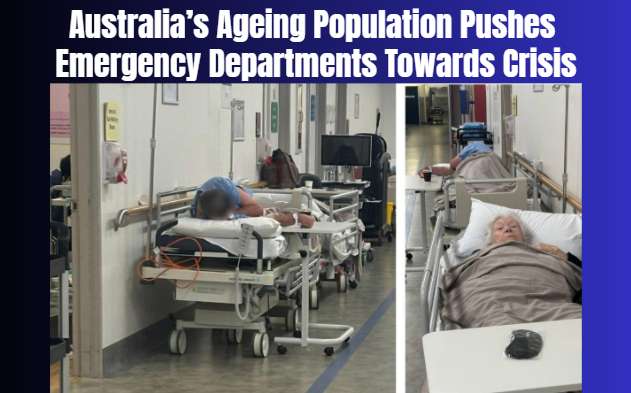
Emergency doctors warn that hospitals are struggling to accommodate older patients, with longer waits for inpatient beds, overcrowding and gaps in aged...
The Olympic medallist has been removed from Great Britain’s team for the 2026 UCI Track Cycling World Championships in Shanghai. Reports have linked the...
Australia’s competition regulator has launched Federal Court proceedings against 12 egg producers and suppliers, alleging they coordinated production an...
A coffee-price tracker found that 17% of surveyed cafés increased prices after Australia’s credit card surcharge ban began, with average increases of 50...
MPs restrained a climate protester who climbed into the NSW Legislative Assembly chamber during question time to oppose a Hunter Valley coal mine expans...
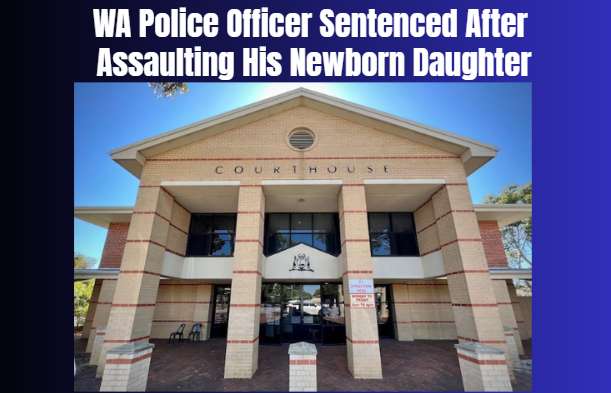
A Western Australian police officer has been sentenced after pleading guilty to shaking his infant daughter at the family home in Perth. The court heard...
Emergency doctors warn that hospitals are struggling to accommodate older patients, with longer waits for inpatient beds, overcrowding and gaps in aged...