Safety note: Admin approval is an initial review, not a guarantee that every detail is correct. Check important or urgent claims with official sources and report anything inaccurate or unsafe.
Source and credit: Contributor's own report
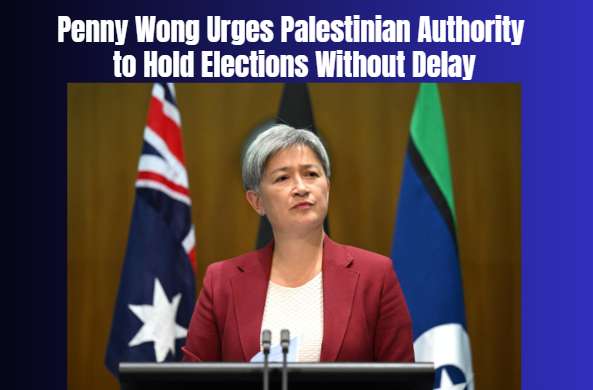
Penny Wong Urges Palestinian Authority to Hold Elections Without Delay - Canberra, ACT
Smart summary
Australia’s Foreign Minister has criticised the postponement of Palestinian elections, warning that continued delays could undermine democratic accountability and prospects for a two-state solution.
Australian Foreign Minister Penny Wong has urged the Palestinian Authority to proceed with elections without further delay after Palestinian leaders postponed a vote that had been scheduled for November 2026. The postponement has prompted renewed debate about democratic governance in the Palestinian territories and the commitments made by the Palestinian Authority to the international community. Wong described the decision as deeply disappointing, arguing that credible elections are important to political reform, democratic renewal and accountable leadership.
The Palestinian Authority, led by President Mahmoud Abbas, announced that general elections would instead take place in September 2027. The vote would be the first Palestinian general election in approximately two decades.
Wong said that continuing to delay elections undermines the prospects of a two-state solution, the long-standing diplomatic framework that envisages Israel and a future Palestinian state existing alongside one another in peace and security.
The Palestinian leadership has pointed to difficult conditions on the ground as a major reason for postponing the vote. The Executive Committee of the Palestine Liberation Organization cited continuing Israeli attacks in the occupied West Bank, strikes in Gaza and restrictions affecting election materials and international observers as factors that it said prevented a suitable environment for voting.
Israeli Foreign Minister Gideon Sa’ar rejected the Palestinian Authority’s explanation, accusing its leadership of misleading the international community. The competing statements reflect the continuing diplomatic tensions surrounding responsibility for conditions in the Palestinian territories and the practical challenges of organising elections.
The issue also has implications for Australia’s foreign policy. Australia recognised Palestinian statehood in 2025 alongside numerous other United Nations member states. At the time, Prime Minister Anthony Albanese said the Palestinian Authority had made commitments to Australia, including undertakings relating to democratic elections.
The postponement has led to calls from opposition politicians and pro-Israel advocacy groups for the Australian government to explain how it intends to respond if those commitments are not fulfilled. Shadow Foreign Minister Ted O’Brien argued that the government should reconsider its approach to recognition, while the Australia/Israel & Jewish Affairs Council called for the Palestinian Authority to be held accountable for failing to meet commitments associated with international recognition.
Wong has not called for Australia to reverse its recognition decision. Instead, she said the government wanted to see progress on the Palestinian Authority’s commitments, including democratic reform, before further diplomatic steps such as formal diplomatic relations and opening embassies could proceed. France has also urged the Palestinian Authority to reverse the election delay, saying that postponement would deprive Palestinians of the opportunity to express their democratic choice.
The dispute illustrates the challenges facing international efforts to support Palestinian political reform while navigating the security crisis and competing claims surrounding the Israeli-Palestinian conflict. Whether elections can proceed in September 2027 will depend on political decisions and conditions in the region.
Australian Foreign Minister Penny Wong has urged the Palestinian Authority to proceed with elections without further delay after Palestinian leaders postponed a vote that had been scheduled for November 2026. The postponement has prompted renewed debate about democratic governance in the Palestinian territories and the commitments made by the Palestinian Authority to the international community. Wong described the decision as deeply disappointing, arguing that credible elections are important to political reform, democratic renewal and accountable leadership.
The Palestinian Authority, led by President Mahmoud Abbas, announced that general elections would instead take place in September 2027. The vote would be the first Palestinian general election in approximately two decades.
Wong said that continuing to delay elections undermines the prospects of a two-state solution, the long-standing diplomatic framework that envisages Israel and a future Palestinian state existing alongside one another in peace and security.
The Palestinian leadership has pointed to difficult conditions on the ground as a major reason for postponing the vote. The Executive Committee of the Palestine Liberation Organization cited continuing Israeli attacks in the occupied West Bank, strikes in Gaza and restrictions affecting election materials and international observers as factors that it said prevented a suitable environment for voting.
Israeli Foreign Minister Gideon Sa’ar rejected the Palestinian Authority’s explanation, accusing its leadership of misleading the international community. The competing statements reflect the continuing diplomatic tensions surrounding responsibility for conditions in the Palestinian territories and the practical challenges of organising elections.
The issue also has implications for Australia’s foreign policy. Australia recognised Palestinian statehood in 2025 alongside numerous other United Nations member states. At the time, Prime Minister Anthony Albanese said the Palestinian Authority had made commitments to Australia, including undertakings relating to democratic elections.
The postponement has led to calls from opposition politicians and pro-Israel advocacy groups for the Australian government to explain how it intends to respond if those commitments are not fulfilled. Shadow Foreign Minister Ted O’Brien argued that the government should reconsider its approach to recognition, while the Australia/Israel & Jewish Affairs Council called for the Palestinian Authority to be held accountable for failing to meet commitments associated with international recognition.
Wong has not called for Australia to reverse its recognition decision. Instead, she said the government wanted to see progress on the Palestinian Authority’s commitments, including democratic reform, before further diplomatic steps such as formal diplomatic relations and opening embassies could proceed. France has also urged the Palestinian Authority to reverse the election delay, saying that postponement would deprive Palestinians of the opportunity to express their democratic choice.
The dispute illustrates the challenges facing international efforts to support Palestinian political reform while navigating the security crisis and competing claims surrounding the Israeli-Palestinian conflict. Whether elections can proceed in September 2027 will depend on political decisions and conditions in the region.
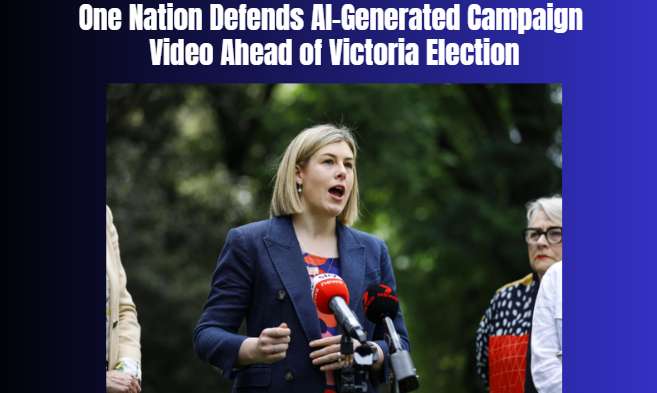
One Nation’s Victorian deputy leader Colleen Harkin has rejected claims that an AI-generated campaign video was racist after criticism of its depiction...
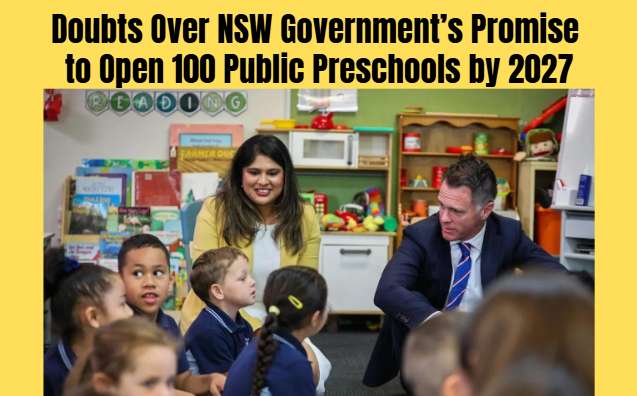
The New South Wales government says 100 new public preschools will be ready by the first day of Term 1 in 2027, but questions remain about how many will...
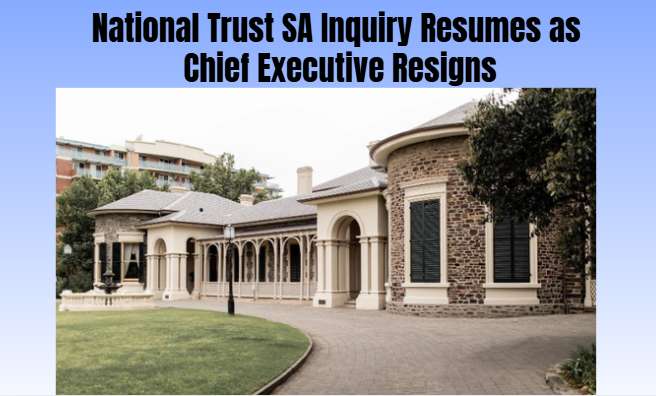
Nicolette Di Lernia steps down as a parliamentary inquiry examines governance, volunteer disputes and the management of South Australia's historic herit...
Labor drops a controversial ministerial-power provision as proposed digital safety legislation advances, while the Greens demand stronger protections ag...
New government analysis estimates that 78,000 Australians aged 65 and over could leave private health insurance by 2030 if proposed changes to the rebat...
Labor drops a controversial ministerial-power provision as proposed digital safety legislation advances, while the Greens demand stronger protections ag...
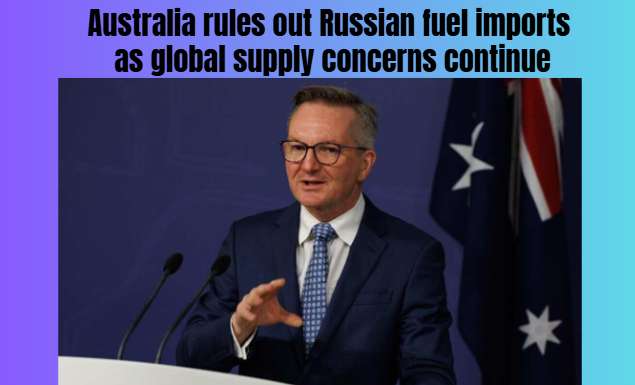
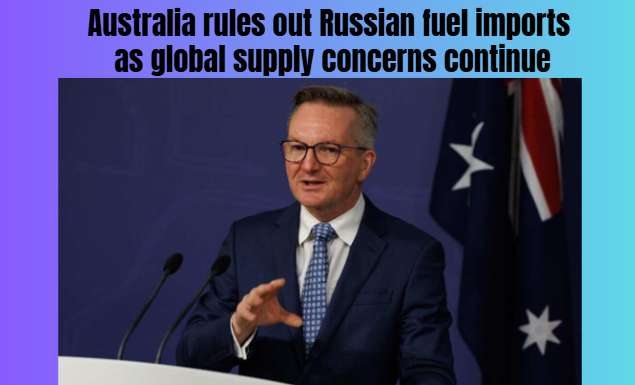
Energy Minister Chris Bowen says Australia will maintain its approach of preventing Russian fuel from entering the country, while reporting that 51 fuel...
Energy Minister Chris Bowen says Australia will maintain its approach of preventing Russian fuel from entering the country, while reporting that 51 fuel...
Shumsheer Singh Ghumman, 47, has reportedly refused food in prison after alleging he was assaulted by fellow inmates. He has pleaded not guilty to 35 ch...
One Nation’s Victorian deputy leader Colleen Harkin has rejected claims that an AI-generated campaign video was racist after criticism of its depiction...
Ten public schools will trial restrictions on classroom screen time for younger students from Term 1, 2027, as the state looks to strengthen face-to-fac...
Australian Simon Peter Carman has agreed to plead guilty to concealing the body of 17-year-old Tunchanok Donhomla in Thailand, while contesting the othe...