Safety note: Admin approval is an initial review, not a guarantee that every detail is correct. Check important or urgent claims with official sources and report anything inaccurate or unsafe.
Source and credit: Contributor's own report
One Nation Defends AI-Generated Campaign Video Ahead of Victoria Election - Melbourne, VIC
Smart summary
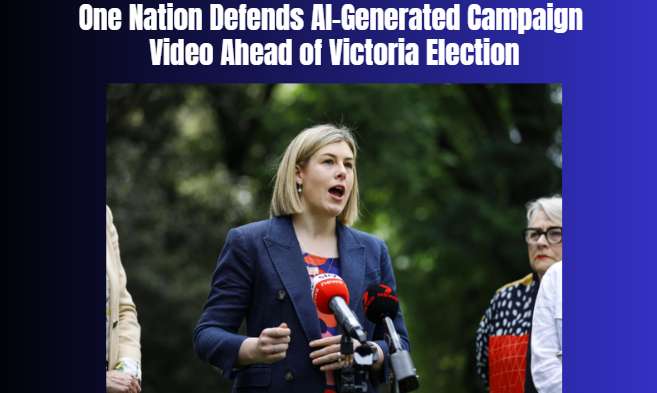
One Nation’s Victorian deputy leader Colleen Harkin has rejected claims that an AI-generated campaign video was racist after criticism of its depiction of crime and security threats.
One Nation’s Victorian deputy leader has defended a controversial AI-generated campaign video after questions were raised about whether its portrayal of crime and security threats relied on racial stereotypes. The video was shown at the party’s Victorian election campaign launch earlier in October. It included an AI-generated depiction of a young man of African appearance wielding a machete and a figure portrayed as a suicide bomber who appeared to be of Middle Eastern descent.
Colleen Harkin rejected the suggestion that the video was racist during an interview with ABC Melbourne on Monday. She argued that the material addressed concerns about crime, community safety and social cohesion in Victoria. The controversy has emerged as political parties prepare for Victoria’s state election, scheduled for 28 November 2026.
Law and order has become a prominent campaign issue, with parties debating how to respond to community concerns about violent crime and public safety. Critics have questioned the use of AI-generated characters whose apparent ethnic backgrounds are associated with criminal or extremist behaviour. Such portrayals can influence how audiences perceive particular communities, particularly when visual representations are used in political messaging about security.
Harkin defended the video as an attempt to illustrate problems that the party believes need to be addressed. During the interview, she also discussed climate change, energy security and One Nation’s opposition to Victoria’s landmark Treaty. The campaign material had already prompted a dispute involving a Tasmanian café owner who was offended by the video and Pauline Hanson’s daughter, who was a customer at the business.
The incident added to scrutiny of the campaign’s imagery and the responses it generated. Federal One Nation MP Barnaby Joyce was also asked about the video over the weekend. He indicated that he had not seen it but said crime was a significant concern for Victorians.
Harkin said One Nation’s Victorian branch was not interested in forming a coalition with the Liberal Party, although she indicated the party would encourage voters to preference the Liberals over Labor. She described Labor as One Nation’s political enemy and the Liberals as its political competition. The debate highlights a wider question about the use of generative AI in election campaigns.
AI tools allow parties to create realistic-looking scenes quickly, but campaign material can raise concerns when images blur the line between illustrative content and actual events, or reinforce assumptions about particular groups. The dispute is likely to remain part of the broader discussion about campaigning, public safety and political communication in the lead-up to the Victorian election. The video’s defenders say it raises issues they believe voters care about, while critics question the implications of the imagery chosen to represent those issues.
The report concerns a political dispute over campaign material; it does not establish that the video depicts real incidents or real individuals.
VideoCampaignNationPoliticalElection
One Nation’s Victorian deputy leader has defended a controversial AI-generated campaign video after questions were raised about whether its portrayal of crime and security threats relied on racial stereotypes. The video was shown at the party’s Victorian election campaign launch earlier in October. It included an AI-generated depiction of a young man of African appearance wielding a machete and a figure portrayed as a suicide bomber who appeared to be of Middle Eastern descent.
Colleen Harkin rejected the suggestion that the video was racist during an interview with ABC Melbourne on Monday. She argued that the material addressed concerns about crime, community safety and social cohesion in Victoria. The controversy has emerged as political parties prepare for Victoria’s state election, scheduled for 28 November 2026.
Law and order has become a prominent campaign issue, with parties debating how to respond to community concerns about violent crime and public safety. Critics have questioned the use of AI-generated characters whose apparent ethnic backgrounds are associated with criminal or extremist behaviour. Such portrayals can influence how audiences perceive particular communities, particularly when visual representations are used in political messaging about security.
Harkin defended the video as an attempt to illustrate problems that the party believes need to be addressed. During the interview, she also discussed climate change, energy security and One Nation’s opposition to Victoria’s landmark Treaty. The campaign material had already prompted a dispute involving a Tasmanian café owner who was offended by the video and Pauline Hanson’s daughter, who was a customer at the business.
The incident added to scrutiny of the campaign’s imagery and the responses it generated. Federal One Nation MP Barnaby Joyce was also asked about the video over the weekend. He indicated that he had not seen it but said crime was a significant concern for Victorians.
Harkin said One Nation’s Victorian branch was not interested in forming a coalition with the Liberal Party, although she indicated the party would encourage voters to preference the Liberals over Labor. She described Labor as One Nation’s political enemy and the Liberals as its political competition. The debate highlights a wider question about the use of generative AI in election campaigns.
AI tools allow parties to create realistic-looking scenes quickly, but campaign material can raise concerns when images blur the line between illustrative content and actual events, or reinforce assumptions about particular groups. The dispute is likely to remain part of the broader discussion about campaigning, public safety and political communication in the lead-up to the Victorian election. The video’s defenders say it raises issues they believe voters care about, while critics question the implications of the imagery chosen to represent those issues.
The report concerns a political dispute over campaign material; it does not establish that the video depicts real incidents or real individuals.
Australia’s Foreign Minister has criticised the postponement of Palestinian elections, warning that continued delays could undermine democratic accounta...
The New South Wales government says 100 new public preschools will be ready by the first day of Term 1 in 2027, but questions remain about how many will...
Nicolette Di Lernia steps down as a parliamentary inquiry examines governance, volunteer disputes and the management of South Australia's historic herit...
Labor drops a controversial ministerial-power provision as proposed digital safety legislation advances, while the Greens demand stronger protections ag...
Shumsheer Singh Ghumman, 47, has reportedly refused food in prison after alleging he was assaulted by fellow inmates. He has pleaded not guilty to 35 ch...
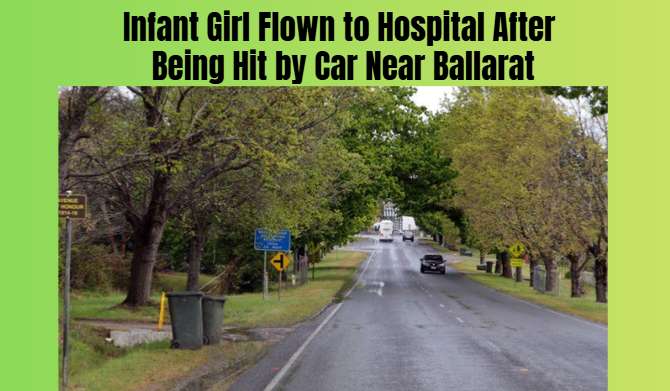
An infant girl was flown to a Melbourne hospital with life-threatening injuries after being hit by a car in Smythesdale, west of Ballarat. Police are in...
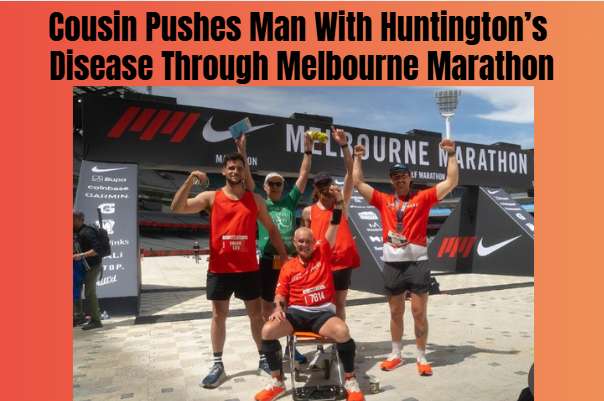
Brisbane runner Nick Morrison completed the 42.2-kilometre Melbourne Marathon while pushing his 21-year-old cousin Toby Holt, who lives with juvenile Hu...
Shumsheer Singh Ghumman, 47, has reportedly refused food in prison after alleging he was assaulted by fellow inmates. He has pleaded not guilty to 35 ch...
Australia’s Foreign Minister has criticised the postponement of Palestinian elections, warning that continued delays could undermine democratic accounta...
Ten public schools will trial restrictions on classroom screen time for younger students from Term 1, 2027, as the state looks to strengthen face-to-fac...
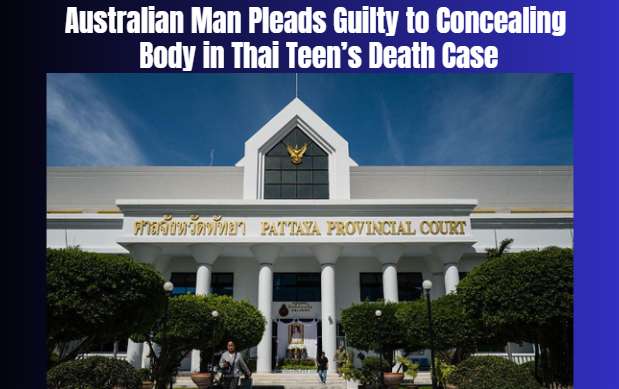
Australian Simon Peter Carman has agreed to plead guilty to concealing the body of 17-year-old Tunchanok Donhomla in Thailand, while contesting the othe...