Safety note: Admin approval is an initial review, not a guarantee that every detail is correct. Check important or urgent claims with official sources and report anything inaccurate or unsafe.
Source and credit: Contributor's own report
Smart summary
Australia’s competition regulator has launched Federal Court proceedings against 12 egg producers and suppliers, alleging they coordinated production and supply decisions in ways that reduced competition.
Australia’s competition regulator has begun Federal Court proceedings against 12 egg producers and suppliers, alleging that businesses across the industry coordinated important production and supply decisions in ways that substantially reduced competition. The case, announced on 13 October 2026, centres on alleged conduct involving some of the country’s largest suppliers of eggs.
The Australian Competition and Consumer Commission alleges that the businesses coordinated their decisions from at least October 2020. The areas under scrutiny include how many eggs were produced, where products were distributed, plans to expand operations and decisions about when to cull birds during periods of perceived oversupply. The regulator argues that this alleged coordination may have restricted competition for several years. The companies named in the proceedings include Sunny Queen, Doug Hall Poultry, McLean Farms, Ellerslie Free Range Farms and Kinross Farm. The allegations relate to different types of eggs, including free-range, cage and organic products. The ACCC says the market is concentrated among a relatively small number of large suppliers, with significant barriers for new competitors seeking to enter or expand in the industry.
One part of the case concerns an alleged arrangement involving Sunny Queen, Hall and McLean Farms to purchase property in Pittsworth, Queensland. The regulator alleges the purchase was intended to prevent rival egg suppliers from acquiring the site and that this reduced competition. The ACCC also alleges that Sunny Queen restricted the quantities of eggs a rival, Kinross, could sell and prevented it from supplying major supermarket groups and other retailers. These are allegations brought by the regulator, not findings that the companies have broken the law. The court proceedings will need to establish the relevant facts and determine whether competition laws were breached. The businesses’ legal positions and the outcome of the case will be important in assessing the allegations.
The case matters to consumers because eggs are a widely purchased household food. The ACCC notes that Australians consume an average of more than 250 eggs per person annually. If competition is weakened, consumers may face less choice or higher prices, while smaller producers may find it harder to gain access to buyers and expand their businesses. However, the allegations alone do not establish that any particular retail price was caused by the conduct under investigation.
The regulator is seeking court orders that may include declarations, penalties, injunctions and costs. The proceedings also highlight the legal requirement for businesses to make production, supply and pricing decisions independently rather than coordinating with competitors in ways prohibited by competition law. The case will now proceed through the legal system. Until the court reaches a decision, the alleged conduct should be treated as unproven.
CompetitionEggsAllegedBusinessesCase
Australia’s competition regulator has begun Federal Court proceedings against 12 egg producers and suppliers, alleging that businesses across the industry coordinated important production and supply decisions in ways that substantially reduced competition. The case, announced on 13 October 2026, centres on alleged conduct involving some of the country’s largest suppliers of eggs.
The Australian Competition and Consumer Commission alleges that the businesses coordinated their decisions from at least October 2020. The areas under scrutiny include how many eggs were produced, where products were distributed, plans to expand operations and decisions about when to cull birds during periods of perceived oversupply. The regulator argues that this alleged coordination may have restricted competition for several years. The companies named in the proceedings include Sunny Queen, Doug Hall Poultry, McLean Farms, Ellerslie Free Range Farms and Kinross Farm. The allegations relate to different types of eggs, including free-range, cage and organic products. The ACCC says the market is concentrated among a relatively small number of large suppliers, with significant barriers for new competitors seeking to enter or expand in the industry.
One part of the case concerns an alleged arrangement involving Sunny Queen, Hall and McLean Farms to purchase property in Pittsworth, Queensland. The regulator alleges the purchase was intended to prevent rival egg suppliers from acquiring the site and that this reduced competition. The ACCC also alleges that Sunny Queen restricted the quantities of eggs a rival, Kinross, could sell and prevented it from supplying major supermarket groups and other retailers. These are allegations brought by the regulator, not findings that the companies have broken the law. The court proceedings will need to establish the relevant facts and determine whether competition laws were breached. The businesses’ legal positions and the outcome of the case will be important in assessing the allegations.
The case matters to consumers because eggs are a widely purchased household food. The ACCC notes that Australians consume an average of more than 250 eggs per person annually. If competition is weakened, consumers may face less choice or higher prices, while smaller producers may find it harder to gain access to buyers and expand their businesses. However, the allegations alone do not establish that any particular retail price was caused by the conduct under investigation.
The regulator is seeking court orders that may include declarations, penalties, injunctions and costs. The proceedings also highlight the legal requirement for businesses to make production, supply and pricing decisions independently rather than coordinating with competitors in ways prohibited by competition law. The case will now proceed through the legal system. Until the court reaches a decision, the alleged conduct should be treated as unproven.
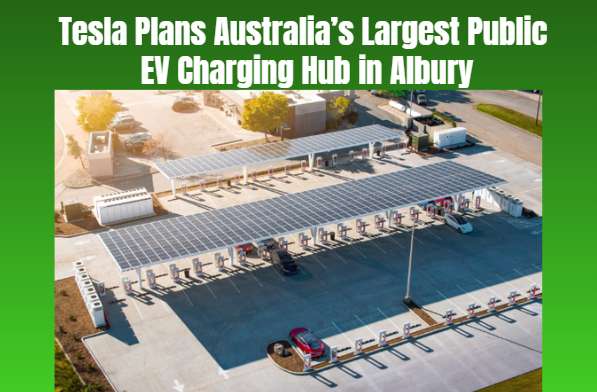
Tesla has proposed a $3.5 million charging facility in Thurgoona, near the Hume Highway, with space to charge 37 electric vehicles simultaneously. The p...
Tesla has applied to increase the number of fast-charging stalls in Kaniva, western Victoria, from 10 to 18. Local businesses say the charging station i...
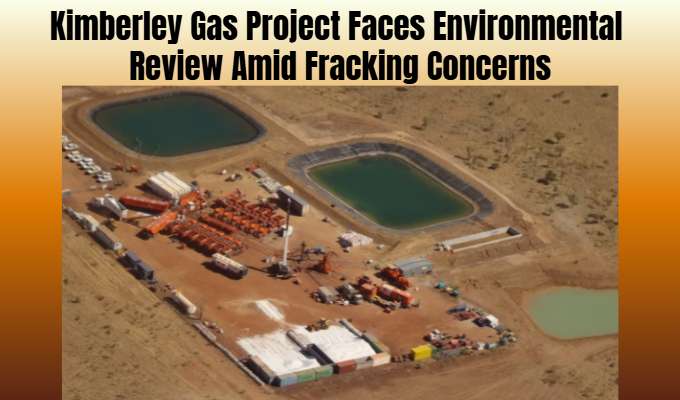
Buru Energy has referred its proposed Rafael conventional gas project for environmental assessment, with supporters citing regional energy security and...
Small business groups and crossbench MPs are calling on the federal government to intervene after the Australian Taxation Office confirmed it will stop...
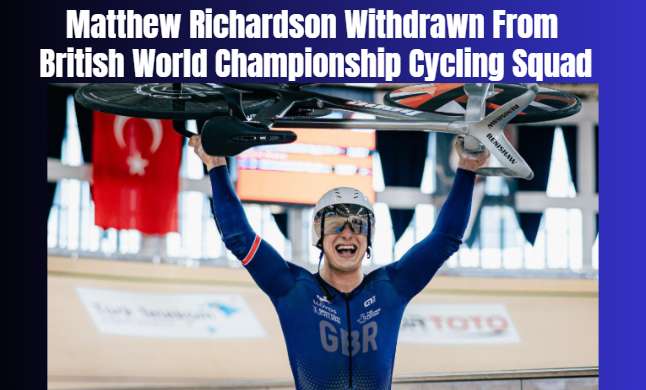
The Olympic medallist has been removed from Great Britain’s team for the 2026 UCI Track Cycling World Championships in Shanghai. Reports have linked the...
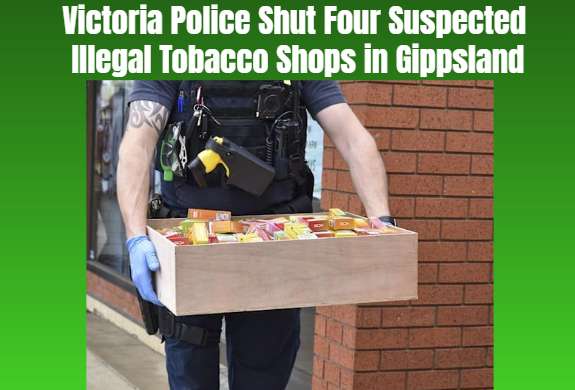
Authorities have closed four shops in regional Victoria suspected of selling illicit tobacco, marking the first such closures outside Melbourne and Geel...
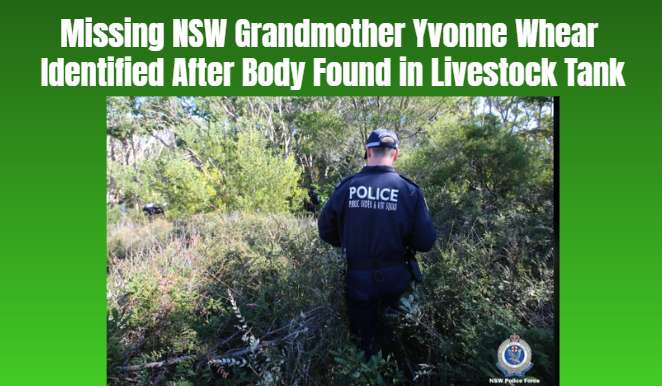
Police have identified the remains found in a disused livestock dip near Terragon as 73-year-old Yvonne Whear, who had been missing since February. Inve...
Ten public schools will trial restrictions on classroom screen time for younger students from Term 1, 2027, as the state looks to strengthen face-to-fac...
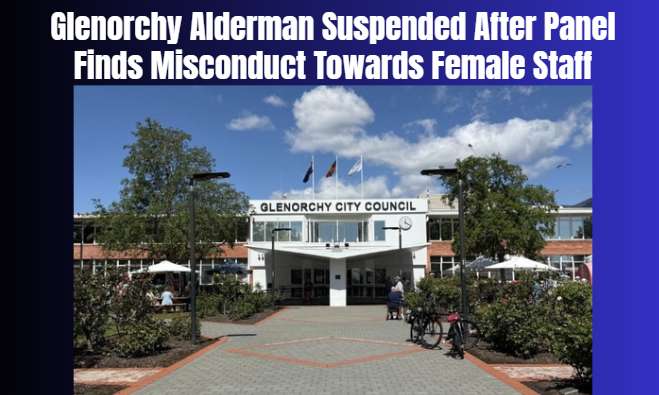
A Tasmanian local-government conduct panel found that long-serving Glenorchy councillor Peter Ridler breached the council’s code of conduct through inap...
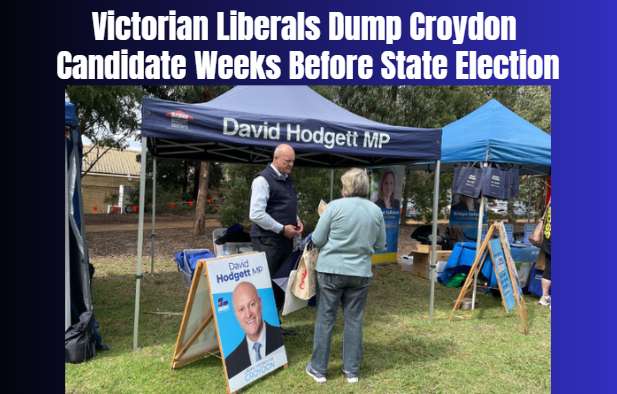
The Victorian Liberal Party has replaced Grant Hutchinson as its candidate for the marginal seat of Croydon, with opposition leader Jess Wilson citing n...
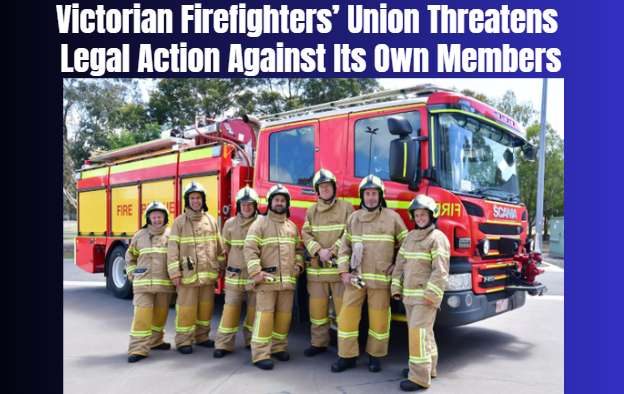
The United Firefighters Union’s Victorian branch is pursuing unpaid $644 levies from members to help cover legal expenses, sparking criticism from some...
The Olympic medallist has been removed from Great Britain’s team for the 2026 UCI Track Cycling World Championships in Shanghai. Reports have linked the...