Safety note: Admin approval is an initial review, not a guarantee that every detail is correct. Check important or urgent claims with official sources and report anything inaccurate or unsafe.
MPs restrained a climate protester who climbed into the NSW Legislative Assembly chamber during question time to oppose a Hunter Valley coal mine expansion.
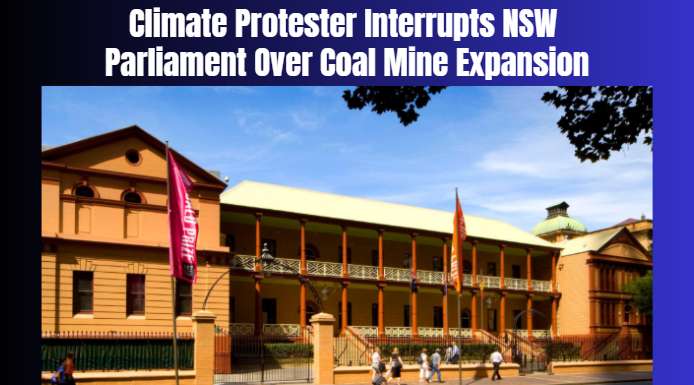
A climate protest disrupted question time at the New South Wales Parliament on Tuesday, 13 October 2026, after an activist climbed over a barrier from the public gallery and entered the Legislative Assembly chamber to protest against a coal mine expansion.
The protest targeted the approved extension of Hunter Valley Operations (HVO), a major coal mining operation in the Hunter Valley. The state’s Independent Planning Commission approved the extension in September, prompting renewed objections from environmental campaigners concerned about coal production and its contribution to greenhouse gas emissions.
The incident involved activists from Rising Tide, an environmental advocacy group known for campaigning against fossil fuel expansion. During the disruption, eight activists threw pages from government and academic climate reports into the parliamentary chamber. The material included a report from the NSW Net Zero Commission that raised concerns about mine expansions and the state’s legislated emissions-reduction targets.
Parliamentary proceedings were interrupted for several minutes. Footage of the incident showed MPs reacting as the protester entered the chamber. Independent MP Michael Regan and Labor MP David Saliba helped parliamentary staff restrain the man, identified as Andrew Sneddon. The Speaker, Greg Piper, cut the parliamentary livestream during the disruption.
Sneddon said the action was driven by what he described as the Minns government’s failure to adequately address the climate crisis. The protest reflected a wider dispute over how New South Wales should balance the economic importance of mining with its environmental commitments.
The Hunter Valley has a long history of coal mining, which supports employment, businesses and regional economic activity. However, environmental groups argue that approving additional mining capacity conflicts with efforts to reduce emissions and limit the effects of climate change. The expansion has therefore become a focus of debate about the state’s energy transition and the future of coal production.
The parliamentary incident also raised questions about security and acceptable conduct inside the legislature. NSW Attorney General Michael Daley criticised the protester’s actions. Police said the man was removed from the chamber by NSW Police Special Constables and issued a move-on direction, which he complied with. At the time of reporting, police did not expect further action.
The protest did not reverse the mine approval. The planning decision and the environmental campaign against it remain separate from the parliamentary disruption.
The incident highlights the growing tension between climate campaigners and governments over fossil fuel projects. While campaigners say urgent action is needed to reduce emissions, elected representatives and planning authorities must consider environmental assessments, legal requirements, employment and regional economic impacts.
The mine extension and the government’s climate policies are likely to remain subjects of public debate. The disruption itself, meanwhile, has renewed attention on how protest movements seek to influence political decisions and the boundaries of conduct within parliamentary institutions.
ClimateParliamentaryCoalEnvironmentalProtest
A climate protest disrupted question time at the New South Wales Parliament on Tuesday, 13 October 2026, after an activist climbed over a barrier from the public gallery and entered the Legislative Assembly chamber to protest against a coal mine expansion.
The protest targeted the approved extension of Hunter Valley Operations (HVO), a major coal mining operation in the Hunter Valley. The state’s Independent Planning Commission approved the extension in September, prompting renewed objections from environmental campaigners concerned about coal production and its contribution to greenhouse gas emissions.
The incident involved activists from Rising Tide, an environmental advocacy group known for campaigning against fossil fuel expansion. During the disruption, eight activists threw pages from government and academic climate reports into the parliamentary chamber. The material included a report from the NSW Net Zero Commission that raised concerns about mine expansions and the state’s legislated emissions-reduction targets.
Parliamentary proceedings were interrupted for several minutes. Footage of the incident showed MPs reacting as the protester entered the chamber. Independent MP Michael Regan and Labor MP David Saliba helped parliamentary staff restrain the man, identified as Andrew Sneddon. The Speaker, Greg Piper, cut the parliamentary livestream during the disruption.
Sneddon said the action was driven by what he described as the Minns government’s failure to adequately address the climate crisis. The protest reflected a wider dispute over how New South Wales should balance the economic importance of mining with its environmental commitments.
The Hunter Valley has a long history of coal mining, which supports employment, businesses and regional economic activity. However, environmental groups argue that approving additional mining capacity conflicts with efforts to reduce emissions and limit the effects of climate change. The expansion has therefore become a focus of debate about the state’s energy transition and the future of coal production.
The parliamentary incident also raised questions about security and acceptable conduct inside the legislature. NSW Attorney General Michael Daley criticised the protester’s actions. Police said the man was removed from the chamber by NSW Police Special Constables and issued a move-on direction, which he complied with. At the time of reporting, police did not expect further action.
The protest did not reverse the mine approval. The planning decision and the environmental campaign against it remain separate from the parliamentary disruption.
The incident highlights the growing tension between climate campaigners and governments over fossil fuel projects. While campaigners say urgent action is needed to reduce emissions, elected representatives and planning authorities must consider environmental assessments, legal requirements, employment and regional economic impacts.
The mine extension and the government’s climate policies are likely to remain subjects of public debate. The disruption itself, meanwhile, has renewed attention on how protest movements seek to influence political decisions and the boundaries of conduct within parliamentary institutions.
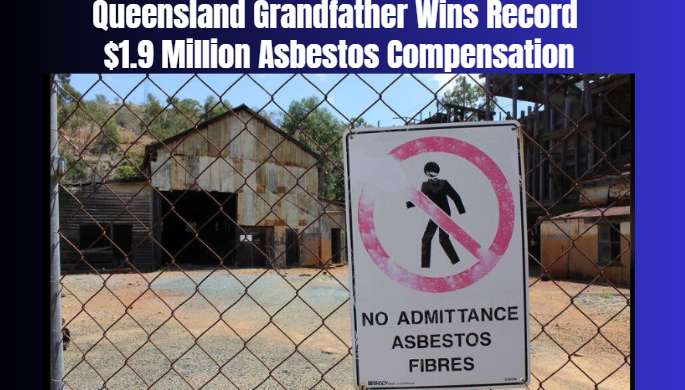
A landmark Queensland court judgment has awarded Mackay grandfather Robin Smith nearly $1.9 million after he developed asbestosis following workplace ex...
Prime Minister Anthony Albanese says Australia will explore options to prevent a planned US military execution livestream from appearing on Australian s...
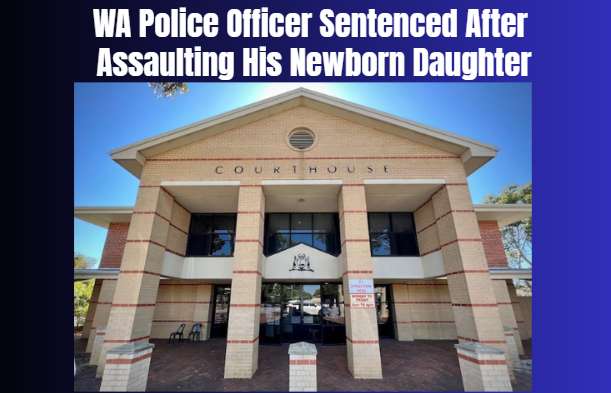
A Western Australian police officer has been sentenced after pleading guilty to shaking his infant daughter at the family home in Perth. The court heard...
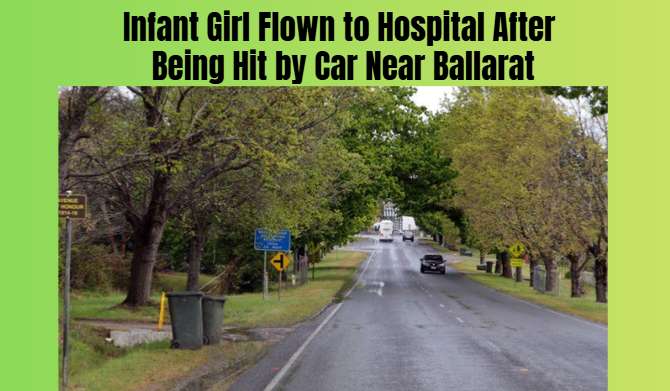
An infant girl was flown to a Melbourne hospital with life-threatening injuries after being hit by a car in Smythesdale, west of Ballarat. Police are in...
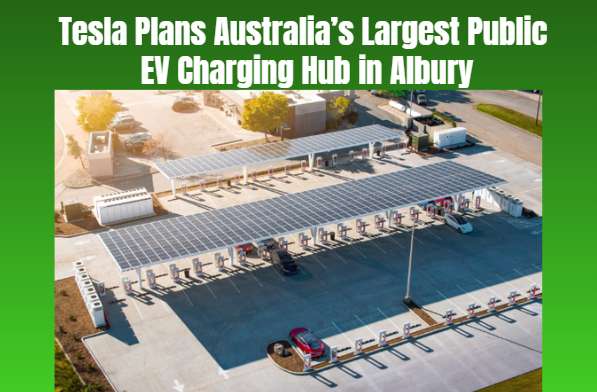
Tesla has proposed a $3.5 million charging facility in Thurgoona, near the Hume Highway, with space to charge 37 electric vehicles simultaneously. The p...
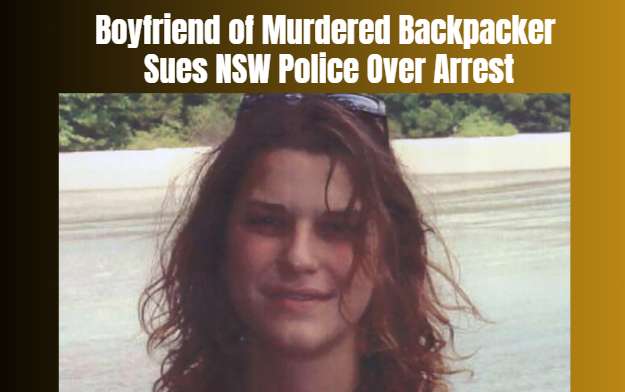
Tobias Moran has launched civil proceedings against New South Wales Police, alleging malicious prosecution after he was charged over the 2005 death of h...
The New South Wales government says 100 new public preschools will be ready by the first day of Term 1 in 2027, but questions remain about how many will...
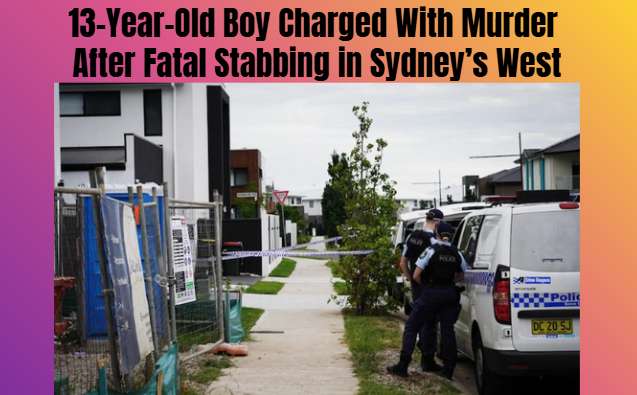
Two teenagers have been charged in connection with the fatal stabbing of a 36-year-old man in Mount Druitt, as homicide detectives continue investigating.
A landmark Queensland court judgment has awarded Mackay grandfather Robin Smith nearly $1.9 million after he developed asbestosis following workplace ex...
Prime Minister Anthony Albanese says Australia will explore options to prevent a planned US military execution livestream from appearing on Australian s...
A coffee-price tracker found that 17% of surveyed cafés increased prices after Australia’s credit card surcharge ban began, with average increases of 50...
A Western Australian police officer has been sentenced after pleading guilty to shaking his infant daughter at the family home in Perth. The court heard...