Safety note: Admin approval is an initial review, not a guarantee that every detail is correct. Check important or urgent claims with official sources and report anything inaccurate or unsafe.
Source and credit: Contributor's own report
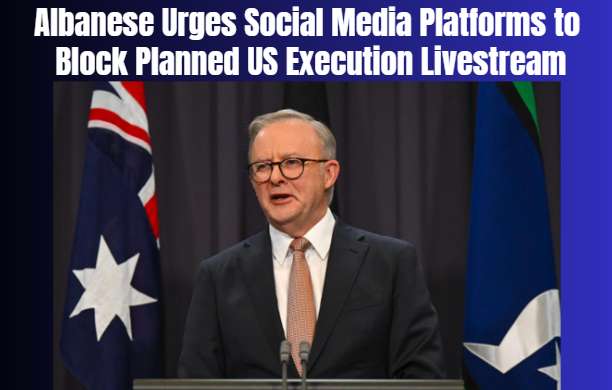
Albanese Urges Social Media Platforms to Block Planned US Execution Livestream - National, ACT
Smart summary
Prime Minister Anthony Albanese says Australia will explore options to prevent a planned US military execution livestream from appearing on Australian screens, but the e Safety regulator says it cannot proactively blo...
Australian Prime Minister Anthony Albanese has called on social media platforms to prevent a planned livestream of a United States military execution from being viewed in Australia, describing the proposed broadcast as abhorrent and warning that it could expose Australians, including children, to deeply distressing material.
The controversy concerns Nidal Malik Hasan, a former US Army psychiatrist convicted of killing 13 people and attempting to murder 32 others during the 2009 mass shooting at Fort Hood, a military installation in Texas. A military jury sentenced Hasan to death in 2013.
US Defense Secretary Pete Hegseth has said the execution, reportedly scheduled for 3 December 2026, would be made available for public viewing through a livestream. However, the final decision about whether the broadcast will proceed has not been confirmed, with US President Donald Trump still considering the matter.
Speaking on 13 October, Albanese said his government would do whatever it could to prevent the footage from reaching Australian audiences. He acknowledged that blocking the broadcast would not be as simple as switching off a service, but said online platforms had a social responsibility to act.
The prime minister's comments followed a warning from Australia's e Safety Commissioner that the regulator does not have the power to proactively prevent a livestream from occurring online. The commission said online services nevertheless have responsibilities under Australia's online safety framework to protect users from harmful material.
The distinction is important: the regulator's inability to prevent a broadcast in advance does not mean platforms are free from their existing legal obligations. Depending on the circumstances and applicable laws, authorities may have other options if harmful content becomes available.
The proposed livestream has attracted criticism from politicians across party lines. Greens representatives have called for the government to take stronger action, while members of the Coalition have also expressed concern about children and other Australians encountering footage of an execution.
Foreign Minister Penny Wong has reiterated Australia's opposition to the death penalty in all circumstances. Human rights advocates have also urged Australian officials to make representations to the US government, arguing that broadcasting an execution would raise serious ethical and human-rights concerns.
The issue has prompted renewed discussion about the responsibilities of technology companies and the limits of Australia's online safety laws. Experts have suggested that the current framework is better equipped to respond to certain material after it appears online than to stop a specific livestream before it begins.
The government is considering its options and has urged platforms to prevent the material from appearing on their services. Technology companies contacted by the ABC had not publicly confirmed whether they would restrict the proposed broadcast at the time of reporting.
As of 13 October, the execution livestream remained a proposed event rather than a completed broadcast. Its final status depends on decisions in the United States and on how online platforms respond.
The debate highlights a broader challenge for governments worldwide: how to protect the public from potentially harmful online content while working within existing laws and the technical limits of digital platforms.
OnlineLivestreamPlatformsBroadcastExecution
Australian Prime Minister Anthony Albanese has called on social media platforms to prevent a planned livestream of a United States military execution from being viewed in Australia, describing the proposed broadcast as abhorrent and warning that it could expose Australians, including children, to deeply distressing material.
The controversy concerns Nidal Malik Hasan, a former US Army psychiatrist convicted of killing 13 people and attempting to murder 32 others during the 2009 mass shooting at Fort Hood, a military installation in Texas. A military jury sentenced Hasan to death in 2013.
US Defense Secretary Pete Hegseth has said the execution, reportedly scheduled for 3 December 2026, would be made available for public viewing through a livestream. However, the final decision about whether the broadcast will proceed has not been confirmed, with US President Donald Trump still considering the matter.
Speaking on 13 October, Albanese said his government would do whatever it could to prevent the footage from reaching Australian audiences. He acknowledged that blocking the broadcast would not be as simple as switching off a service, but said online platforms had a social responsibility to act.
The prime minister's comments followed a warning from Australia's e Safety Commissioner that the regulator does not have the power to proactively prevent a livestream from occurring online. The commission said online services nevertheless have responsibilities under Australia's online safety framework to protect users from harmful material.
The distinction is important: the regulator's inability to prevent a broadcast in advance does not mean platforms are free from their existing legal obligations. Depending on the circumstances and applicable laws, authorities may have other options if harmful content becomes available.
The proposed livestream has attracted criticism from politicians across party lines. Greens representatives have called for the government to take stronger action, while members of the Coalition have also expressed concern about children and other Australians encountering footage of an execution.
Foreign Minister Penny Wong has reiterated Australia's opposition to the death penalty in all circumstances. Human rights advocates have also urged Australian officials to make representations to the US government, arguing that broadcasting an execution would raise serious ethical and human-rights concerns.
The issue has prompted renewed discussion about the responsibilities of technology companies and the limits of Australia's online safety laws. Experts have suggested that the current framework is better equipped to respond to certain material after it appears online than to stop a specific livestream before it begins.
The government is considering its options and has urged platforms to prevent the material from appearing on their services. Technology companies contacted by the ABC had not publicly confirmed whether they would restrict the proposed broadcast at the time of reporting.
As of 13 October, the execution livestream remained a proposed event rather than a completed broadcast. Its final status depends on decisions in the United States and on how online platforms respond.
The debate highlights a broader challenge for governments worldwide: how to protect the public from potentially harmful online content while working within existing laws and the technical limits of digital platforms.
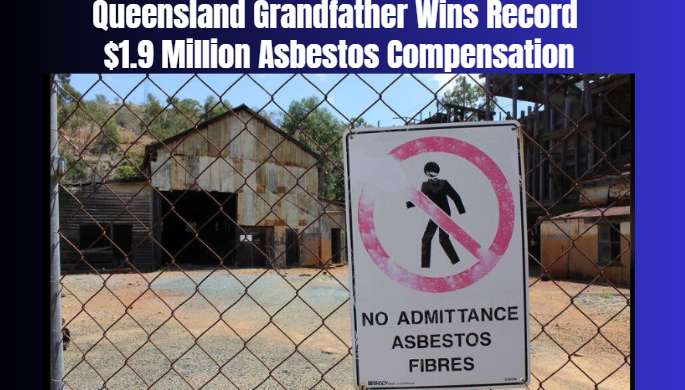
A landmark Queensland court judgment has awarded Mackay grandfather Robin Smith nearly $1.9 million after he developed asbestosis following workplace ex...
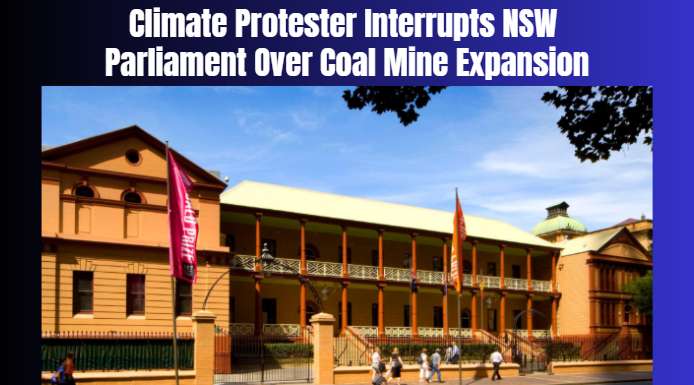
MPs restrained a climate protester who climbed into the NSW Legislative Assembly chamber during question time to oppose a Hunter Valley coal mine expans...
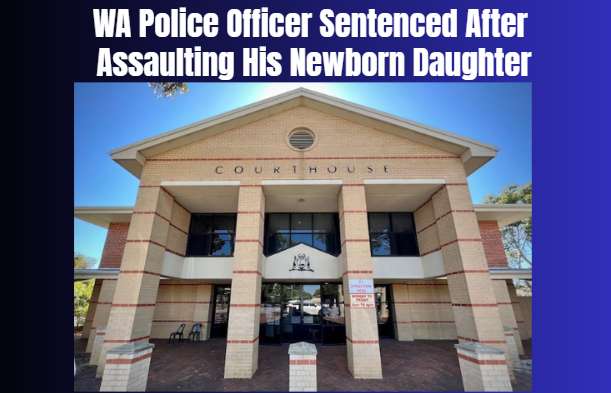
A Western Australian police officer has been sentenced after pleading guilty to shaking his infant daughter at the family home in Perth. The court heard...
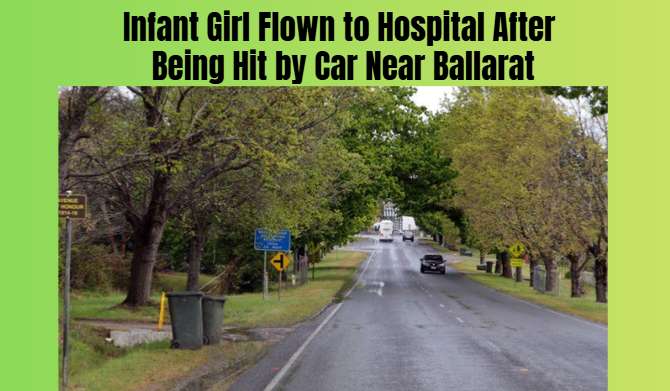
An infant girl was flown to a Melbourne hospital with life-threatening injuries after being hit by a car in Smythesdale, west of Ballarat. Police are in...
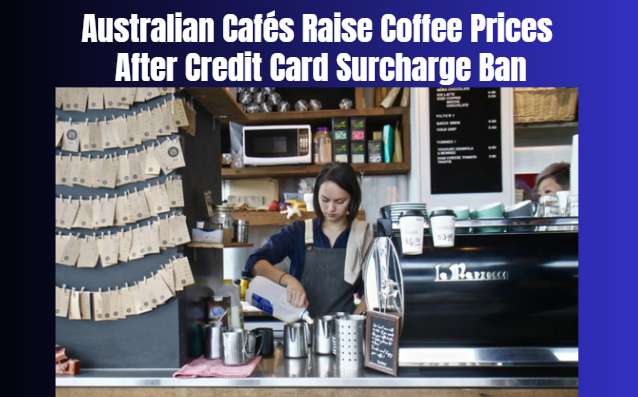
A coffee-price tracker found that 17% of surveyed cafés increased prices after Australia’s credit card surcharge ban began, with average increases of 50...
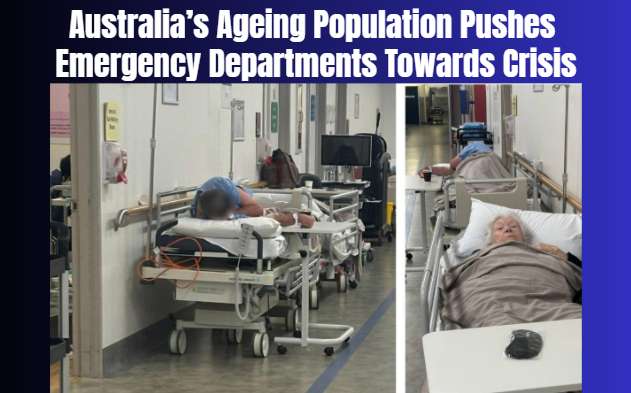
Emergency doctors warn that hospitals are struggling to accommodate older patients, with longer waits for inpatient beds, overcrowding and gaps in aged...
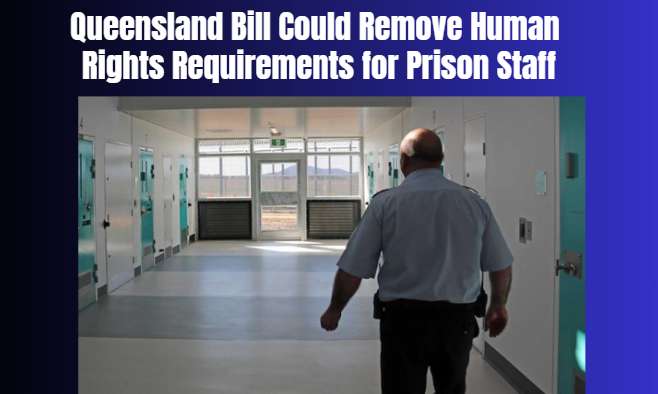
A proposed Queensland law would exempt corrective services staff from having to consider prisoners’ human rights when making certain decisions. Supporte...
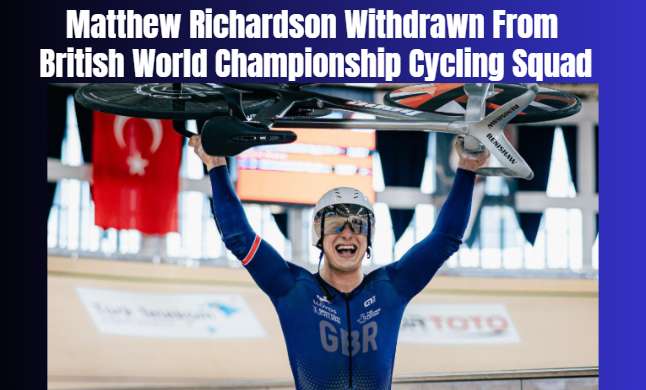
The Olympic medallist has been removed from Great Britain’s team for the 2026 UCI Track Cycling World Championships in Shanghai. Reports have linked the...
An 18-year-old provisional driver accused of injuring 10 people during a Newcastle Knights supporters’ procession has been served with eight additional...
A landmark Queensland court judgment has awarded Mackay grandfather Robin Smith nearly $1.9 million after he developed asbestosis following workplace ex...
A coffee-price tracker found that 17% of surveyed cafés increased prices after Australia’s credit card surcharge ban began, with average increases of 50...