Safety note: Admin approval is an initial review, not a guarantee that every detail is correct. Check important or urgent claims with official sources and report anything inaccurate or unsafe.
Source and credit: Contributor's own report
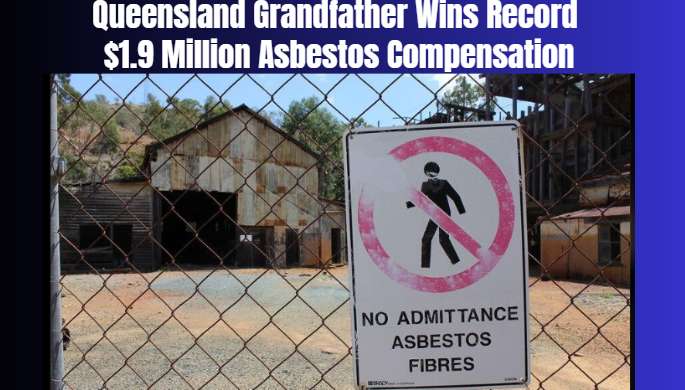
Queensland Grandfather Wins Record $1.9 Million Asbestos Compensation - Mackay, QLD
Smart summary
A landmark Queensland court judgment has awarded Mackay grandfather Robin Smith nearly $1.9 million after he developed asbestosis following workplace exposure to asbestos.
A Queensland grandfather dying from asbestosis has been awarded nearly $1.9 million in compensation after decades of workplace exposure to asbestos, in a landmark judgment with potential implications for other people affected by the dangerous material.
Robin Smith, a Mackay resident in his late 70s, developed the progressive lung disease after working as a plumber from the mid-1960s onwards. His employment included work for the former Queensland government's Mackay Harbour Board, now known as North Queensland Bulk Ports Corporation.
During his work, Smith used a demolition saw to cut asbestos-cement pipes associated with water infrastructure at the port. The exposure continued into the mid-1990s, according to evidence considered by the court.
The compensation case was heard over four days in August 2026 and involved Amaca Pty Ltd, formerly James Hardie & Coy, North Queensland Bulk Ports Corporation and Work Cover Queensland. The judgment was reported on 13 October.
A significant component of the award was $800,000 for pain and suffering. Medical evidence presented to the court described Smith's condition as progressive, irreversible and fatal, with an estimated life expectancy of five to six years.
Asbestosis develops when asbestos fibres are inhaled and cause scarring of lung tissue. Symptoms can take decades to appear, and the disease can progressively reduce a person's ability to breathe and carry out everyday activities. There is currently no cure for asbestosis.
Smith did not wish to speak publicly about the case. Through his lawyer, he expressed hope that the judgment would become an important turning point for other people affected by asbestos exposure.
The decision is particularly significant because it is described as the first of its kind in Queensland and the largest compensation payment on record for asbestosis in Australia. Legal representatives say the ruling may provide guidance for people pursuing similar claims, although each case depends on its own evidence, circumstances and legal issues.
North Queensland Bulk Ports Corporation expressed sympathy for Smith and his family and said it respected the Supreme Court's findings. The organisation declined to comment in detail because of the nature of the proceedings and the involvement of other parties.
The case also highlights the continuing legacy of asbestos in Australia. Although asbestos was banned nationally in 2003, large quantities remain in older buildings, infrastructure and other materials. Workers, renovators and homeowners can still face exposure risks when asbestos-containing products are disturbed without appropriate precautions.
Asbestos-related diseases can emerge many years after the original exposure, meaning claims may involve historical employment records, medical evidence and complex questions about responsibility.
The judgment does not automatically determine the outcome of other asbestos compensation claims. However, it may provide a useful legal reference for affected workers and their families seeking accountability and financial support.
For Smith and his family, the award recognises the severe impact of a disease associated with workplace exposure spanning decades. For other Australians, the case is a reminder that asbestos remains a serious safety issue long after its use was prohibited.
AsbestosQueenslandExposureOtherSmith
A Queensland grandfather dying from asbestosis has been awarded nearly $1.9 million in compensation after decades of workplace exposure to asbestos, in a landmark judgment with potential implications for other people affected by the dangerous material.
Robin Smith, a Mackay resident in his late 70s, developed the progressive lung disease after working as a plumber from the mid-1960s onwards. His employment included work for the former Queensland government's Mackay Harbour Board, now known as North Queensland Bulk Ports Corporation.
During his work, Smith used a demolition saw to cut asbestos-cement pipes associated with water infrastructure at the port. The exposure continued into the mid-1990s, according to evidence considered by the court.
The compensation case was heard over four days in August 2026 and involved Amaca Pty Ltd, formerly James Hardie & Coy, North Queensland Bulk Ports Corporation and Work Cover Queensland. The judgment was reported on 13 October.
A significant component of the award was $800,000 for pain and suffering. Medical evidence presented to the court described Smith's condition as progressive, irreversible and fatal, with an estimated life expectancy of five to six years.
Asbestosis develops when asbestos fibres are inhaled and cause scarring of lung tissue. Symptoms can take decades to appear, and the disease can progressively reduce a person's ability to breathe and carry out everyday activities. There is currently no cure for asbestosis.
Smith did not wish to speak publicly about the case. Through his lawyer, he expressed hope that the judgment would become an important turning point for other people affected by asbestos exposure.
The decision is particularly significant because it is described as the first of its kind in Queensland and the largest compensation payment on record for asbestosis in Australia. Legal representatives say the ruling may provide guidance for people pursuing similar claims, although each case depends on its own evidence, circumstances and legal issues.
North Queensland Bulk Ports Corporation expressed sympathy for Smith and his family and said it respected the Supreme Court's findings. The organisation declined to comment in detail because of the nature of the proceedings and the involvement of other parties.
The case also highlights the continuing legacy of asbestos in Australia. Although asbestos was banned nationally in 2003, large quantities remain in older buildings, infrastructure and other materials. Workers, renovators and homeowners can still face exposure risks when asbestos-containing products are disturbed without appropriate precautions.
Asbestos-related diseases can emerge many years after the original exposure, meaning claims may involve historical employment records, medical evidence and complex questions about responsibility.
The judgment does not automatically determine the outcome of other asbestos compensation claims. However, it may provide a useful legal reference for affected workers and their families seeking accountability and financial support.
For Smith and his family, the award recognises the severe impact of a disease associated with workplace exposure spanning decades. For other Australians, the case is a reminder that asbestos remains a serious safety issue long after its use was prohibited.
Emergency services are continuing their search for French-born kitesurfer Eric Metrot, who disappeared during a kitesurfing session near Five Finger Ree...
Queensland's ambulance service is facing renewed scrutiny after its commissioner resigned following concerns about delays in emergency medical responses...
A new specialist police team based in Rockhampton will target serious organised crime, drug trafficking and money laundering across Mackay, Gladstone an...
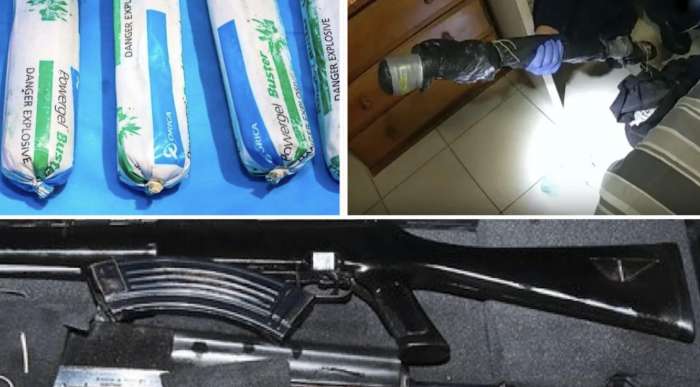
Police allege a 50-year-old man accessed Defence land and stole military weapons, including 16 live explosives, later found during a raid at a Townsvill...
Queensland's ambulance service is facing renewed scrutiny after its commissioner resigned following concerns about delays in emergency medical responses...
Police investigate multiple violent incidents during Schoolies celebrations, including a knife attack on a 19-year-old man and a serious assault that le...
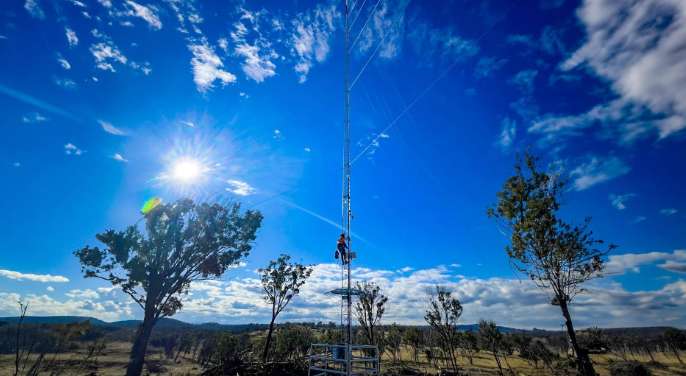
Renewable energy company Vestas has removed a 120-metre wind-monitoring tower from a proposed wind farm site on the Western Downs after local pilots rep...
Tasmania's government expects to continue building the Macquarie Point stadium even if it cannot secure additional money from the federal government or...
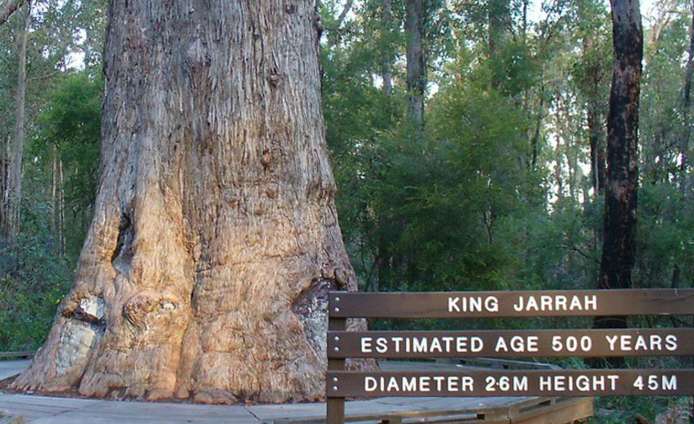
A landmark jarrah tree in Wellington National Park has been cut with a chainsaw near its base, prompting a police investigation and fears that the ancie...
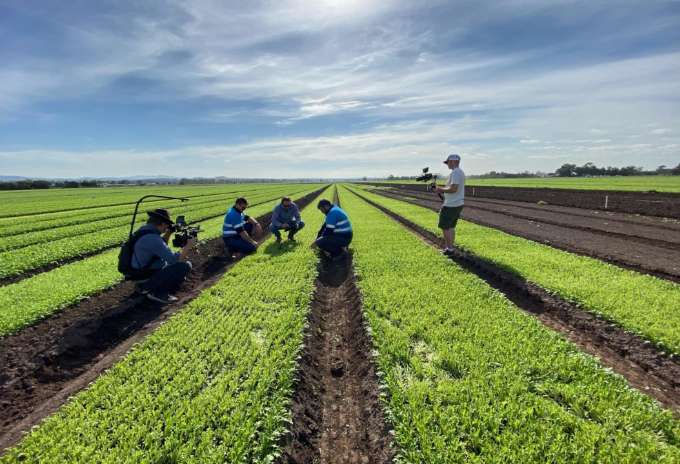
Victoria's Labour Hire Authority has uncovered alleged worker exploitation on three farms near Bairnsdale, with workers reportedly receiving up to 35 pe...