Melbourne Councils Unite to Make Yarra River Swimmable by 2050
By Chloe · Published 19 Oct 2026 · Updated 19 Oct 2026
Melbourne, VIC · Victoria News
Safety note: Admin approval is an initial review, not a guarantee that every detail is correct. Check important or urgent claims with official sources and report anything inaccurate or unsafe.
Source and credit: Contributor's own report
Melbourne Councils Unite to Make Yarra River Swimmable by 2050 - Melbourne, VIC
Smart summary
Four Melbourne councils and Melbourne Water have joined forces to improve the Yarra River's water quality, with a long-term goal of making parts of the river safe for public swimming by 2050.
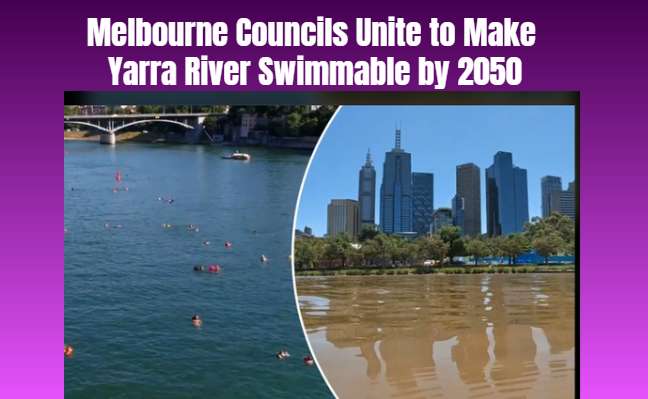
Melbourne authorities have launched a major environmental initiative aimed at restoring the Yarra River, also known by its Indigenous name, Birrarung, and making it suitable for public swimming by 2050. The project brings together four local councils and Melbourne Water to improve the health of one of Victoria's most recognisable waterways.
The City of Melbourne, the City of Yarra, Moonee Valley City Council and Banyule City Council are working with Melbourne Water to establish a coordinated approach to river restoration. The initiative reflects growing interest in making urban waterways cleaner, safer and more accessible for residents and visitors.
The Yarra River has played an important role in Melbourne's history, providing a waterway for transport, recreation and community activities. First Nations people have longstanding cultural connections to the river, while generations of Melburnians have used its banks for walking, rowing and other leisure activities.
However, industrial development, population growth and pollution have significantly affected the river's water quality. Swimming was progressively restricted from the 1960s as contamination concerns increased, and swimming is prohibited in certain sections today.
Authorities say making the river safe for swimming will require a substantial, long-term effort. Pollution from animal waste, litter, petrochemicals and stormwater runoff continues to affect water quality in different parts of the catchment. Melbourne Water has reported that E. coli levels in some sections, including areas around Kew, can reach approximately 25 times the recommended level for safe swimming.
The coalition plans to investigate improvements to water infrastructure, filtration systems and natural treatment methods. Wetlands could play a role in filtering pollutants before they enter the river, while improved stormwater management may help reduce contamination after rainfall.
Melbourne Lord Mayor Nick Reece has pointed to international examples of urban waterways that have undergone major restoration programs. Paris, Berlin and Copenhagen are among the cities being considered for inspiration as Melbourne explores ways to improve river access and water quality.
The restoration initiative is expected to require cooperation between councils, state agencies, environmental organisations, Traditional Owners and community groups. Because responsibility for the river is shared across multiple organisations, coordination will be essential to ensure that improvements in one area are not undermined by pollution elsewhere.
The project is also expected to examine where designated swimming locations might eventually be established. Any future swimming zones would need to meet appropriate water-quality and safety requirements, and community input is expected to help inform decisions about their location.
Officials have acknowledged that the target will not be achieved quickly. The work is expected to take at least a decade, and the full project has not yet been costed. Further investigations will be needed to determine the necessary infrastructure, funding and environmental measures.
If successful, the initiative could give Melbourne residents more opportunities to enjoy their river while improving biodiversity, supporting tourism and strengthening connections between communities and the natural environment.
For now, the 2050 target represents a long-term ambition rather than a guarantee that the entire Yarra River will be safe for swimming. Authorities will need to demonstrate measurable improvements in water quality before public swimming can be expanded.
The initiative marks a significant step towards a healthier urban waterway and highlights the importance of sustained investment, environmental monitoring and cooperation across Melbourne.
RiverMelbourneSwimmingWaterWill
Melbourne authorities have launched a major environmental initiative aimed at restoring the Yarra River, also known by its Indigenous name, Birrarung, and making it suitable for public swimming by 2050. The project brings together four local councils and Melbourne Water to improve the health of one of Victoria's most recognisable waterways.
The City of Melbourne, the City of Yarra, Moonee Valley City Council and Banyule City Council are working with Melbourne Water to establish a coordinated approach to river restoration. The initiative reflects growing interest in making urban waterways cleaner, safer and more accessible for residents and visitors.
The Yarra River has played an important role in Melbourne's history, providing a waterway for transport, recreation and community activities. First Nations people have longstanding cultural connections to the river, while generations of Melburnians have used its banks for walking, rowing and other leisure activities.
However, industrial development, population growth and pollution have significantly affected the river's water quality. Swimming was progressively restricted from the 1960s as contamination concerns increased, and swimming is prohibited in certain sections today.
Authorities say making the river safe for swimming will require a substantial, long-term effort. Pollution from animal waste, litter, petrochemicals and stormwater runoff continues to affect water quality in different parts of the catchment. Melbourne Water has reported that E. coli levels in some sections, including areas around Kew, can reach approximately 25 times the recommended level for safe swimming.
The coalition plans to investigate improvements to water infrastructure, filtration systems and natural treatment methods. Wetlands could play a role in filtering pollutants before they enter the river, while improved stormwater management may help reduce contamination after rainfall.
Melbourne Lord Mayor Nick Reece has pointed to international examples of urban waterways that have undergone major restoration programs. Paris, Berlin and Copenhagen are among the cities being considered for inspiration as Melbourne explores ways to improve river access and water quality.
The restoration initiative is expected to require cooperation between councils, state agencies, environmental organisations, Traditional Owners and community groups. Because responsibility for the river is shared across multiple organisations, coordination will be essential to ensure that improvements in one area are not undermined by pollution elsewhere.
The project is also expected to examine where designated swimming locations might eventually be established. Any future swimming zones would need to meet appropriate water-quality and safety requirements, and community input is expected to help inform decisions about their location.
Officials have acknowledged that the target will not be achieved quickly. The work is expected to take at least a decade, and the full project has not yet been costed. Further investigations will be needed to determine the necessary infrastructure, funding and environmental measures.
If successful, the initiative could give Melbourne residents more opportunities to enjoy their river while improving biodiversity, supporting tourism and strengthening connections between communities and the natural environment.
For now, the 2050 target represents a long-term ambition rather than a guarantee that the entire Yarra River will be safe for swimming. Authorities will need to demonstrate measurable improvements in water quality before public swimming can be expanded.
The initiative marks a significant step towards a healthier urban waterway and highlights the importance of sustained investment, environmental monitoring and cooperation across Melbourne.
Small-scale flower growers and local entrepreneurs in Western Australia's Kimberley region are stepping in to meet demand after the town's main florist...
Rising rents and living costs are pushing more people, including working families and older Australians, towards homelessness, according to Western Aust...
Australian Federal Police allege a 32-year-old Bentleigh East man imported 71 conducted energy devices and 30 canisters of pepper spray. Investigators s...
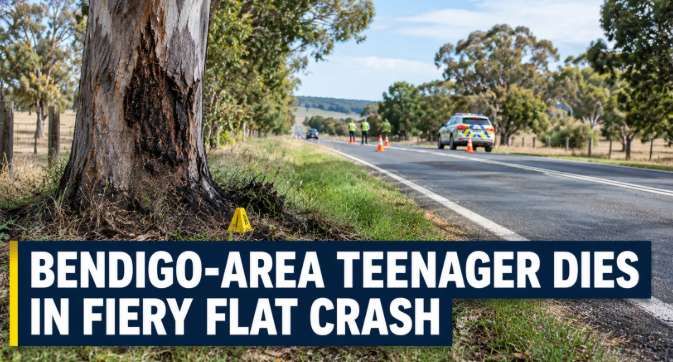
A 19-year-old man from the Bendigo area died after the car he was driving struck a tree on Inglewood–Powlett Road near Fiery Flat. Police are investigat...
A 57-year-old former digital forensic officer has been charged with multiple offences, including alleged possession of child abuse material, following a...
Tracey Lee Russell, 53, appeared by video link at Melbourne Magistrates’ Court as proceedings concerning the death of a 47-year-old man were adjourned u...
Northern Territory authorities are urging residents to prepare early for another potentially severe wet season, with cyclones, flooding and dangerous st...
An Australian activist detained in Vietnam has reportedly told his family that he is frightened, renewing concerns about his welfare and circumstances i...
The celebrated novel tops ABC Radio National’s Top 100 Australian Books poll after more than 280,000 votes, reaffirming its place in the country’s liter...