Safety note: Admin approval is an initial review, not a guarantee that every detail is correct. Check important or urgent claims with official sources and report anything inaccurate or unsafe.
Coastal Farmland Approved for Thousands of New Homes
Smart summary
Major residential developments are set to transform parts of the Bundaberg region after coastal farmland received approval for housing projects that could eventually deliver thousands of new homes. The development com...
Major residential developments are set to transform parts of the Bundaberg region after coastal farmland received approval for housing projects that could eventually deliver thousands of new homes. The development comes as Bundaberg faces increasing demand for housing and continued population growth, but it has also prompted discussion about the future of agricultural land and the impact of large-scale urban expansion.
The approved developments represent a significant change for land that has traditionally been used for farming. Converting agricultural areas into residential neighbourhoods can provide additional housing for growing communities, but it can also reduce the amount of productive farmland available for future agricultural use.
For Bundaberg, the issue is particularly important because agriculture is a major part of the regional economy. The district is known for producing crops and supporting a large network of agricultural businesses. Any long-term reduction in farming land can therefore have consequences beyond individual properties.
At the same time, demand for housing has increased as more people choose to live in the Bundaberg region. New residential developments can provide homes for families, first-home buyers, workers and people moving to the area. Supporters of the projects argue that increasing housing supply is necessary to keep up with population growth.
The scale of the planned developments means infrastructure will be an important consideration. New communities require roads, drainage, water, sewerage, electricity and public transport. Schools, healthcare facilities, parks and other community services may also need to expand as the number of residents increases.
Traffic is another issue that can emerge when rural land is converted into residential areas. Thousands of additional homes can mean thousands of additional daily vehicle movements, placing greater pressure on existing roads and intersections.
Residents living near proposed developments may also be concerned about changes to the character of their neighbourhoods. Areas that were previously surrounded by farmland can become densely developed, changing views, traffic patterns, noise levels and the overall appearance of the local landscape.
Environmental considerations are also important for coastal development. Planning authorities need to assess drainage, flooding, vegetation, wildlife habitat and other environmental factors before large residential projects proceed.
The developments could nevertheless provide significant economic benefits. Construction activity can create employment for builders, tradespeople, engineers and other workers. New residents can also increase demand for local shops, restaurants, services and businesses.
Housing construction can provide opportunities for regional businesses and contribute to government revenue through development-related activity. Once completed, new neighbourhoods can also support the expansion of existing community facilities.
However, balancing housing demand with protection of agricultural land is likely to remain a key challenge. Regional communities need enough homes for their growing populations while also maintaining the farming industries that support local economies.
The Bundaberg region has experienced growth over recent years, increasing pressure on available land. As population projections rise, planning decisions about where new homes should be built will become increasingly important.
The latest approvals demonstrate how quickly rural areas can change when housing demand increases. Land that has been used for farming for many years can eventually become residential land, creating new communities but also permanently changing the area's land-use pattern.
For future residents, the developments could provide much-needed housing choices. For existing residents and farmers, however, the changes raise questions about whether enough agricultural land will remain available.
Local infrastructure planning will be critical to ensuring that growth does not overwhelm existing services. Developers and authorities will need to coordinate road improvements, utilities and community facilities as construction progresses.
The projects also highlight the broader challenge facing many growing regional centres across Queensland. Population growth can bring investment and employment, but it requires careful planning to ensure that development remains sustainable.
For Bundaberg, the decision represents another major step in the region's expansion. Thousands of new homes could help address housing demand and support future population growth, while the loss of coastal farmland will continue to be an important issue for the community.
The balance between providing homes and protecting agricultural land will remain central to discussions about Bundaberg's future. As the approved projects move forward, residents will be watching how infrastructure, environmental protection and community services are managed alongside construction.
AlsoHousingLandHomesWill
Major residential developments are set to transform parts of the Bundaberg region after coastal farmland received approval for housing projects that could eventually deliver thousands of new homes. The development comes as Bundaberg faces increasing demand for housing and continued population growth, but it has also prompted discussion about the future of agricultural land and the impact of large-scale urban expansion.
The approved developments represent a significant change for land that has traditionally been used for farming. Converting agricultural areas into residential neighbourhoods can provide additional housing for growing communities, but it can also reduce the amount of productive farmland available for future agricultural use.
For Bundaberg, the issue is particularly important because agriculture is a major part of the regional economy. The district is known for producing crops and supporting a large network of agricultural businesses. Any long-term reduction in farming land can therefore have consequences beyond individual properties.
At the same time, demand for housing has increased as more people choose to live in the Bundaberg region. New residential developments can provide homes for families, first-home buyers, workers and people moving to the area. Supporters of the projects argue that increasing housing supply is necessary to keep up with population growth.
The scale of the planned developments means infrastructure will be an important consideration. New communities require roads, drainage, water, sewerage, electricity and public transport. Schools, healthcare facilities, parks and other community services may also need to expand as the number of residents increases.
Traffic is another issue that can emerge when rural land is converted into residential areas. Thousands of additional homes can mean thousands of additional daily vehicle movements, placing greater pressure on existing roads and intersections.
Residents living near proposed developments may also be concerned about changes to the character of their neighbourhoods. Areas that were previously surrounded by farmland can become densely developed, changing views, traffic patterns, noise levels and the overall appearance of the local landscape.
Environmental considerations are also important for coastal development. Planning authorities need to assess drainage, flooding, vegetation, wildlife habitat and other environmental factors before large residential projects proceed.
The developments could nevertheless provide significant economic benefits. Construction activity can create employment for builders, tradespeople, engineers and other workers. New residents can also increase demand for local shops, restaurants, services and businesses.
Housing construction can provide opportunities for regional businesses and contribute to government revenue through development-related activity. Once completed, new neighbourhoods can also support the expansion of existing community facilities.
However, balancing housing demand with protection of agricultural land is likely to remain a key challenge. Regional communities need enough homes for their growing populations while also maintaining the farming industries that support local economies.
The Bundaberg region has experienced growth over recent years, increasing pressure on available land. As population projections rise, planning decisions about where new homes should be built will become increasingly important.
The latest approvals demonstrate how quickly rural areas can change when housing demand increases. Land that has been used for farming for many years can eventually become residential land, creating new communities but also permanently changing the area's land-use pattern.
For future residents, the developments could provide much-needed housing choices. For existing residents and farmers, however, the changes raise questions about whether enough agricultural land will remain available.
Local infrastructure planning will be critical to ensuring that growth does not overwhelm existing services. Developers and authorities will need to coordinate road improvements, utilities and community facilities as construction progresses.
The projects also highlight the broader challenge facing many growing regional centres across Queensland. Population growth can bring investment and employment, but it requires careful planning to ensure that development remains sustainable.
For Bundaberg, the decision represents another major step in the region's expansion. Thousands of new homes could help address housing demand and support future population growth, while the loss of coastal farmland will continue to be an important issue for the community.
The balance between providing homes and protecting agricultural land will remain central to discussions about Bundaberg's future. As the approved projects move forward, residents will be watching how infrastructure, environmental protection and community services are managed alongside construction.
Wagga Wagga New South Wales · Breaking News · 16 Sep 2026
Riverina Police have established a dedicated investigation, Strike Force Arctis, following a reported increase in serious property and violent offences across Wagga Wagga. The o...
A serious late-night collision on the Hume Highway in Sydney’s south-west has left several people injured, including children, with one man in critical...
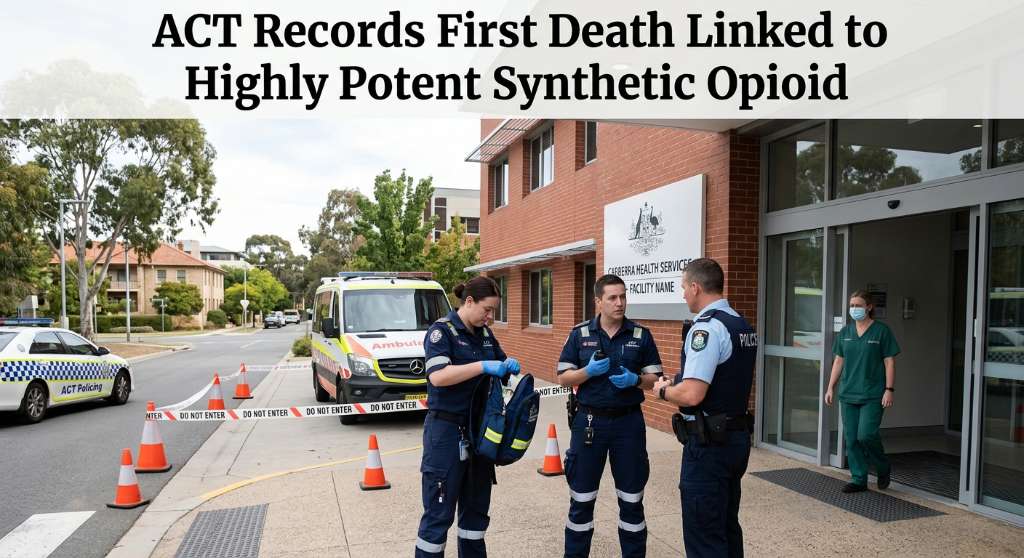
A Canberra woman has become the first person in the ACT whose death has been linked to a highly potent synthetic opioid, prompting renewed concern about...
Queensland firefighters spent several hours monitoring a significant grass fire at Mary Kinross Park in Bargara, near Bundaberg, after the blaze broke out on Wednesday evening....
New funding from local charity Wishlist is improving communication support for patients at Bundaberg Hospital, with resources designed to help people communicate more effectivel...
Favourable weather, active fish species and improving coastal conditions have combined to deliver productive fishing opportunities across the Bundaberg...
Cairns Regional Council has unanimously voted to seek $400,000 in Queensland Government funding for a program designed to connect local businesses with the region’s growing film...
Queensland firefighters spent several hours monitoring a significant grass fire at Mary Kinross Park in Bargara, near Bundaberg, after the blaze broke out on Wednesday evening....
New funding from local charity Wishlist is improving communication support for patients at Bundaberg Hospital, with resources designed to help people communicate more effectivel...
The Gold Coast is set to build excitement for one of Queensland’s biggest annual sporting events, with Supercars announcing a free community launch event ahead of the 2026 Boost...
Cairns Regional Council has unanimously voted to seek $400,000 in Queensland Government funding for a program designed to connect local businesses with the region’s growing film...
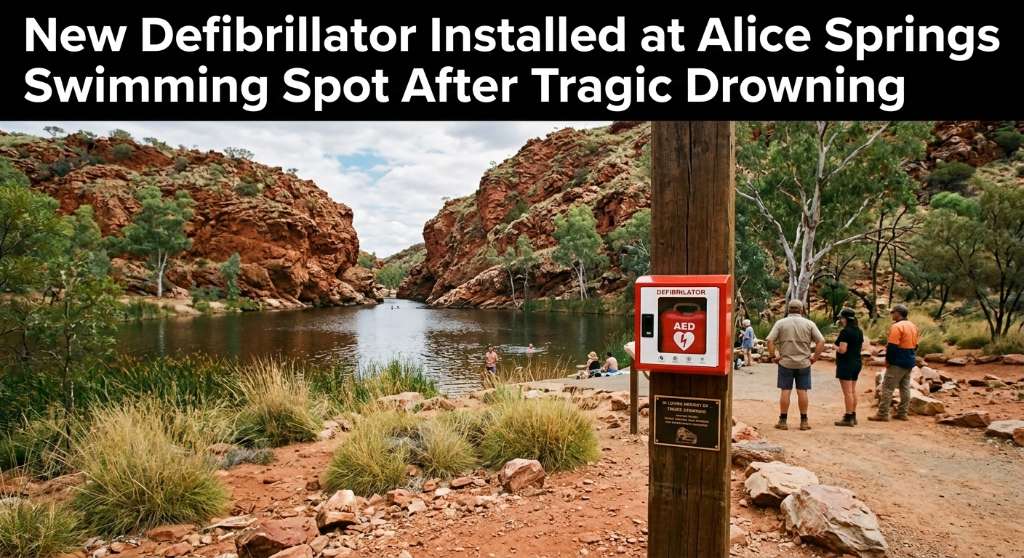
An automated external defibrillator and memorial plaque have been installed at Ellery Creek Big Hole following the death of disability advocate Ellen Fr...
Queensland firefighters spent several hours monitoring a significant grass fire at Mary Kinross Park in Bargara, near Bundaberg, after the blaze broke out on Wednesday evening....