Safety note: Admin approval is an initial review, not a guarantee that every detail is correct. Check important or urgent claims with official sources and report anything inaccurate or unsafe.
Source and credit: Contributor's own report
Coroner Calls for Mandatory Medical Certificates for Learner Drivers After Triple Fatal Crash - Mount Gambier, SA
Smart summary
A South Australian coroner has recommended first-time learner drivers obtain medical clearance before receiving a permit following a crash that claimed the lives of three family members near Mount Gambier.
A South Australian coroner has recommended significant changes to the state's learner driver licensing process after an inquest into a devastating 2020 crash that killed three members of the same family. The recommendation follows an investigation into a head-on collision at Suttontown, near Mount Gambier, which claimed the lives of Ned Walker, 80, Nan Walker, 70, and their daughter Sue Skeer, 55.
The fatal crash occurred on the Princes Highway in November 2020 when a Toyota Land Cruiser driven by a 16-year-old learner driver crossed into the path of the family's Ford Territory. Evidence presented during the inquest found the teenager had momentarily lost concentration, causing his vehicle to drift into the wrong lane. As Nan Walker attempted to avoid a collision by steering away, the learner driver corrected back into his lane, resulting in a head-on crash that killed all three family members instantly.
Deputy State Coroner Naomi Kereru examined whether the teenager's medical history should have been disclosed when he applied for his learner's permit. The inquest heard the boy had been diagnosed with autism spectrum disorder, ADHD, Tourette syndrome, developmental delays and behavioural issues. However, none of these conditions were disclosed on his learner permit application. The teenager and his mother believed the conditions did not affect his ability to drive and therefore did not require reporting.
In her findings, Ms Kereru concluded that relying on applicants to self-report medical conditions creates risks and may discourage full disclosure. She said the current application process could lead some applicants to omit medical information if they believe it may negatively affect their chances of obtaining a licence. As a result, she recommended that all first-time learner permit applicants be required to obtain a medical certificate from a doctor addressing the health-related questions contained in licence applications. The certificate would then be submitted directly to licensing authorities.
The coroner found that if the teenager's medical conditions had been disclosed, the Registrar of Motor Vehicles would likely have required additional medical and driving assessments before granting a licence. However, she acknowledged it remains unclear whether those assessments would have prevented the teenager from obtaining a learner's permit.
During the inquest, evidence showed the teenager's mother believed her son was a capable and responsible driver based on his experience driving on the family farm. The coroner accepted that she acted in good faith but stated that independent medical advice should have been sought rather than relying solely on personal judgment.
The recommendation has prompted consideration by the South Australian Government. Premier Peter Malinauskas described the crash as a heartbreaking tragedy, while Transport Minister Joe Szakacs said the government would carefully review the coroner's findings and examine how other Australian jurisdictions handle medical assessments for learner drivers.
The case has reignited discussion about road safety, medical disclosure requirements and the balance between supporting people with medical conditions and ensuring public safety. The Walker family's deaths remain one of South Australia's most tragic road incidents in recent years, and the coroner hopes the proposed reforms will reduce the risk of similar tragedies in the future.
MedicalLearnerCoronerTeenagerConditions
A South Australian coroner has recommended significant changes to the state's learner driver licensing process after an inquest into a devastating 2020 crash that killed three members of the same family. The recommendation follows an investigation into a head-on collision at Suttontown, near Mount Gambier, which claimed the lives of Ned Walker, 80, Nan Walker, 70, and their daughter Sue Skeer, 55.
The fatal crash occurred on the Princes Highway in November 2020 when a Toyota Land Cruiser driven by a 16-year-old learner driver crossed into the path of the family's Ford Territory. Evidence presented during the inquest found the teenager had momentarily lost concentration, causing his vehicle to drift into the wrong lane. As Nan Walker attempted to avoid a collision by steering away, the learner driver corrected back into his lane, resulting in a head-on crash that killed all three family members instantly.
Deputy State Coroner Naomi Kereru examined whether the teenager's medical history should have been disclosed when he applied for his learner's permit. The inquest heard the boy had been diagnosed with autism spectrum disorder, ADHD, Tourette syndrome, developmental delays and behavioural issues. However, none of these conditions were disclosed on his learner permit application. The teenager and his mother believed the conditions did not affect his ability to drive and therefore did not require reporting.
In her findings, Ms Kereru concluded that relying on applicants to self-report medical conditions creates risks and may discourage full disclosure. She said the current application process could lead some applicants to omit medical information if they believe it may negatively affect their chances of obtaining a licence. As a result, she recommended that all first-time learner permit applicants be required to obtain a medical certificate from a doctor addressing the health-related questions contained in licence applications. The certificate would then be submitted directly to licensing authorities.
The coroner found that if the teenager's medical conditions had been disclosed, the Registrar of Motor Vehicles would likely have required additional medical and driving assessments before granting a licence. However, she acknowledged it remains unclear whether those assessments would have prevented the teenager from obtaining a learner's permit.
During the inquest, evidence showed the teenager's mother believed her son was a capable and responsible driver based on his experience driving on the family farm. The coroner accepted that she acted in good faith but stated that independent medical advice should have been sought rather than relying solely on personal judgment.
The recommendation has prompted consideration by the South Australian Government. Premier Peter Malinauskas described the crash as a heartbreaking tragedy, while Transport Minister Joe Szakacs said the government would carefully review the coroner's findings and examine how other Australian jurisdictions handle medical assessments for learner drivers.
The case has reignited discussion about road safety, medical disclosure requirements and the balance between supporting people with medical conditions and ensuring public safety. The Walker family's deaths remain one of South Australia's most tragic road incidents in recent years, and the coroner hopes the proposed reforms will reduce the risk of similar tragedies in the future.
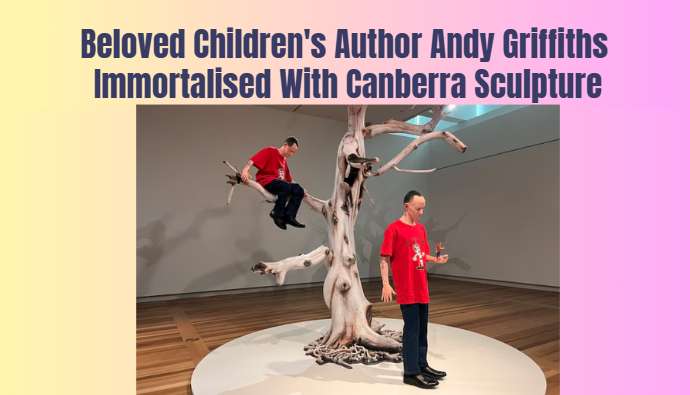
A four-metre-high 3D-printed sculpture celebrating Australian children's author Andy Griffiths has gone on display at Canberra's National Portrait Gallery.
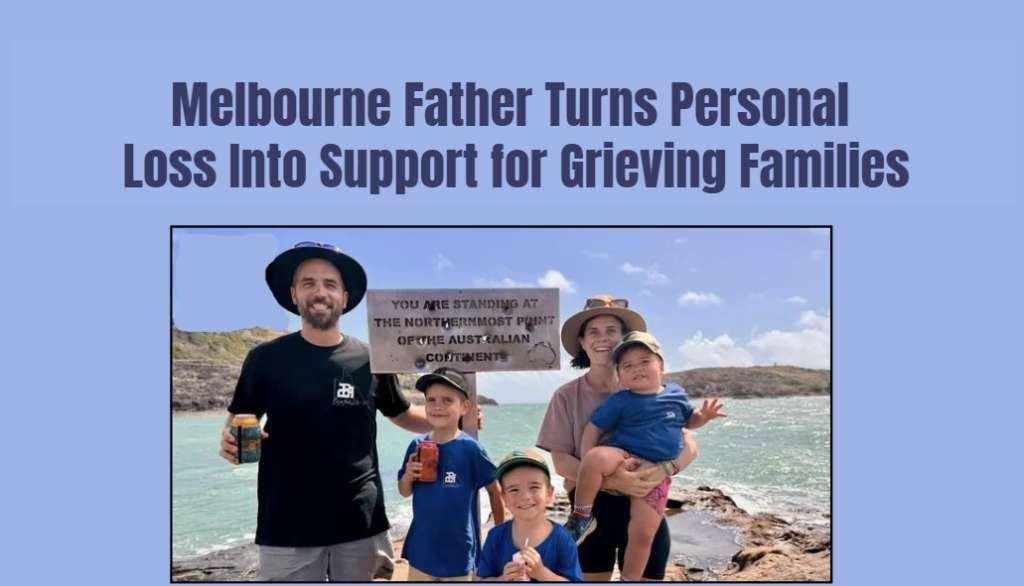
After losing two sons, Melbourne father Nick Olney has established a charity helping grieving parents preserve memories of their babies and access suppo...
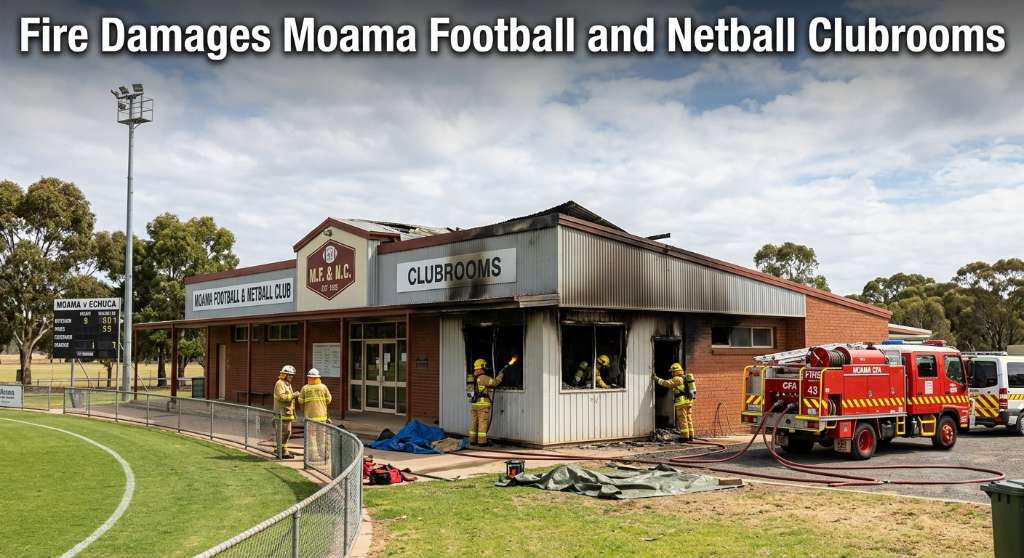
A fire damaged the Moama Football and Netball Club's social rooms during Saturday's grand final, forcing about 1,000 people to leave the building becaus...
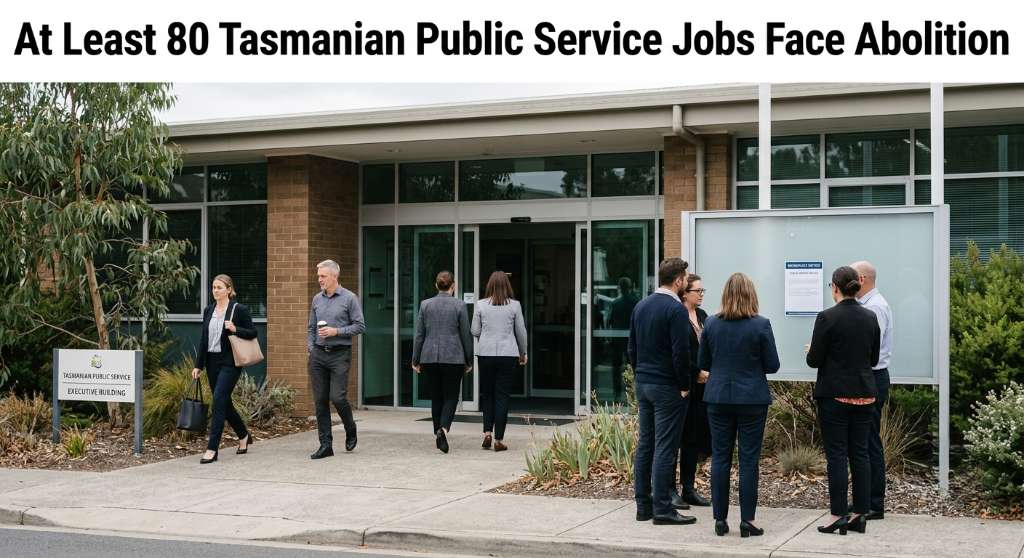
At least 80 positions have been identified for abolition as Tasmania restructures parts of its public service and works toward a broader reduction in go...
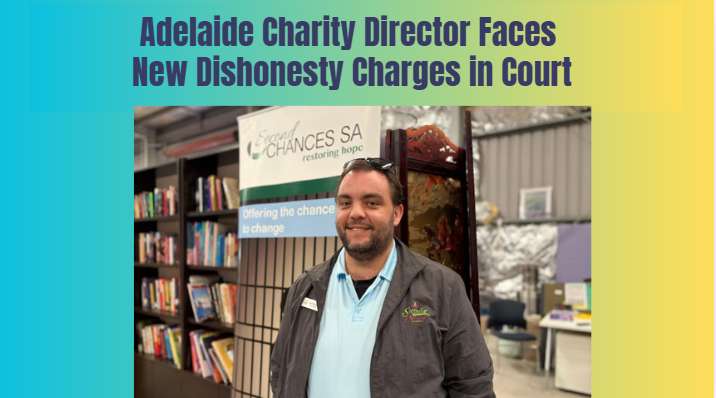
Second Chances charity director Samuel Mark Narroway has appeared before an Adelaide-area court over contested charges involving alleged dishonest deali...
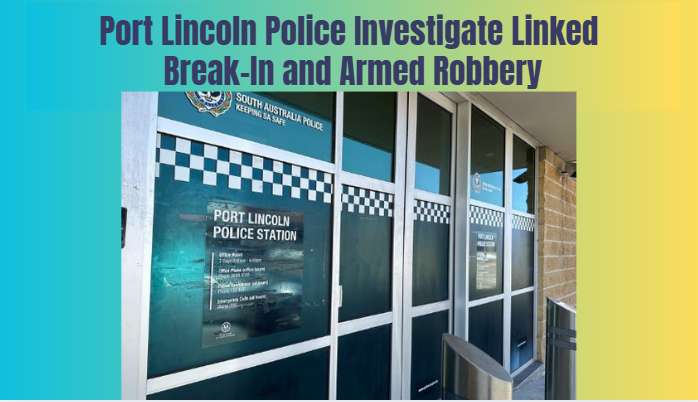
Police are investigating two early-morning incidents at a Port Lincoln business and service station after a man allegedly broke into a store and later t...
A 50-year-old man has died after being struck by a vehicle in Fernvale, west of Brisbane, with police launching a homicide investigation and arresting a...
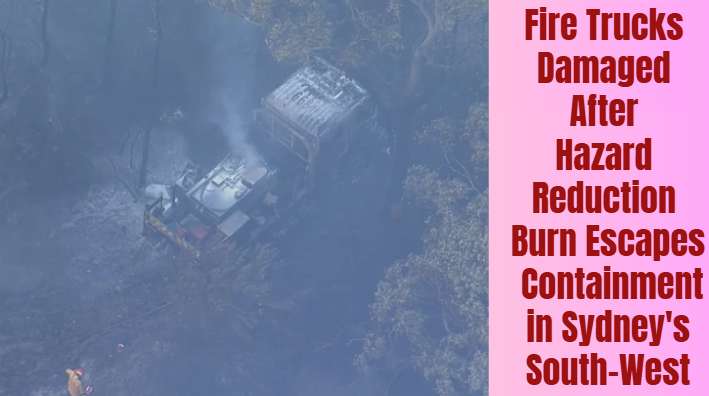
Multiple Rural Fire Service trucks were damaged after a planned hazard reduction burn at Wedderburn in Sydney's south-west escaped containment on Saturday.
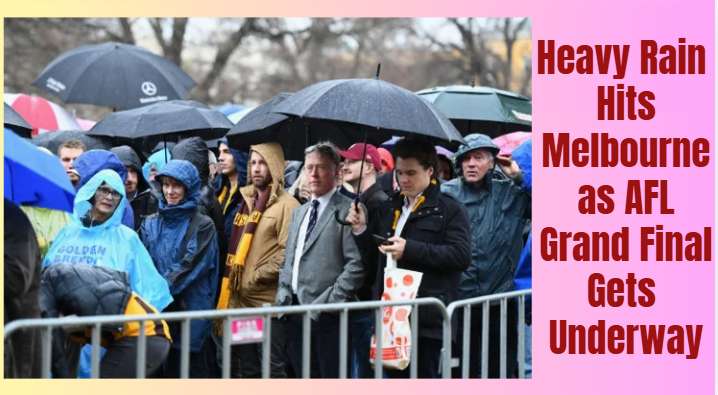
Wet conditions at the Melbourne Cricket Ground are creating difficult conditions for the AFL Grand Final, while poor weather has also disrupted flights...
Amateur astronomers are using new telescope technology to photograph the Moon, planets and distant galaxies from Brisbane homes, showing that city skies...