Coroner Finds Major Failures in Josh Warneke Investigation, Refers Matter to dpp
By Neha · Published 16 Jun 2026 · Updated 16 Jun 2026
Broome, WA · Western Australia News
Safety note: Admin approval is an initial review, not a guarantee that every detail is correct. Check important or urgent claims with official sources and report anything inaccurate or unsafe.
Source and credit: Contributor's own report
Coroner Finds Major Failures in Josh Warneke Investigation, Refers Matter to DPP - Broome, WA
Smart summary
Sixteen years after Broome man Josh Warneke was found dying by the roadside, a coroner has ruled his death was likely an unlawful homicide and identified serious shortcomings in the origi...
A Western Australian coroner has delivered a damning assessment of the original police investigation into the death of Broome man Joshua "Josh" Warneke, finding that multiple investigative failures likely resulted in the loss of crucial evidence and hindered efforts to identify those responsible for his death.
Handing down her findings on Monday, State Coroner Rosalinda Fogliani concluded that the 21-year-old was most likely the victim of an unlawful homicide, rather than a road accident as had initially been considered by investigators. The matter has now been referred to the Director of Public Prosecutions (DPP) for further consideration.
Josh Warneke was found seriously injured on Old Broome Road in Broome, Western Australia, during the early hours of 26 February 2010. A taxi driver discovered him lying partially on the roadway shortly after 3am. Despite emergency efforts, he died from catastrophic head injuries.
Over the years, the case attracted national attention following the wrongful conviction of Gene Gibson, a cognitively impaired Aboriginal man from the remote community of Kiwirrkurra. Gibson spent almost five years in prison after pleading guilty to manslaughter before the conviction was quashed in 2017. Subsequent investigations found that police interviews conducted with Gibson had been deeply flawed and failed to account for his language difficulties and vulnerabilities.
During the coronial inquest, Coroner Fogliani found there was no evidence supporting the theory that Warneke had been struck by a vehicle. Instead, she determined that his injuries were consistent with blunt force trauma inflicted with a weapon, indicating that he had likely been unlawfully killed.
The coroner identified several failures in the original police response. These included inadequate preservation of the crime scene, missed forensic opportunities and shortcomings in the handling of vulnerable witnesses. She noted that some investigative decisions may have compromised important evidence that could have assisted in identifying those responsible for Josh's death.
Despite extensive investigations spanning more than a decade, the coroner was unable to determine who caused Warneke's fatal injuries. However, she expressed hope that advances in investigative techniques and ongoing efforts by authorities may eventually provide answers.
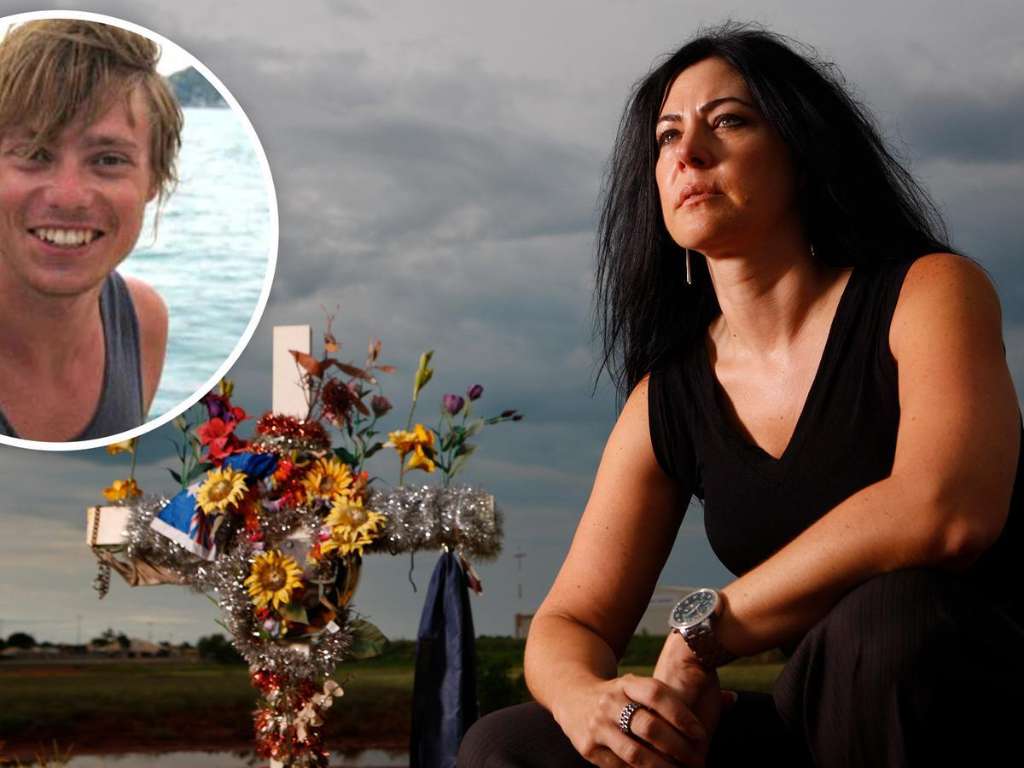
Throughout the lengthy pursuit of justice, Josh's mother, Ingrid Bishop, has campaigned tirelessly to uncover the truth surrounding her son's death. Coroner Fogliani praised Bishop's determination and dignity, acknowledging her unwavering commitment to ensuring that questions surrounding Josh's death were not forgotten.
The findings represent a significant development in one of Western Australia's most troubling unsolved cases. While the referral to the DPP does not guarantee future prosecutions, it provides investigators with another opportunity to reassess the available evidence and consider whether further legal action is possible.
More than sixteen years after Josh Warneke lost his life, his family continues to seek the answers that have long remained out of reach.
CoronerJoshWarnekeBeenDeath
A Western Australian coroner has delivered a damning assessment of the original police investigation into the death of Broome man Joshua "Josh" Warneke, finding that multiple investigative failures likely resulted in the loss of crucial evidence and hindered efforts to identify those responsible for his death.
Handing down her findings on Monday, State Coroner Rosalinda Fogliani concluded that the 21-year-old was most likely the victim of an unlawful homicide, rather than a road accident as had initially been considered by investigators. The matter has now been referred to the Director of Public Prosecutions (DPP) for further consideration.
Josh Warneke was found seriously injured on Old Broome Road in Broome, Western Australia, during the early hours of 26 February 2010. A taxi driver discovered him lying partially on the roadway shortly after 3am. Despite emergency efforts, he died from catastrophic head injuries.
Over the years, the case attracted national attention following the wrongful conviction of Gene Gibson, a cognitively impaired Aboriginal man from the remote community of Kiwirrkurra. Gibson spent almost five years in prison after pleading guilty to manslaughter before the conviction was quashed in 2017. Subsequent investigations found that police interviews conducted with Gibson had been deeply flawed and failed to account for his language difficulties and vulnerabilities.
During the coronial inquest, Coroner Fogliani found there was no evidence supporting the theory that Warneke had been struck by a vehicle. Instead, she determined that his injuries were consistent with blunt force trauma inflicted with a weapon, indicating that he had likely been unlawfully killed.
The coroner identified several failures in the original police response. These included inadequate preservation of the crime scene, missed forensic opportunities and shortcomings in the handling of vulnerable witnesses. She noted that some investigative decisions may have compromised important evidence that could have assisted in identifying those responsible for Josh's death.
Despite extensive investigations spanning more than a decade, the coroner was unable to determine who caused Warneke's fatal injuries. However, she expressed hope that advances in investigative techniques and ongoing efforts by authorities may eventually provide answers.
Throughout the lengthy pursuit of justice, Josh's mother, Ingrid Bishop, has campaigned tirelessly to uncover the truth surrounding her son's death. Coroner Fogliani praised Bishop's determination and dignity, acknowledging her unwavering commitment to ensuring that questions surrounding Josh's death were not forgotten.
The findings represent a significant development in one of Western Australia's most troubling unsolved cases. While the referral to the DPP does not guarantee future prosecutions, it provides investigators with another opportunity to reassess the available evidence and consider whether further legal action is possible.
More than sixteen years after Josh Warneke lost his life, his family continues to seek the answers that have long remained out of reach.
A 21-year-old Bendigo man, Adrian Turnbull, has been sentenced to a maximum of four years and eight months in prison after pleading guilty to a series of offences committed acro...
Wagga Wagga New South Wales · Crime News · 17 Sep 2026
Riverina Police have established a specialised task force in Wagga Wagga to investigate a series of aggravated break-and-enter offences, home invasions and firearm-related incid...
Five-Year Sentence for Albury Police Siege A 36-year-old man, Stephen Bates, has been sentenced to five years in prison following a serious confrontation with police in Lavingto...
A 36-year-old man has been charged after investigators allegedly found fraudulent identification documents, cloned number plates, cash and drug-manufact...
Two teenagers have appeared in a Perth court after allegedly breaking into a crocodile enclosure and attacking the 400-kilogram reptile with a metal pole.
Cairns Regional Council has unanimously voted to seek $400,000 in Queensland Government funding for a program designed to connect local businesses with the region’s growing film...
An automated external defibrillator and memorial plaque have been installed at Ellery Creek Big Hole following the death of disability advocate Ellen Fr...
Queensland firefighters spent several hours monitoring a significant grass fire at Mary Kinross Park in Bargara, near Bundaberg, after the blaze broke out on Wednesday evening....