Safety note: Admin approval is an initial review, not a guarantee that every detail is correct. Check important or urgent claims with official sources and report anything inaccurate or unsafe.
Source and credit: Contributor's own report
DNA evidence links man to Orange grow house as court imposes jail sentence - Orange, NSW
Smart summary
A man has been jailed after DNA evidence connected him to a cannabis grow house discovered in the Orange region, with police investigations uncovering his involvement in the illegal operation.
A man has been sentenced to jail after investigators used DNA evidence to link him to an illegal cannabis cultivation operation in the Orange district of New South Wales. The case was heard in Orange District Court, where the court considered evidence connecting the accused to a grow house used for cultivating prohibited plants.
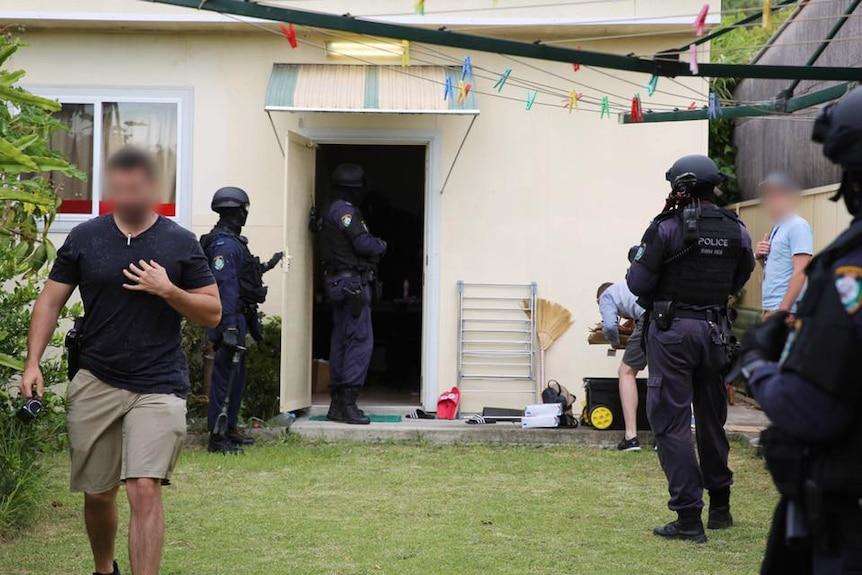
The investigation began after police discovered a cannabis grow house containing equipment and materials associated with an indoor cultivation setup. During the investigation, forensic testing identified DNA evidence that linked the man to the property and supported the prosecution case.
DNA evidence has become an increasingly important tool in criminal investigations, helping police identify people connected to crime scenes, even when other evidence may be limited. Forensic analysis can compare biological material collected during investigations and provide links between individuals and locations.
The court heard that the grow house operation involved equipment commonly associated with cannabis cultivation, including specialised growing materials and systems designed to support plant growth indoors. Authorities continue to target illegal drug production because such operations can create risks for surrounding communities, including fire hazards, electrical dangers and organised crime connections.
During sentencing, the court considered the evidence presented by prosecutors, including the DNA connection between the accused and the illegal cultivation site. The judge imposed a custodial sentence, meaning the offender will spend time in prison as a result of the offence.
Police across regional NSW continue to investigate drug supply networks and illegal cultivation operations. Grow houses are often detected through community reports, intelligence gathering and targeted investigations.
Authorities have warned that illegal cannabis cultivation can involve significant safety risks. Indoor growing operations frequently require modified electrical systems, heating equipment and high-powered lighting, which can increase the risk of fires and property damage.
The case highlights the growing role of forensic science in solving crimes and supporting prosecutions. DNA testing allows investigators to establish connections between people, places and objects, strengthening evidence presented in court.
The Orange District Court matter demonstrates how advances in forensic technology are assisting police in regional communities. Investigators continue to use scientific methods alongside traditional policing techniques to identify offenders and disrupt illegal activities.
The accused was sentenced after the court accepted the prosecution evidence linking him to the grow house operation. The decision reinforces that illegal drug cultivation offences can result in significant penalties under NSW law.
Police have encouraged members of the public to report suspicious activity related to drug production, including unusual electrical activity, strong odours, excessive security measures or properties showing signs of possible illegal cultivation.
The investigation and sentencing form part of ongoing efforts by NSW authorities to reduce drug-related crime and protect communities across regional areas.
EvidenceCourtCultivationIllegalGrow
A man has been sentenced to jail after investigators used DNA evidence to link him to an illegal cannabis cultivation operation in the Orange district of New South Wales. The case was heard in Orange District Court, where the court considered evidence connecting the accused to a grow house used for cultivating prohibited plants.
The investigation began after police discovered a cannabis grow house containing equipment and materials associated with an indoor cultivation setup. During the investigation, forensic testing identified DNA evidence that linked the man to the property and supported the prosecution case.
DNA evidence has become an increasingly important tool in criminal investigations, helping police identify people connected to crime scenes, even when other evidence may be limited. Forensic analysis can compare biological material collected during investigations and provide links between individuals and locations.
The court heard that the grow house operation involved equipment commonly associated with cannabis cultivation, including specialised growing materials and systems designed to support plant growth indoors. Authorities continue to target illegal drug production because such operations can create risks for surrounding communities, including fire hazards, electrical dangers and organised crime connections.
During sentencing, the court considered the evidence presented by prosecutors, including the DNA connection between the accused and the illegal cultivation site. The judge imposed a custodial sentence, meaning the offender will spend time in prison as a result of the offence.
Police across regional NSW continue to investigate drug supply networks and illegal cultivation operations. Grow houses are often detected through community reports, intelligence gathering and targeted investigations.
Authorities have warned that illegal cannabis cultivation can involve significant safety risks. Indoor growing operations frequently require modified electrical systems, heating equipment and high-powered lighting, which can increase the risk of fires and property damage.
The case highlights the growing role of forensic science in solving crimes and supporting prosecutions. DNA testing allows investigators to establish connections between people, places and objects, strengthening evidence presented in court.
The Orange District Court matter demonstrates how advances in forensic technology are assisting police in regional communities. Investigators continue to use scientific methods alongside traditional policing techniques to identify offenders and disrupt illegal activities.
The accused was sentenced after the court accepted the prosecution evidence linking him to the grow house operation. The decision reinforces that illegal drug cultivation offences can result in significant penalties under NSW law.
Police have encouraged members of the public to report suspicious activity related to drug production, including unusual electrical activity, strong odours, excessive security measures or properties showing signs of possible illegal cultivation.
The investigation and sentencing form part of ongoing efforts by NSW authorities to reduce drug-related crime and protect communities across regional areas.
A 21-year-old Bendigo man, Adrian Turnbull, has been sentenced to a maximum of four years and eight months in prison after pleading guilty to a series of offences committed acro...
Wagga Wagga New South Wales · Crime News · 17 Sep 2026
Riverina Police have established a specialised task force in Wagga Wagga to investigate a series of aggravated break-and-enter offences, home invasions and firearm-related incid...
Five-Year Sentence for Albury Police Siege A 36-year-old man, Stephen Bates, has been sentenced to five years in prison following a serious confrontation with police in Lavingto...
A 36-year-old man has been charged after investigators allegedly found fraudulent identification documents, cloned number plates, cash and drug-manufact...
A 36-year-old man has been charged after investigators allegedly found fraudulent identification documents, cloned number plates, cash and drug-manufact...
A Sydney court has heard that a man sent 249 messages to a former partner within 24 hours, with the messages treated as a single alleged breach of an ap...
A high-profile athlete has returned to court and told the hearing that an alleged unwanted kiss by former broadcaster Alan Jones remained difficult to f...
Work on the $150 million Sydney Town Hall Square project has been paused after the NSW Planning Minister referred the development for review by the Inde...
Cairns Regional Council has unanimously voted to seek $400,000 in Queensland Government funding for a program designed to connect local businesses with the region’s growing film...
An automated external defibrillator and memorial plaque have been installed at Ellery Creek Big Hole following the death of disability advocate Ellen Fr...
Queensland firefighters spent several hours monitoring a significant grass fire at Mary Kinross Park in Bargara, near Bundaberg, after the blaze broke out on Wednesday evening....