Safety note: Admin approval is an initial review, not a guarantee that every detail is correct. Check important or urgent claims with official sources and report anything inaccurate or unsafe.
Source and credit: Contributor's own report
Darwin Residents Urged to Conserve Water After Flooding Damages Dam Infrastructure - Darwin, NT
Smart summary
Severe flooding at Darwin River Dam disrupts water operations, leading authorities to request reduced water use across Darwin and Palmerston.
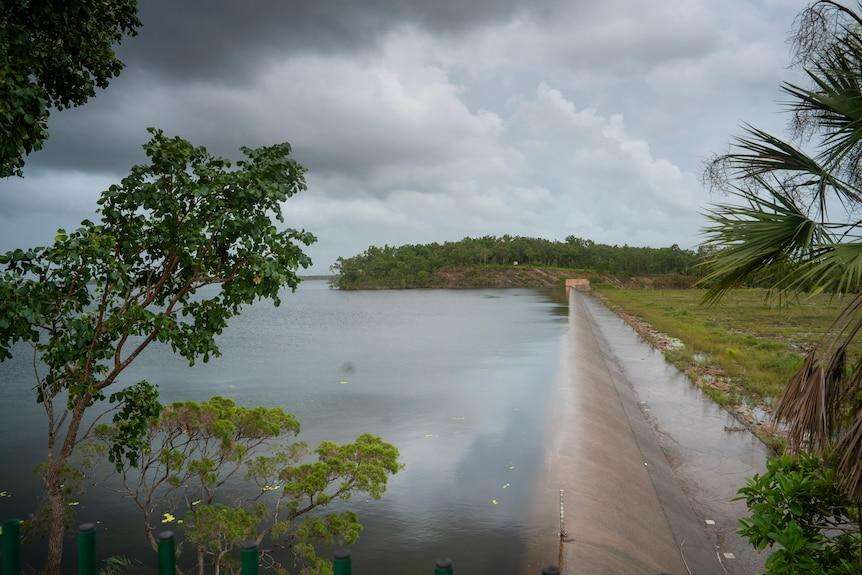
Residents in Darwin and Palmerston have been urged to conserve water after major flooding damaged critical infrastructure at Darwin River Dam, the city's primary water supply source. The disruption forced authorities to introduce emergency measures while repair crews worked to restore normal water operations.
The issue developed after heavy rainfall and flooding across the Northern Territory caused significant pressure on the Darwin River Dam system. The dam experienced extremely high water levels during the wet season, with floodwaters affecting pumping equipment needed to deliver water to homes, businesses, and public facilities throughout the Darwin region.
Power and Water Corporation teams began emergency repair work to stabilise the supply network. Authorities relied on backup systems and alternative water sources while engineers assessed the damage and worked to bring damaged pumps back into operation.
Residents were advised to reduce unnecessary water usage and focus on essential activities until the system was fully restored. People were encouraged to avoid activities such as excessive garden watering, vehicle washing, and other non-essential water consumption to help maintain supply levels.
A precautionary boil water alert was also issued for Darwin and Palmerston after changes were made to the water supply system. Residents were advised to boil tap water before drinking, cooking, preparing food, making baby formula, or brushing teeth until authorities confirmed the water was safe.
Officials said repair teams were working continuously to restore pumping capacity and improve the reliability of the water network. Additional equipment and emergency resources were deployed to reduce the impact on residents and ensure that essential services continued operating.
The flooding event highlighted the challenges faced by Northern Territory communities during periods of extreme weather. While Darwin’s water infrastructure is designed to manage seasonal rainfall, the intensity of the flooding created unexpected difficulties for key supply systems.
Authorities continued monitoring water levels, infrastructure conditions, and community demand while providing updates to residents. They thanked the public for cooperating with conservation requests and following safety advice during the emergency situation.
The incident also reinforced the importance of investing in strong and resilient infrastructure capable of handling increasingly unpredictable weather events. As climate conditions continue to change, communities across Australia are focusing on improving water security, emergency response systems, and long-term planning.
Residents were encouraged to stay informed through official updates and continue using water responsibly until normal supply conditions returned.
WaterDarwinResidentsWereSupply
Residents in Darwin and Palmerston have been urged to conserve water after major flooding damaged critical infrastructure at Darwin River Dam, the city's primary water supply source. The disruption forced authorities to introduce emergency measures while repair crews worked to restore normal water operations.
The issue developed after heavy rainfall and flooding across the Northern Territory caused significant pressure on the Darwin River Dam system. The dam experienced extremely high water levels during the wet season, with floodwaters affecting pumping equipment needed to deliver water to homes, businesses, and public facilities throughout the Darwin region.
Power and Water Corporation teams began emergency repair work to stabilise the supply network. Authorities relied on backup systems and alternative water sources while engineers assessed the damage and worked to bring damaged pumps back into operation.
Residents were advised to reduce unnecessary water usage and focus on essential activities until the system was fully restored. People were encouraged to avoid activities such as excessive garden watering, vehicle washing, and other non-essential water consumption to help maintain supply levels.
A precautionary boil water alert was also issued for Darwin and Palmerston after changes were made to the water supply system. Residents were advised to boil tap water before drinking, cooking, preparing food, making baby formula, or brushing teeth until authorities confirmed the water was safe.
Officials said repair teams were working continuously to restore pumping capacity and improve the reliability of the water network. Additional equipment and emergency resources were deployed to reduce the impact on residents and ensure that essential services continued operating.
The flooding event highlighted the challenges faced by Northern Territory communities during periods of extreme weather. While Darwin’s water infrastructure is designed to manage seasonal rainfall, the intensity of the flooding created unexpected difficulties for key supply systems.
Authorities continued monitoring water levels, infrastructure conditions, and community demand while providing updates to residents. They thanked the public for cooperating with conservation requests and following safety advice during the emergency situation.
The incident also reinforced the importance of investing in strong and resilient infrastructure capable of handling increasingly unpredictable weather events. As climate conditions continue to change, communities across Australia are focusing on improving water security, emergency response systems, and long-term planning.
Residents were encouraged to stay informed through official updates and continue using water responsibly until normal supply conditions returned.
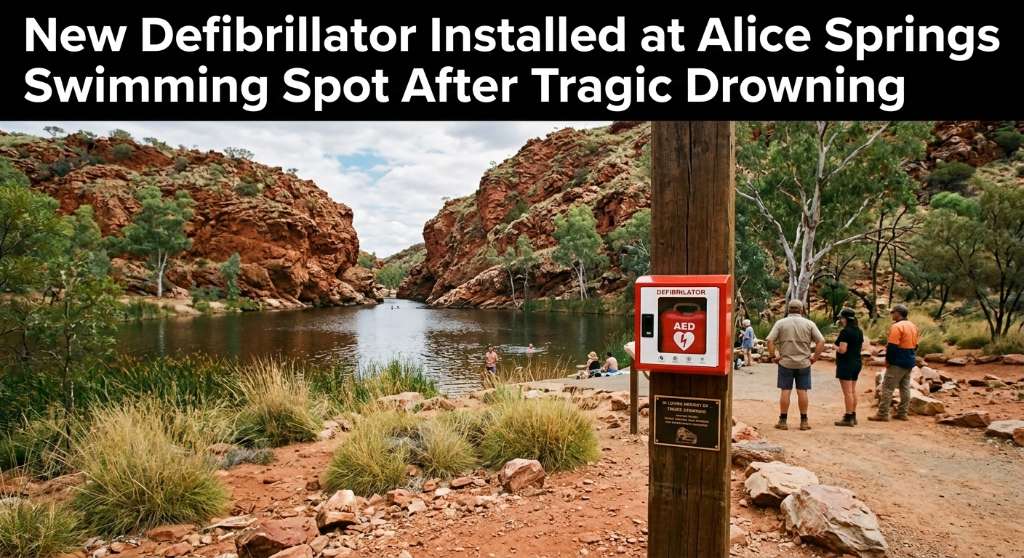
An automated external defibrillator and memorial plaque have been installed at Ellery Creek Big Hole following the death of disability advocate Ellen Fr...
Paramedics responding to an emergency in Alice Springs were forced to use a stretcher as a barricade after an armed and allegedly intoxicated group beca...
Cairns Regional Council has unanimously voted to seek $400,000 in Queensland Government funding for a program designed to connect local businesses with the region’s growing film...
An automated external defibrillator and memorial plaque have been installed at Ellery Creek Big Hole following the death of disability advocate Ellen Fr...
Queensland firefighters spent several hours monitoring a significant grass fire at Mary Kinross Park in Bargara, near Bundaberg, after the blaze broke out on Wednesday evening....